


Shadows and Screens: Yemeni Video’s Indian Journey Exposes Digital Warfare’s Reach
POLICY WIRE — New Delhi, India — The information highway, it seems, has become a relentless demolition derby, and truth often ends up as roadside debris. It’s a landscape where ancient videos...

POLICY WIRE — New Delhi, India — The information highway, it seems, has become a relentless demolition derby, and truth often ends up as roadside debris. It’s a landscape where ancient videos get recycled, narratives warp at blinding speed, and the casual scroll can inadvertently ignite societal tinderboxes. And, a recent incident—an old, gory clip from a Yemeni conflict-zone mistakenly attributed to an attack on a madrassa in India—offers a stark, unsettling postcard from this new frontier of digital warfare.
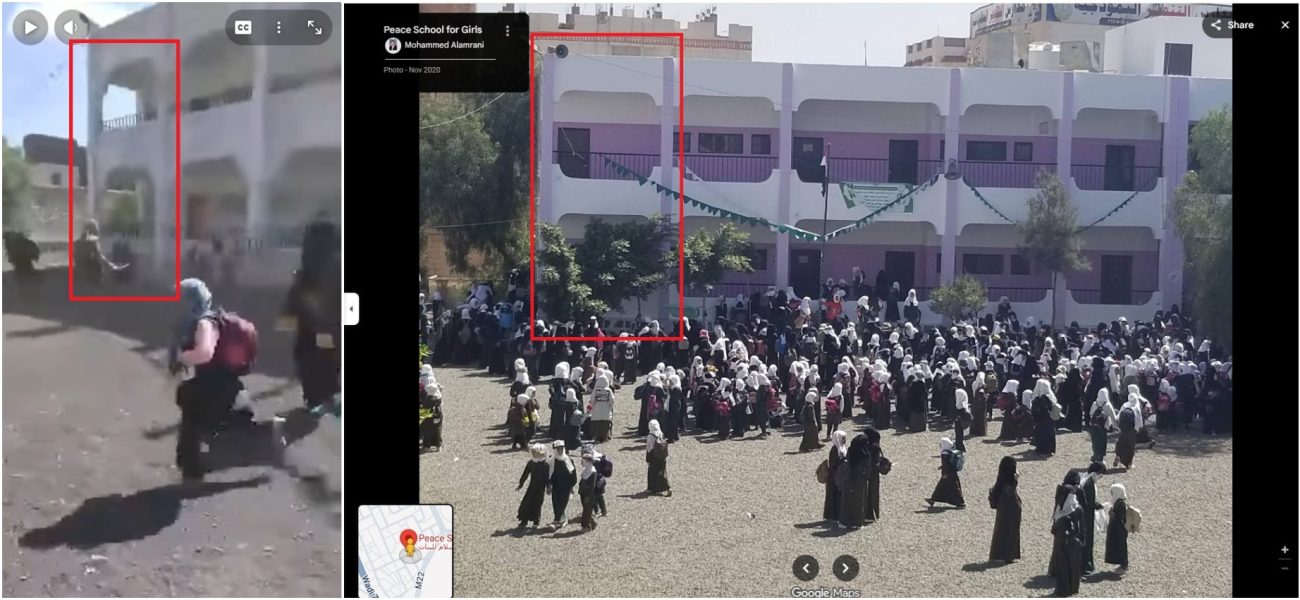
It wasn’t a sudden explosion of genuine violence on Indian soil; no, not this time. It was a carefully orchestrated ghost, a specter from another war, conjured into the Indian digital sphere to inflame. The footage, originating from a 2022 Yemeni airstrike, circulated aggressively across social media platforms, falsely captioned as an assault on a Muslim religious school in the northern Indian state of Uttar Pradesh. The goal? Obvious, really: to stir religious animosity, to sow discord where tensions often simmer just beneath the surface. Someone’s putting in work to mess with peace.
Fact-checkers, often overworked — and underappreciated digital detectives, quickly debunked the claim. They traced the video back to its source—the Houthi-controlled city of Saada in Yemen, following a coalition airstrike. But by then, the digital shrapnel had already done its work, polluting countless timelines — and minds. The damage, as ever, isn’t just about truth. It’s about trust, or the further erosion of it, within communities already strained by political and communal pressures.
“This isn’t just mischief; it’s a calculated strategy,” asserted an exasperated Spokesperson for India’s Ministry of Home Affairs, who wished not to be named directly due to the sensitive nature of ongoing investigations. “We’re witnessing sophisticated, coordinated campaigns designed to destabilize, to turn Indians against each other. It’s a national security concern, plain and simple.” His words hang heavy, a reminder of the unseen battles being fought daily in the pixelated realm.
The incident also shines a harsh light on the global trade in grievances — and fear. The ease with which conflict footage from one part of the Muslim world—Yemen, in this instance—can be co-opted and weaponized to stoke Islamophobia or communal strife elsewhere, particularly in a diverse, populous nation like India, is chilling. It’s a stark indicator of how interconnected (and vulnerable) our information ecosystems have become. Because, for every debunked lie, a dozen more sprout up.
“The speed of disinformation is frightening, almost instant, whereas the truth often takes days or weeks to gain traction,” noted Dr. Omar Khan, a Karachi-based political analyst specializing in digital security. “This asymmetry is a gift to those who seek chaos. When a genuine tragedy happens in Yemen, its echoes are deliberately warped to create division across borders, preying on existing fault lines in countries like India.” He’s right, isn’t he?
📄 POLICY WIRE WHITEPAPER PUBLISHED: PAKISTAN'S NATIONAL SECURITY POLICY PRIORITIES
👉 READ BY CLICKING HEREAccording to a recent study by Statista, approximately 61% of Indians rely on social media for their news, making the population exceptionally susceptible to the rapid spread of misinformation. That’s a staggering figure, leaving an enormous canvas for malicious actors to paint their false narratives.
What This Means
The reappearance of this Yemeni footage as an ‘Indian attack’ isn’t just a benign misunderstanding; it’s a symptom of a deeper malaise, a deliberate leveraging of existing geopolitical tensions and communal divides for political ends. Economically, this kind of manufactured unrest can spook investors, slow development, and drain state resources into managing internal security rather than fostering growth. Politically, it deepens the communal chasm, making effective governance harder and pushing policy discussions into highly polarized echo chambers. For New Delhi, managing such digital incursions becomes as complex as managing physical borders, maybe more so. It also complicates relations with other nations in the region, particularly when narratives like these are designed to paint a picture of India that serves inimical interests abroad.
The problem isn’t going away. Not with an increasingly connected populace and the ready availability of inflammatory content, particularly when digital spectacle often trumps objective truth. Governments — and social media platforms are in a perpetual, unwinnable race against the tide. Because while one video is debunked, another fabricated post or image is already circulating, ready to poison the well. It’s an endless game of whack-a-mole, with very real-world consequences for the lives — and harmony of millions.