

Bollywood of Cricket: When Spectacle Trumps Civility at the IPL
POLICY WIRE — Lucknow, India — In a nation where cricket isn’t just a sport but a fervent, near-religious devotion, the Indian Premier League (IPL) stages a mesmerizing display of athletic...

POLICY WIRE — Lucknow, India — In a nation where cricket isn’t just a sport but a fervent, near-religious devotion, the Indian Premier League (IPL) stages a mesmerizing display of athletic prowess and dazzling entertainment. It’s an intoxicating brew of star power, aggressive marketing, — and athletic heroics that regularly captivates millions. But even within this meticulously choreographed spectacle—the self-proclaimed ‘Bollywood of cricket’—sometimes, the raw, unruly undercurrents of society decide to crash the party.
Such was the uncomfortable truth that surfaced last Saturday night at Lucknow’s Ekana Cricket Stadium. Punjab Kings pulled off a compelling seven-wicket victory against Lucknow Super Giants, clinging desperately to their playoff aspirations. It was the sort of electrifying performance that fuels legends: Captain Shreyas Iyer, a young maestro, crafted his maiden IPL century, guiding his team through what felt like an impossible chase. You’d think the post-match discourse would be all about strategy, grit, — and the delicate playoff permutations.
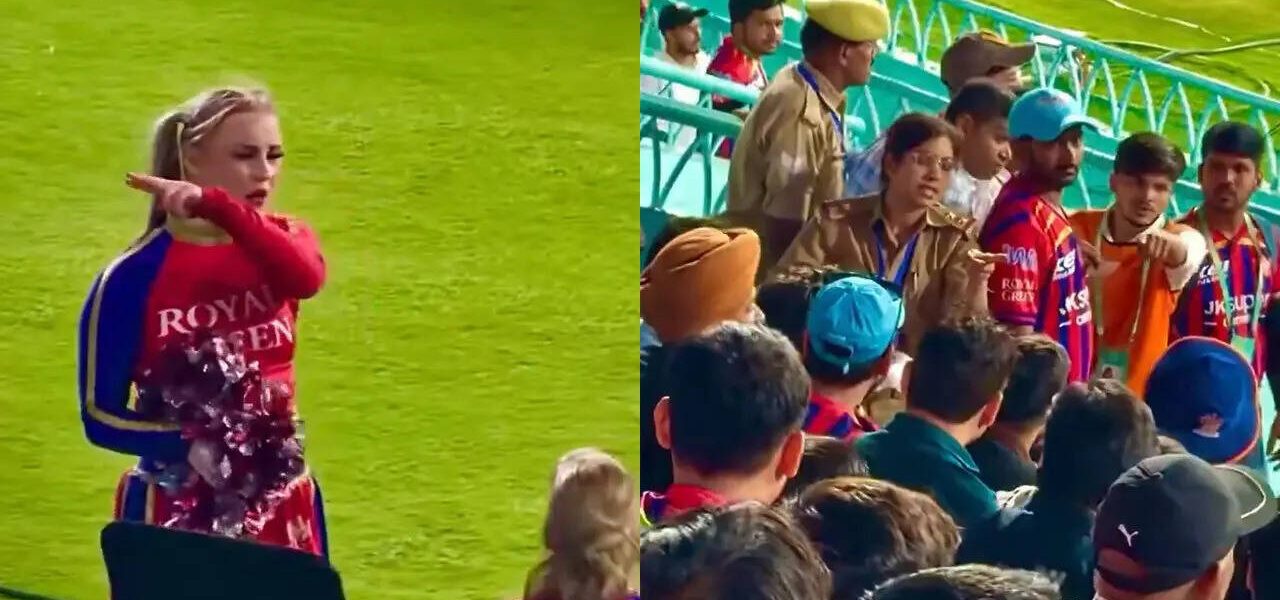
But no. Because right there, amidst the thrilling climax and the triumphant roars, a far more unsavory narrative was playing out. A contingent of fans, reportedly male, turned their attention from the pitch to the periphery, specifically towards the cheerleaders—the very individuals tasked with amplifying the celebratory atmosphere. They were, according to witnesses — and subsequent video, behaving inappropriately. Not quite the sporting ideal, is it?
Police, both male — and female officers, moved quickly, cutting short the unpleasantness. They intervened. They took action. One saw female police personnel engage directly with the alleged instigators, an image that quietly — yet profoundly — spoke volumes about the persistent challenges women face in public spaces across the subcontinent, even in heavily secured, ticketed events. It reminds you that the lines between joyous expression — and outright disrespect can, for some, be frighteningly blurry.
On the field, however, everything went to plan. Punjab Kings head coach Ricky Ponting, ever the pragmatist, wasn’t letting external distractions dim his team’s well-earned glow. “We’ve done it the hard way, let’s look at it that way. We’ve done what we needed to do today. Pretty clinical chase,” Ponting remarked after the game, showering praise on Iyer. “That’s his first IPL century tonight. We’ll sit down — and celebrate.” You couldn’t fault his focus, really. The team had a job to do, and they did it, dramatically improving their net run rate to +0.309 and staying in contention. But playoff dreams aside, these ugly interludes don’t just vanish into the stadium air.
Mr. Anil Sharma, spokesperson for the Indian Sports Ministry, expressed his disquiet in a rare public comment. “The IPL is a jewel, showcasing India’s capabilities to a global audience. But its reputation hinges not just on sixes — and wickets, but on the decorum of our spectators,” Sharma stated. “Incidents like these tarnish the hard work of thousands and contradict the very spirit of respectful competition we wish to project. There’s no room for this in our stadiums, or anywhere else for that matter.” And he’s not wrong. Because for a league with viewership figures consistently exceeding 600 million globally, as per industry estimates, such events resonate far beyond the boundary ropes.
📄 POLICY WIRE WHITEPAPER PUBLISHED: PAKISTAN'S NATIONAL SECURITY POLICY PRIORITIES
👉 READ BY CLICKING HEREWhat This Means
This incident, quickly suppressed but widely noted, isn’t an isolated flick in the pan; it’s a worrying symptom. It carries significant implications, both culturally — and economically. Politically, governments across South Asia are keenly aware of how such high-profile public events reflect on national character. India, after all, is a rising economic power, a cultural giant seeking global acknowledgment beyond its ancient heritage.
The IPL, despite its immense commercial success—a global powerhouse valued at billions of dollars—also operates within complex social terrains. The presence of female performers, like cheerleaders, in such public roles sometimes collides with more conservative elements of society, leading to these kinds of unsavoury episodes. Pakistan, for instance, faces similar cultural debates concerning women’s roles in public entertainment, albeit often without the same level of organized, secular spectacle that the IPL offers.
Economically, this is about brand reputation. Sponsors, domestic and international alike, don’t just invest in athleticism; they buy into a perceived image of vibrancy, safety, and respectability. Consistent misbehavior could make them think twice. It costs the league, — and by extension, the host nation. Public safety at massive gatherings, and the dignity afforded to all participants—especially women—becomes paramount. It’s a reminder that even when the game delivers the thrills, the crowd must maintain a certain standard of play too. Or you’re just watching glorified chaos.