


Digital Dust Bunnies: Why Your Phone’s ‘Innovation’ Might Just Be More Clutter
POLICY WIRE — ALBUQUERQUE, N.M. — It’s a familiar affliction, isn’t it? The digital hoarding. Our phones, those sleek extensions of our lives, groaning under the weight of thousands of photos,...

POLICY WIRE — ALBUQUERQUE, N.M. — It’s a familiar affliction, isn’t it? The digital hoarding. Our phones, those sleek extensions of our lives, groaning under the weight of thousands of photos, fragmented videos, and memories haphazardly tossed into an undifferentiated data void. We all do it. And then, a new application slides onto the market, promising salvation from this pixelated chaos. This week, we looked at TripMemo, one of the latest entrants into the crowded digital organization space. But sometimes, what’s marketed as a groundbreaking solution is just—well, what you’ve already got, wrapped in a slightly shinier package.
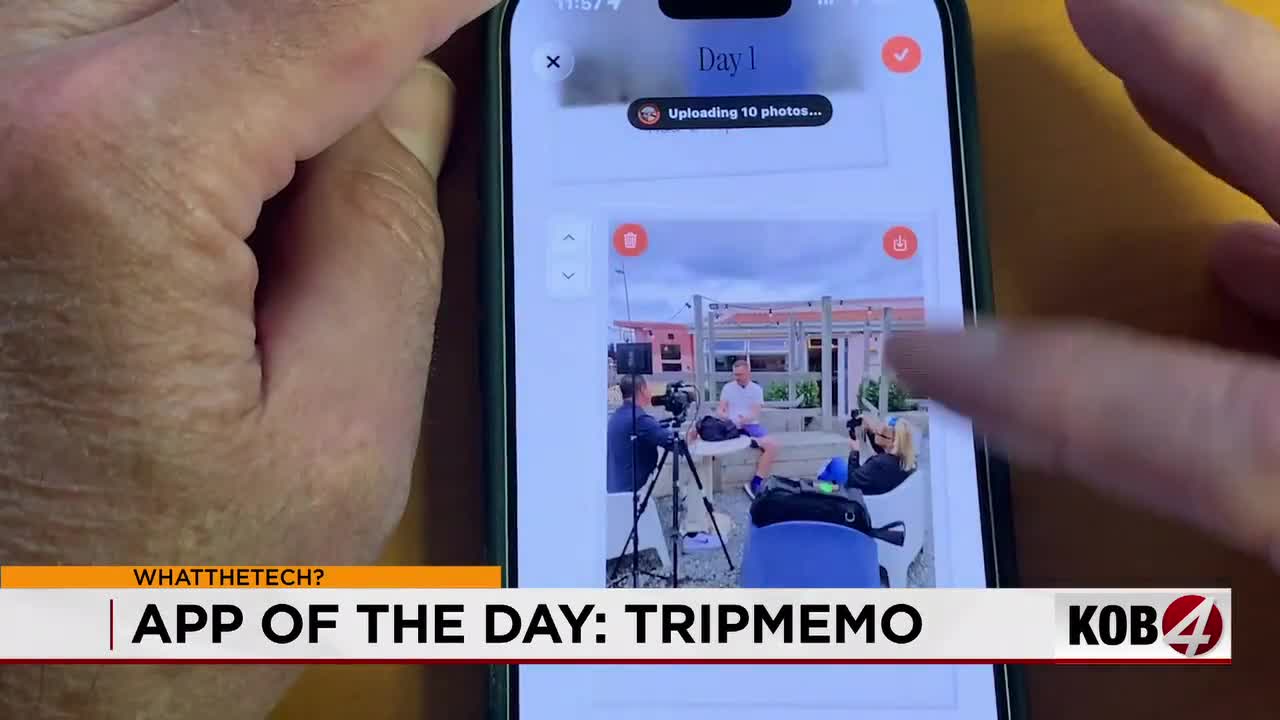
It’s not often a product review lands on our desk here at Policy Wire, but the implications of such redundant offerings are actually pretty profound. TripMemo aims to turn those scattered travel photos into a cohesive digital journal. You upload your shots. The app supposedly organizes them by date — and location. Add a caption, and boom—your travel diary’s ready. Sounds neat, right? Almost like magic.
Except, if you’re wielding a modern smartphone, you’ve probably already got this wizardry built in. Many of us don’t even realize it. Apple Photos, Google Photos—they’ve been doing this heavy lifting for years. You can search for ‘Ireland,’ and your phone instantly conjures every single photo and video from that trip, even mapping out where they were taken. It’s pretty slick, actually. And you can create slideshows, add music, and share those carefully curated albums with others, letting them chip in with their own visual chronicles.
Because, really, most people just want to find those holiday snaps, don’t they? To relive a moment. To share a sunset. Not to engage in another digital archiving project. And these integrated solutions usually handle it without a fuss. So, the question isn’t whether TripMemo can do what it promises. It’s whether it should exist when the underlying tech, provided by the device manufacturers themselves, already delivers a nearly identical user experience.
“The average consumer, frankly, is drowning in a sea of identical digital solutions,” quipped Anya Sharma, Executive Director for the Digital Rights Council, from her Geneva office. “They don’t need another app; they need an editor. Or, perhaps, a corporate strategy that prioritizes true innovation over mere market-filling. It’s disorienting, isn’t it?
This glut of applications isn’t just an inconvenience; it’s an economic quandary. For consumers, it means wading through more digital noise, downloading apps they don’t truly need, potentially exposing their data to more third parties for features already integrated into their primary operating systems. But, for a market always hungry for new, the promise of a ‘better way’ is an irresistible lure.
Take, for instance, the developing economies. In places like Pakistan, where digital literacy and robust data privacy regulations might not be as established, such apps can be presented as essential tools for organizing digital life. What might be perceived as redundant in New Mexico could be pitched as a groundbreaking efficiency tool in Lahore, given different market dynamics and existing infrastructure. They’re solving problems that, for many of us, already found a resolution, sometimes invisibly so. And that disparity shapes global consumption habits.
“Innovation isn’t always about reinventing the wheel, sometimes it’s about making it accessible, or tailoring it to a niche, however small,” stated Dr. Kareem Anwar, a prominent software venture capitalist based out of Dubai. “Markets differ. What seems redundant here might empower millions elsewhere to better manage their digital lives, bridging gaps that existing giants aren’t addressing effectively, or aren’t seen to be. It’s all about perception, often.” And he’s got a point there, a subtle one.
A recent study by Deloitte found that over 70% of smartphone users regularly delete apps because they discover duplicate functionalities or realize the app isn’t essential. It suggests a vast landscape of digital detritus consumers are forced to navigate. For these new applications to gain traction, they’ve got to offer something genuinely novel, a tangible value-add beyond just being ‘another’ way to do something you already do.
What This Means
This endless churn of ostensibly ‘new’ apps, even for seemingly innocuous functions like photo organization, hints at several significant dynamics in the tech ecosystem. Economically, it suggests a continued belief that consumers have an insatiable appetite for digital solutions, even if they’re redundant. It also highlights a certain laziness—or perhaps opportunism—in the startup world, focusing on minor iterative improvements rather than truly disruptive innovation. From a policy perspective, it brings up concerns about user education; governments and tech literacy programs probably need to do more to inform citizens about the powerful, often untapped capabilities already resident on their devices. The constant push for more downloads, especially in rapidly growing markets like those across South Asia or the Muslim world, where users might not have had extensive exposure to previous digital generations, means they’re constantly navigating a fragmented and potentially misleading digital landscape. It forces a conversation around digital citizenship — and the responsibility of developers. Also, and this shouldn’t be forgotten, every extra app installed carries a privacy implication, expanding the surface area for potential data harvesting—a critical point as global privacy regulations like GDPR become increasingly stringent, even impacting communities trying to define their identity through digital means.