


The Scrim Behind the Screen: Chelsea’s PR Gambit Stirs Broader Trust Deficit
POLICY WIRE — London, UK — It wasn’t the goal droughts, the dizzying carousel of managers, or even the eye-watering, barely-comprehensible sums lavished on transfer flops that truly grated on...

POLICY WIRE — London, UK — It wasn’t the goal droughts, the dizzying carousel of managers, or even the eye-watering, barely-comprehensible sums lavished on transfer flops that truly grated on the collective nerves in West London this week. No, it was the press release. Or, more precisely, the clumsy, self-serving timing of it all—a classic bit of corporate theater that revealed more about modern enterprise than any financial disclosure ever could.
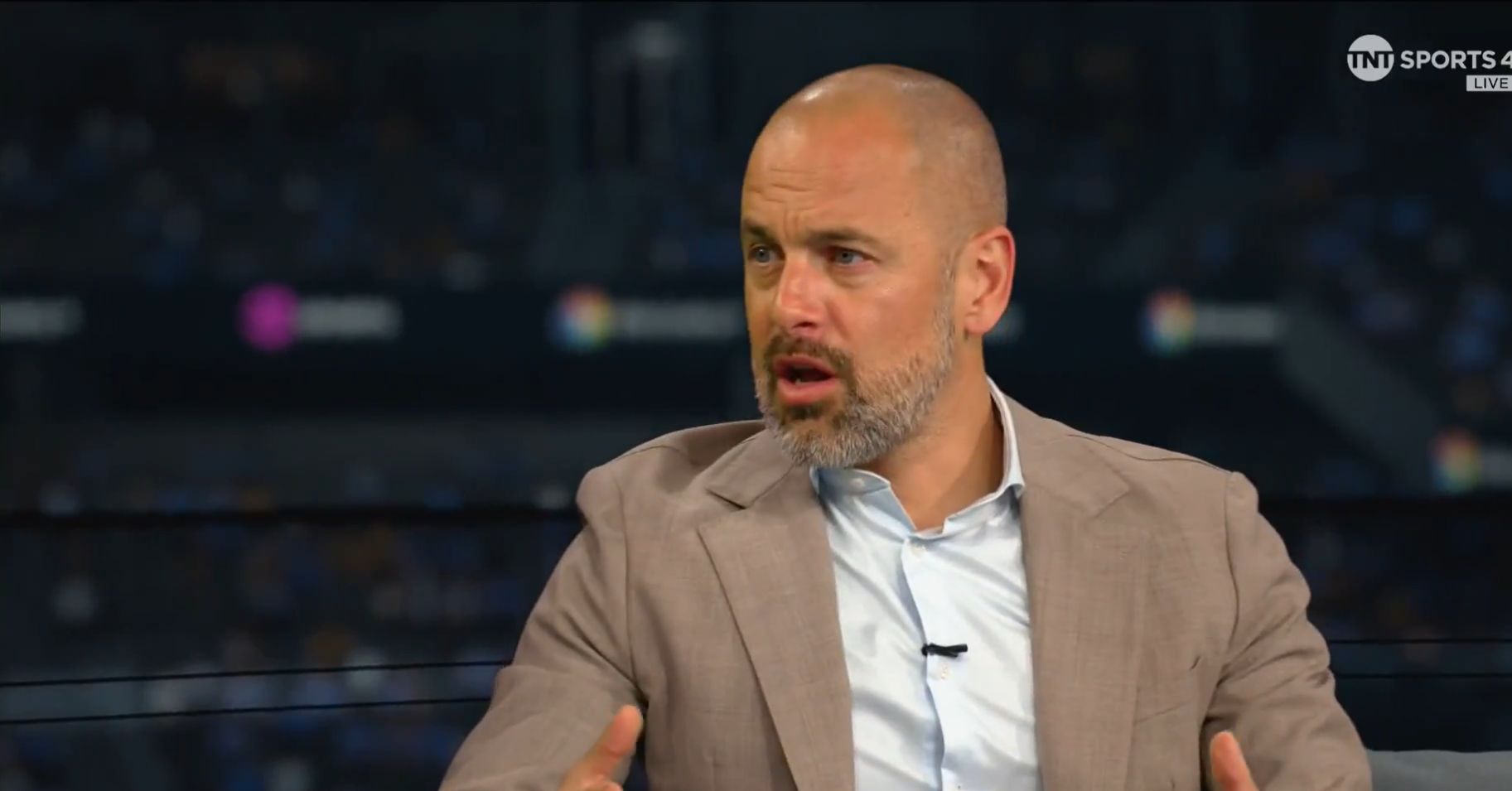
Because sometimes, it’s not the bad news that sinks you, but the ham-fisted way you try to dress it up. That’s the gist of what former Chelsea icon Joe Cole—a man who’s been around the block, and the penalty box, a few times—fired off at the club’s current ownership, BlueCo, dubbing their latest media maneuver ‘PR nonsense.’ And he isn’t wrong. It sounds like a sports kerfuffle, doesn’t it? But peel back the layers, and you’ve got a potent metaphor for public-facing corporations struggling with sincerity, control, and, ultimately, legitimacy.
Cole’s specific beef? He vented on a podcast that Chelsea’s brass allegedly leaked news of a perceived managerial coup, a supposed approach to Xabi Alonso, just as the team was still smarting from an FA Cup final defeat. A classic distraction play, perhaps. Only it didn’t distract; it infuriated. "I don’t like that PR nonsense," Cole reportedly stated, his exasperation practically leaping off the screen. "They’ve announced it half an hour before the end of the show, and that makes me cautious about the future, are they actually changing?" It’s a sentiment echoed by many across the corporate landscape, from finance to tech: a public grown wary of carefully sculpted narratives and information managed to within an inch of its life.
And let’s be frank: supporters aren’t asking for marketing wizardry. They want candor. "Fans don’t want to be PR’ed. They just want to be told we’ve made a mistake, we’ve come in, we’ve wasted a lot of money, and now this is what we do," Cole continued. It’s an indictment that resonates far beyond the hallowed turf of Stamford Bridge. You see it everywhere, this craving for authentic communication from leadership, a willingness to admit error, rather than spin a new, shinier truth.
Consider the broader context. Professional football, especially the English Premier League, is now a global juggernaut. It’s a business model built not just on local attendance, but on vast international appeal, drawing billions from broadcast rights, sponsorship, and merchandising across every continent. A 2023 report by Deloitte Football Money League pegged the Premier League’s total broadcast revenue at nearly £3.5 billion, with a significant chunk of that generated from avid viewership in markets stretching from the Gulf States to South Asia. The fervent loyalties of fans in places like Karachi and Lahore are real economic drivers; their passion translates directly into significant disposable income flowing into the league’s coffers.
So, when ownership groups — particularly those from an increasingly opaque, financially engineered world — alienate their domestic base with perceived patronizing PR, it’s not just a local dust-up. It’s a risk to a global brand, a tremor that reverberates through those international fan communities who’ve invested their emotional energy and cash. "This kind of perceived spin, whether in football or high finance, simply erodes public trust over time. Consumers — or in this case, supporters — aren’t naive; they can sense insincerity a mile off," noted Dr. Anya Sharma, Director of Corporate Governance Studies at the London School of Economics, during a recent Policy Wire roundtable.
But the problem might even go deeper than just clumsy communications. When multi-billion dollar enterprises begin to confuse their PR strategies with genuine policy, we’ve got trouble. "Global entities operating on UK soil have obligations that go well beyond quarterly profits," explained Sir Reginald Hayes, Senior Policy Advisor for the UK Institute for Public Policy Research. "When you command the kind of immense cultural and emotional investment we see in professional sports, public transparency and respect for the fanbase aren’t merely good business practice. They’re a moral imperative." And, let’s not forget, good PR begins with solid policy, not with a belated attempt to paper over the cracks of bad decisions.
It’s this corporate hubris—this belief that carefully curated soundbites can trump felt reality—that fuels widespread skepticism. BlueCo, like many global conglomerates, operates under a microscope; its every move scrutinized by stakeholders ranging from season ticket holders to distant investors in Dubai. And yet, they still trot out the same old tricks. It makes you wonder, doesn’t it?
What This Means
The kerfuffle at Chelsea, while ostensibly about football, illuminates broader anxieties concerning corporate governance and the public’s dwindling tolerance for obfuscation. It highlights a widening chasm between an increasingly savvy, globally connected consumer base and corporate entities often insulated by wealth and advisors. When institutions like a major football club fail to connect genuinely with their core constituency, the repercussions can ripple outwards, impacting everything from brand loyalty to market perception. For policymakers, it flags the growing importance of transparent leadership in sectors with significant public interest and emotional capital. Failure to adapt to this demand for authenticity risks not just alienated fans, but a generalized erosion of trust in the institutions that shape our cultural and economic landscapes. The global audience, from Manchester to Marrakesh, watches. And they don’t like being played for fools. It’s a sentiment that global enterprises, with their intricate ties to international markets—especially Britain’s own ‘perplexing optimism’ in navigating a post-Brexit world—would do well to heed.