
Germany’s Industrial Pulse Quickens, But Europe’s Breath Stays Shallow
POLICY WIRE — Berlin, Germany — Forget the champagne, this feels more like a quiet sigh of relief. While Europe’s economic titans have spent the better part of the year treading water,...

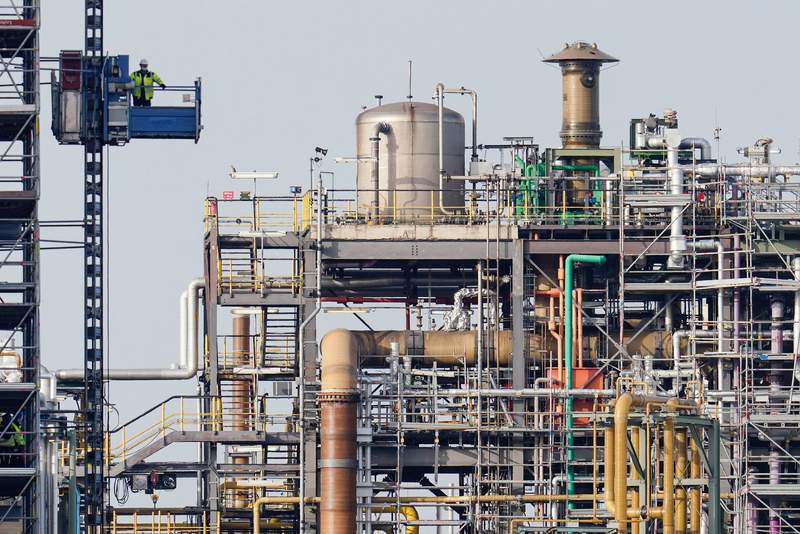
POLICY WIRE — Berlin, Germany — Forget the champagne, this feels more like a quiet sigh of relief. While Europe’s economic titans have spent the better part of the year treading water, desperately searching for currents, Germany’s industrial engine, notoriously temperamental of late, offered a flicker of life in April. It’s hardly a thunderous roar, mind you—more of a subdued cough—but economists and politicians are clutching onto it, like a lifeline, especially after months of collective gloom. A tiny upward tick. Just that.
But let’s be real. Nobody’s popping corks over an output figure that suggests the manufacturing powerhouse might just be, maybe, barely, keeping its head above water. This isn’t the kind of surging demand that sparks factory expansions — and hiring sprees across the continent. It’s a statistic that whispers, rather than shouts, promising nothing more than a momentary pause in the relentless drip-drip of concerns over energy costs, sputtering global trade, and Europe’s ever-present inflationary headaches. You get the picture.
For too long, the narrative out of Berlin has been one of industrial fatigue, a hangover from gas dependency and a global slowdown. Manufacturers here have wrestled with a tricky cocktail: energy prices that soared, supply chains that frayed (making headlines like “Flames Off Oman” seem less abstract, more impactful), and a dip in demand from key markets. This isn’t just about German companies; it’s about the very bedrock of European prosperity, feeling every tremor from Guangzhou to Geneva. And now this small step forward? Some might call it defiance. Others, delusion.
Germany’s Vice Chancellor — and Minister for Economic Affairs and Climate Action, Robert Habeck, acknowledged the nuance. “We’re seeing glimmers, certainly,” he recently told journalists, maintaining that customary Teutonic caution. “But we’re far from out of the woods, far from what one would call a robust recovery. This is a breathing space, perhaps a foundation for a slow, steady climb. Don’t expect miracles.” That’s the vibe. It isn’t just growth; it’s hope that growth isn’t entirely an illusion anymore.
Indeed, even with this recent uplift, manufacturing orders — a forward-looking indicator — declined by 0.8% in the first quarter of the year, according to a recent Bundesbank report, signaling that the pipeline for future output isn’t exactly overflowing. This modest industrial bump-up, then, plays out against a backdrop of somewhat softer consumer demand and persistent inflation that still gnaws at household budgets, leaving economists guessing when genuine, broad-based confidence will return. It’s a waiting game.
From the European Commission’s headquarters, similar sentiments echo. Margrethe Vestager, the Executive Vice-President for A Europe Fit for the Digital Age, known for her frank assessments, put it plainly, though not specifically on this recent data. “One swallow doesn’t make a summer,” she remarked earlier this spring, addressing broader EU economic figures. “We’re rebuilding trust, we’re investing in our resilience. But the global landscape remains complicated, challenging our industries and our ambitions at every turn.” That pretty much sums it up for April’s industrial showing, too: complicated. Always complicated.
This marginal uptick, however minor, still casts ripples across distant shores. For economies like Pakistan, deeply intertwined through global supply chains and trade relationships, even a hint of stabilization in Europe’s largest economy is noted. Germany, as a key market for Pakistani textiles and an investor in various sectors, has an influence beyond its borders. A sluggish European appetite for goods — often influenced by German economic health — translates directly into pressure on Asian manufacturers, slowing down growth prospects in regions where stability is already a premium commodity. But when the European machinery creaks, as it often does, the echoes are heard. You can’t just isolate the gears.
Because ultimately, Europe’s engine needs all its cylinders firing, — and right now, many are still sputtering. Germany’s industrial workers, its policymakers, and frankly, its global trading partners are looking for sustained momentum, not just momentary blips. They’re hoping for a consistent trajectory, a path away from the precarious balancing act that defines post-pandemic, wartime economics.
What This Means
Politically, this anemic industrial uptick offers Chancellor Olaf Scholz’s coalition a fleeting talking point amidst ongoing fiscal debates and public discontent over high living costs. It’s enough to avoid immediate crisis, but insufficient to inspire widespread confidence or deflect criticism that Germany is losing its competitive edge. Expect continued pressure on the government to ease energy burdens and streamline bureaucracy to foster a more robust rebound.
Economically, this minor increase provides a scant reprieve for the European Central Bank. While it doesn’t dramatically alter their interest rate outlook — they’re still likely focused on sticky inflation rather than burgeoning growth — it prevents a more negative sentiment from deepening. For global trade, however, particularly with partners like Pakistan, persistent caution in German manufacturing suggests that demand for imported goods might not significantly pick up just yet. Countries eyeing increased exports to Europe, or relying on European investment for their own industrial development, will find that the path forward remains riddled with caution, rather than enthusiasm, and Europe’s geopolitical gambits elsewhere don’t seem to make industrial output soar either.