


Cricket’s Quiet Rebellion: Chahal Steps Off the Spiraling Pitch, Into Sobriety
POLICY WIRE — Mumbai, India — It’s not the dazzling leg-break that snags a crucial wicket, nor the swaggering post-match interview that truly shifts the conversation. Sometimes,...

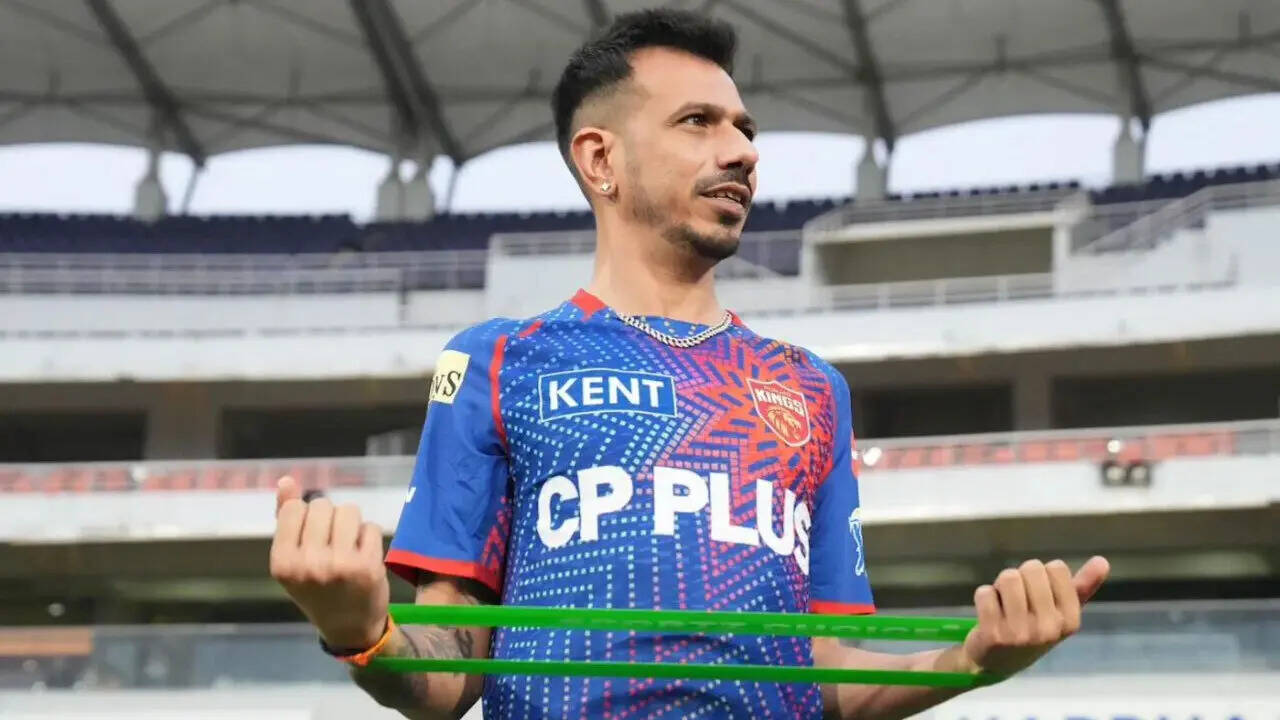
POLICY WIRE — Mumbai, India — It’s not the dazzling leg-break that snags a crucial wicket, nor the swaggering post-match interview that truly shifts the conversation. Sometimes, it’s the quiet confession, the unvarnished truth spilled out in a casual chat — like Yuzvendra Chahal’s recent revelation — that actually shakes the foundations of a demanding sport. India’s celebrated spinner, known for his on-field antics and a sometimes-too-aggressive online persona, has publicly peeled back a layer of the relentless performance pressure cooker, detailing his decision to step away from alcohol and, frankly, the dark spirals it sometimes spun him into.
For years, the narratives surrounding South Asian sporting icons have been rather one-note: grit, glory, and unwavering determination. Rarely, if ever, has the spotlight intentionally drifted to the quiet struggles, the personal demons lurking behind the meticulously curated public image. But Chahal, speaking with fellow cricketer Harleen Deol on the ‘Kandid with Kings’ podcast, didn’t mince words. He wasn’t playing to the crowd; he was just… talking. About depression. About realizing a habit had become a hard problem. And about six months of deliberate, arduous change.
It sounds straightforward: “Best decision of my life.” That’s how he put it. But behind those five words lies a battle few outside the athlete circuit truly grasp. The kind that takes hold when — and here’s the twist — you’re at the presumed apex of your career, living a dream that thousands claw for. And yet, the interior landscape remains barren, haunted by self-doubt and an emptiness that external validation simply can’t fill. This isn’t just about booze; it’s about a coping mechanism — a very public, culturally acceptable one — that ceased to serve its purpose, becoming another weight on already burdened shoulders. “I understand much better what’s happening in my life, who’s with me, and who isn’t,” he reportedly stated, the clarity arriving only after he “removed it from his life.” A stark observation, wouldn’t you say, about who stands by you when the filters are off.
And because, frankly, the glamor often overshadows the grind, tales like Chahal’s hit different. They expose the fallacy that success inherently equates to happiness. Or even, well, basic mental equilibrium. He — like many in a high-octane profession where “downtime” often means more high-profile engagements — reached a point. “When you go beyond your limits,” he confessed. “I was dealing with depression, and my mental health wasn’t good.” It took a trip to the UK for county cricket, away from the familiar hum and drum of India’s relentless cricketing schedule, for him to truly confront it. He decided, on his own, to “fix things.”
That personal “fix” has a ripple effect. It’s an uncomfortable mirror held up to the ecosystem of professional sports, particularly in a region like South Asia where conversations about mental health are, for many, still whispered in hushed tones or dismissed entirely. “We’re finally seeing athletes crack open the heavy vault of expectations. Chahal’s candidness isn’t just about his journey; it’s a potential watershed for an entire region where ‘keeping a stiff upper lip’ has historically been the unofficial motto,” observed Dr. Ayesha Khan, a Lahore-based sports psychologist, renowned for her work with young athletes. “His decision to speak out offers permission for countless others to acknowledge their own silent struggles.”
The numbers aren’t exactly encouraging. A recent study published by the Indian Sports Authority, compiling data from athlete wellness programs, indicated that roughly 70% of professional athletes in India report experiencing significant performance-related stress — a condition often compounded by inadequate coping mechanisms or support systems. But for players like Chahal, and those across the border in Pakistan, navigating their own high-pressure leagues, the external show is always on. And sometimes, you just can’t afford a crack in the armor, because the audience is always watching. Whether it’s the glamour of the IPL — where Chahal was acquired by Punjab Kings for a staggering ?18 crore at the IPL 2025 mega auction in Jeddah, Saudi Arabia — or the Pakistan Super League, the pressure remains acutely present.
What we’re talking about here isn’t just personal betterment; it’s a public health discourse cloaked in a sports narrative. “Professional sports demand superhuman effort, — and sometimes, players push past healthy limits. We’ve got to ensure the support structures are there, not just for physical training, but for what goes on inside a player’s head. That’s the challenge,” stated Rajeev Sharma, a prominent Board of Control for Cricket in India (BCCI) official, in a surprisingly frank exchange with Policy Wire. It suggests a growing awareness, even if institutional change often lags behind individual breakthroughs.
What This Means
Chahal’s very public admission — framed less as a fall from grace and more as a journey to clarity — carries significant implications. Economically, a healthier athlete is a more consistent performer, and consistency translates to greater marketability and return on investment for franchises and sponsors. It’s a pragmatic calculation. This narrative also provides a potent, organic marketing tool for mental health awareness initiatives, potentially attracting new partnerships or encouraging existing ones to amplify their reach within a skeptical, performance-driven culture. politically, it could push sporting bodies across South Asia to mandate and properly fund robust mental health services, moving beyond token gestures. The current focus on macro-economic debates in sports, exemplified by discussions surrounding events like a Raiders-49ers preseason game, often overlooks the micro-pressures faced by the athletes themselves. Chahal’s candidness punctures that comfortable bubble. It forces a discussion that transcends the boundary rope, reaching into homes and families where similar battles — perhaps less spotlighted — are fought every day. The ripple effect, while slow, might just chip away at the stubborn stigma associated with mental health struggles in the subcontinent, prompting a cultural recalibration that, let’s be honest, is long overdue.