


Six Years Lost: New Mexico Court Rebukes Justice System, Frees Man Over ‘Glacial’ Delays
POLICY WIRE — SANTA FE, N.M. — It took nearly six years for Brandon Villalobos to get his day in court. Six years, give or take a few months, during which he aged from a bewildered 15-year-old — a...

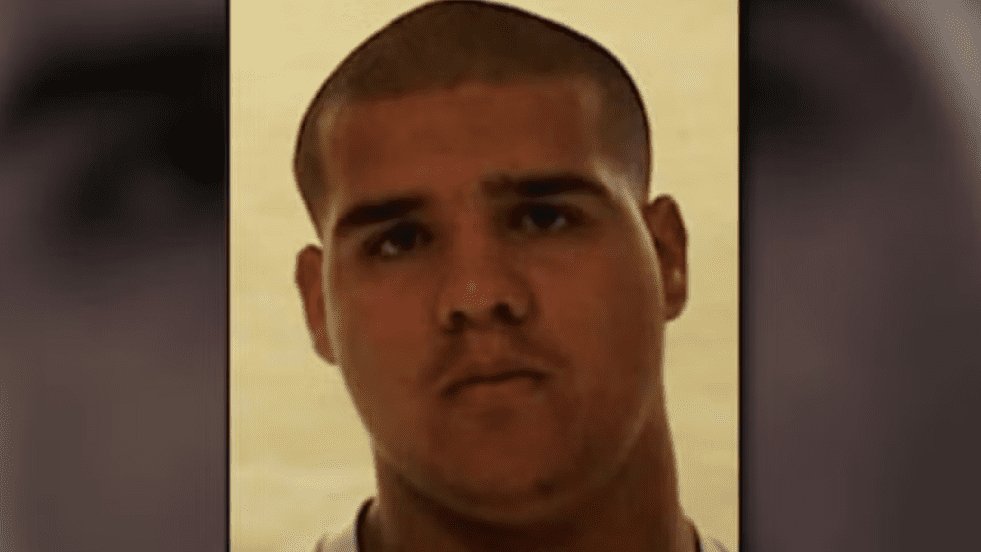
POLICY WIRE — SANTA FE, N.M. — It took nearly six years for Brandon Villalobos to get his day in court. Six years, give or take a few months, during which he aged from a bewildered 15-year-old — a boy with intellectual disabilities, mind you — into a young man scarred by the glacial crawl of New Mexico’s justice system. Now, in a searing, unanimous rebuke, the state’s highest court hasn’t just overturned his murder conviction; it’s called out the very prosecutors meant to uphold the law, leaving them twisting in the desert wind. That’s some statement.
The New Mexico Supreme Court yanked the rug right out from under a second-degree murder and tampering conviction that Villalobos earned back in 2020. The whole thing, they said, was poisoned by the inexcusable delays. Villalobos, accused of beating 12-year-old Alex Madrid to death in 2014, basically spent his entire adolescence locked up waiting for the state to sort itself out. Madrid’s body, for context, turned up in a lonely lot in Meadow Lake.
“We don’t often see such a stark display of systemic failure in open court,” remarked Sarah Jenkins, a seasoned public defender who wasn’t on this case but has navigated plenty like it. “When you let a defendant, especially a juvenile with an intellectual disability, languish for years before they even face trial, you’re not just denying justice; you’re inflicting punishment by process. It’s a national disgrace that these scenarios play out with such regularity, making a mockery of constitutional promises.” She’s got a point. And the statistics back her up: Nationally, around 66% of people held in local jails in 2021 were unconvicted, often awaiting trial for extended periods, a figure highlighting widespread inefficiencies in pretrial justice, according to data from the Bureau of Justice Statistics.
The state’s Supreme Court justices, they weren’t mincing words either. In an opinion penned by Justice Michael E. Vigil, the court declared, plain as day, that Villalobos “was deprived of his speedy trial rights.” They went on, citing the almost three years it took just to figure out if the kid was even competent enough to stand trial. Think about that for a second. Three years.
But it’s not just the disability. The court pointed a direct finger at the prosecution. They cited a general lack of oversight. Prosecutor weren’t “diligently monitoring” what was going on. It’s their show, their case. They’re supposed to be moving things along. “It’s the responsibility of prosecutors, who represent the State of New Mexico, to ensure that justice is carried out by moving a case forward to trial in accordance with the Constitution,” the justices wrote, letting everyone know where the buck stopped. And they didn’t just stop there. They straight up said the state “failed to meet that responsibility” and, in doing so, allowed a “teenage defendant with an intellectual disability to languish in jail for some three years and three months while his competency proceedings inched along at a glacial pace.” Glacier-slow justice for a 15-year-old? That’s not just slow; that’s cruel. But it happened.
The legal merry-go-round for Villalobos is pretty tangled. He first saw trial lights in December 2019, which, after years of waiting, ended in a mistrial. Then, in February 2020, a jury said ‘not guilty’ to first-degree murder but ‘guilty’ to the lesser charge and tampering. A judge, in 2021, slammed him with an 18-year sentence. But it did give him credit for about seven-and-a-half years he’d already served, sitting in custody. Because his attorneys—they appealed that conviction, got it to the Court of Appeals, who, oddly enough, upheld it in early 2024. But now, the big guns, the state’s high court, has taken another swing. They’ve not only chucked out the conviction, they’ve ordered the district court to dismiss the entire indictment that originally charged him. The man walks free.
What This Means
This ruling isn’t just a win for one man; it’s a profound, uncomfortable spotlight on a system that, too often, prioritizes process over fundamental rights. Politically, it’s a black eye for New Mexico’s prosecutorial offices, forcing a conversation about caseload management, resources for indigent defense, and perhaps, some accountability for judicial and administrative inertia. Economically, prolonged incarceration of pre-trial detainees—especially juveniles—isn’t just a human cost; it’s a financial drain. It means housing, feeding, and securing individuals who haven’t been proven guilty, drawing funds away from social services or other justice initiatives.
For developing nations, particularly those in the South Asian or Muslim world, this U.S. court decision resonates deeply. Countries like Pakistan often struggle with enormous backlogs, insufficient judicial resources, and vulnerable populations spending years in pre-trial detention, sometimes with little recourse. Just as New Mexico’s courts grapple with ensuring speedy trials, so too do their counterparts face the moral and logistical burden of upholding rule of law against systemic pressures. The right to a timely hearing, free from undue bureaucratic delay, isn’t some Western legal luxury; it’s a baseline expectation of justice that demands consistent vigilance globally. And when it’s neglected here, in a state like New Mexico, it exposes cracks that, let’s be honest, could easily be fissures elsewhere, compromising public faith in fair governance. It’s a chilling reminder that, no matter where you are, some lives are always considered more disposable, more subject to the grind of the slow, indifferent gears of justice. Perhaps, as the article “The Laundry Room Lament” implies, vulnerability often lays bare the deep faults in society’s structure.