


The Laundry Room Lament: A Transgender Life, Brutally Cut Short, Unmasks Society’s Seams
POLICY WIRE — Seattle, WA — A hum of commercial washers, the sterile scent of detergent—this isn’t typically where the specter of targeted violence makes its grim appearance. Yet, in the quiet,...

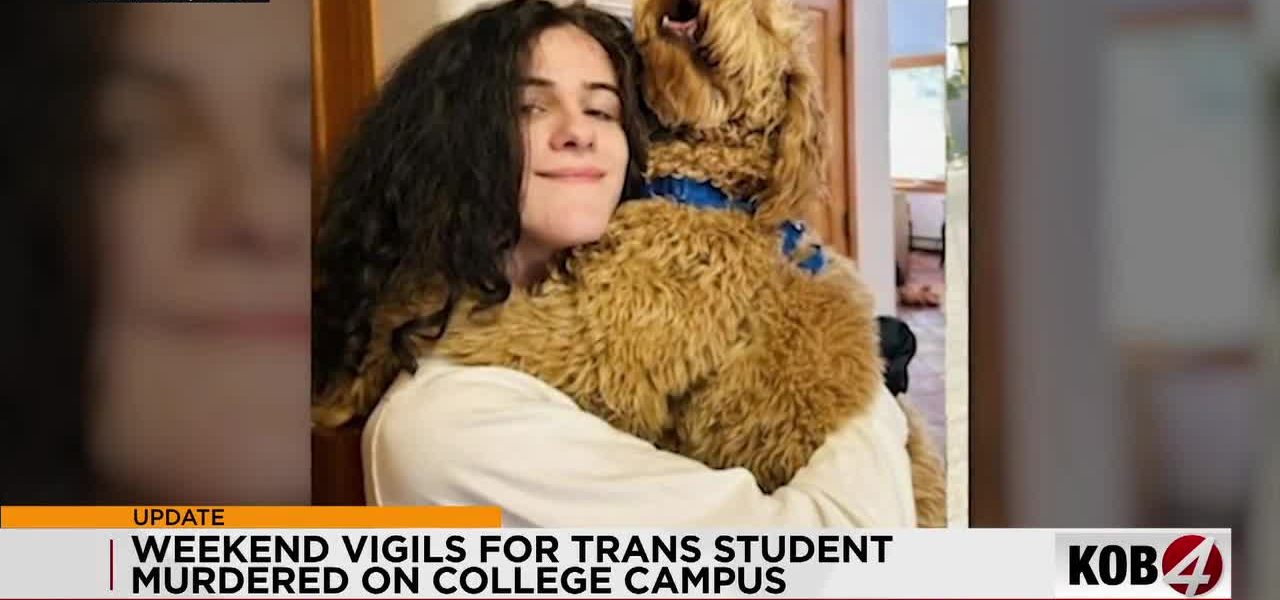
POLICY WIRE — Seattle, WA — A hum of commercial washers, the sterile scent of detergent—this isn’t typically where the specter of targeted violence makes its grim appearance. Yet, in the quiet, fluorescent-lit confines of a university laundry room, an aspiring atmospheric scientist, Juniper Blessing, found their young life savagely extinguished. It wasn’t an isolated incident; it was a blaring siren for a community already holding its breath, one more brutal chapter in an unfolding story of fear and hard-won resilience.
Blessing, a recent graduate of the New Mexico School for the Arts, had traveled cross-country to study at the University of Washington. They were, by all accounts, a luminous talent—a musician whose voice resonated through school halls, a scholar chasing the complex dance of the skies. Then, a Sunday night, an unprovoked attack, over forty stab wounds. A life, simply gone. Because of an arrest, there’s a killer off the streets—a thirty-one-year-old, Christopher Leahy, turned in by his own family after surveillance images circulated. But for the trans community, it’s never just about an arrest. It’s about the underlying current, the daily dread.
And the dread, it’s palpable. Vigils sprung up from Santa Fe to Seattle, twin flames against a deepening shadow. But grief wasn’t their only fuel. A profound anxiety hummed beneath the surface, a chilling echo of every fear whispered in private spaces. As one community advocate put it bluntly, standing amidst the candles, “It’s scary, isn’t it? Especially when it feels like no one in power truly grasps the magnitude of the threat we live under.”
Governor Michelle Lujan Grisham, reacting to the news from her New Mexico office, offered strong words. “Juniper Blessing was one of our own, a shining example of New Mexico’s spirit — and creativity. This horrific act shakes us to our core,” she said in a statement to Policy Wire. “We extend our deepest sympathies, of course, but also our unwavering commitment to fostering inclusive environments where every individual feels safe and valued, regardless of their identity.” Seattle Mayor Bruce Harrell echoed a similar sentiment. “My administration is actively engaged with community leaders. This type of violence has no place in our city, and we’ll dedicate every resource to ensuring justice and — more importantly — to restoring the sense of security our residents deserve, particularly those from marginalized groups.”
This incident isn’t a statistical outlier within its grim niche. According to the Human Rights Campaign, at least 32 transgender and gender non-conforming people were fatally shot or killed by other violent means in the United States in 2023, with a disproportionate number being Black transgender women. That’s a stark, undeniable number that should rattle any complacent notion of progress. But it’s often shrugged off—or worse, weaponized by narratives that actively demonize trans existence.
Across continents, from Seattle’s quiet campus to the bustling megacities of Pakistan, the struggle for marginalized communities to simply exist without fear remains a grim, ongoing battle. While the specifics of religious minorities facing persecution in some parts of the Muslim world might differ starkly from the issues faced by LGBTQ+ individuals in the West, the underlying anxieties—the fear of targeted violence, the yearning for official recognition, the silent threat of societal intolerance—often echo. Pakistan, for instance, has seen its transgender community navigate treacherous social and legal landscapes, often with little official protection. It’s not a direct comparison of events, but rather of a shared, grinding weight of precarity. That human experience of vulnerability—it crosses every border. You can see it in how communities find ways to seek stability even in fractured times.
Juniper Blessing’s death throws a cold, hard light on these cracks in our societal foundation. Their passion for the arts, their pursuit of knowledge—it’s all secondary now to the brutal fact of their murder. And because a suspect was quickly apprehended, some might conclude that justice has been served, problem solved. But this sentiment misses the forest for the tree.
What This Means
This incident transcends the individual tragedy of Juniper Blessing. It amplifies the systemic anxiety felt by the transgender community across America, an anxiety frequently stoked by an increasingly hostile political climate. When public discourse demonizes trans identity, when legislation targets gender-affirming care, it doesn’t just impact policy—it legitimizes animosity, creating environments where violent acts are perceived as, well, less egregious by some. Politically, this forces elected officials into a tight spot: either unequivocally support and protect marginalized communities, or risk alienating significant voter blocs and being perceived as condoning violence through silence or inaction.
Economically, there are quieter, often overlooked implications. States perceived as hostile to LGBTQ+ individuals, particularly trans people, can suffer from brain drain, losing skilled workers, students, and entrepreneurs who seek more welcoming environments. This can erode a region’s creative capital — and human potential. For universities, like the University of Washington, incidents like this demand intensified efforts in campus safety and diversity initiatives, often requiring significant budgetary allocations for security upgrades, counseling services, and anti-discrimination programs. But it also, perversely, creates a chilling effect—fewer might choose to attend, or feel comfortable enough to thrive. It’s a cascading problem, far deeper than a single, shocking headline suggests. It makes us wonder, doesn’t it, if we’ve learned anything at all.