

The Silent Battle for Talent: Konaté’s Madrid Move Exposes Football’s New Financial Frontier
POLICY WIRE — Madrid, Spain — Beneath the glitter of stadium lights and the roar of adoring crowds, a different, colder contest plays out—a geopolitical chess match, really. This isn’t just...

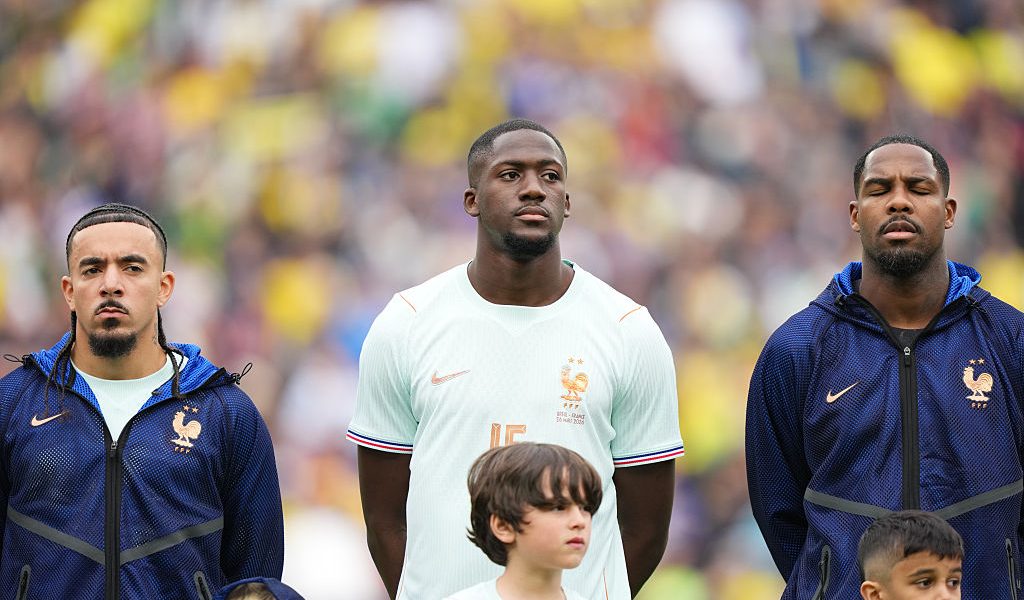
POLICY WIRE — Madrid, Spain — Beneath the glitter of stadium lights and the roar of adoring crowds, a different, colder contest plays out—a geopolitical chess match, really. This isn’t just about athletic prowess; it’s about balance sheets, global influence, and the strategic acquisition of human capital. So, when whispers emerge of a world-class defender like Ibrahima Konaté exchanging Anfield’s fervent embrace for the stately grandeur of the Santiago Bernabéu, it’s rarely just about the game itself, is it?
It’s the silent war over contracts — and leverage, waged behind mahogany doors by men in expensive suits. And Konaté’s reported agreement with Real Madrid, currently making the rounds in various media — though still technically pending Florentino Pérez’s inevitable re-election as club president this Sunday — offers a rather stark glimpse into that particular battlefield. The French international, according to whispers from sources like Fabrizio Romano and Spain’s AS, is set to join Madrid, and here’s the kicker: it’s on a free transfer.
Free. As in, no exorbitant transfer fee changing hands between two of Europe’s footballing behemoths. It’s a move that smacks of calculated foresight by Madrid’s notoriously sharp administration and perhaps, too, a shrewd play from Konaté’s camp. His five-season tenure with Liverpool, where he’d become a defensive lynchpin, is winding down, his contract presumably having been left to run its course. Such arrangements are increasingly becoming a potent weapon in the high-stakes financial warfare of European football.
Florentino Pérez, the long-reigning monarch of Real Madrid, reportedly sees it as a move emblematic of his continued vision. “This isn’t just about securing a world-class talent,” a Madrid official, speaking on condition of anonymity due to the ongoing electoral process, relayed to Policy Wire. “It’s a strategic assertion of our commitment to sporting dominance and fiscal prudence in an evolving market.” It’s a statement that rings true, given Pérez’s long history of coupling on-field ambition with often brutal, but undeniably effective, financial engineering. But securing a player of Konaté’s stature without a transfer fee represents a particular kind of coup.
For Liverpool, the sting of seeing such talent depart for nothing can’t be easily dismissed. “Losing a player of Ibrahima’s caliber, especially on a free, always stings a bit,” acknowledged a former senior Liverpool staff member, who requested not to be named discussing internal club matters. “But it’s part of the modern game—a continuous evolution, innit? You’ve got to trust the process, the next chapter, even when it means some difficult goodbyes.” This particular narrative, however, often elides the real, structural pressures clubs face in managing their playing assets against player agency and market trends.
The global reach of these transfers, meanwhile, extends far beyond the traditional footballing heartlands. From the teeming bazaars of Karachi to the bustling cafes of Beirut, European club football holds an almost magnetic sway. Fans in Muslim-majority nations and across South Asia constitute a colossal viewership demographic, feeding astronomical broadcast revenues back into Europe’s top leagues. Konaté, himself of Malian descent — and Muslim faith, isn’t just a defender; he’s a potent symbol to millions. And his movement isn’t just a blip on a financial spreadsheet; it’s a cultural phenomenon that reinforces—or shifts—loyalties across continents, affecting merchandise sales and streaming subscriptions in ways hard to quantify yet deeply felt.
Consider the raw numbers. The latest FIFA Global Transfer Report revealed that over 1,500 international free transfers occurred in men’s professional football in 2023, representing nearly 30% of all player movements. That’s a staggering figure, indicative of a systemic shift away from the blockbuster transfer fees of a bygone era towards a more sophisticated, often quieter, pursuit of value.
What This Means
This isn’t mere sports reporting; it’s an examination of power, economics, — and soft diplomacy. A free transfer of Konaté’s caliber demonstrates Madrid’s continued strategic financial acumen. It also underscores a broader trend in European football: clubs are increasingly savvy about managing player contracts, often leveraging the desire of star players to move to ‘destination’ clubs once their deals expire. This gives players, or more accurately, their agents, considerable bargaining power, shifting the balance of power from the traditional club hierarchy.
Economically, it’s a win for Madrid, avoiding a potential £40m+ outlay. This capital can then be reallocated for other marquee signings or infrastructure—further solidifying their competitive advantage. For Liverpool, it represents a missed opportunity for a significant influx of cash, but it also reflects a pragmatic acceptance of the modern player market’s realities. From a political perspective, successful acquisitions like this bolster a club’s global brand, turning them into cultural ambassadors and influencing fan bases in lucrative, developing markets like Pakistan and beyond. It’s a subtle yet powerful form of influence, far removed from the geopolitical jostling for raw materials but equally impactful in shaping narratives and garnering international goodwill. The traditions of European power, it seems, have simply found new battlegrounds.
Because ultimately, these deals aren’t just about 22 men chasing a ball. They’re intricate negotiations, financial calculations, and cultural assertions that reverberate across a globalized world, shaping economies, identities, and national (or at least, club) pride. And as long as the crowds cheer — and the broadcast rights rake in billions, expect these silent battles to intensify.