


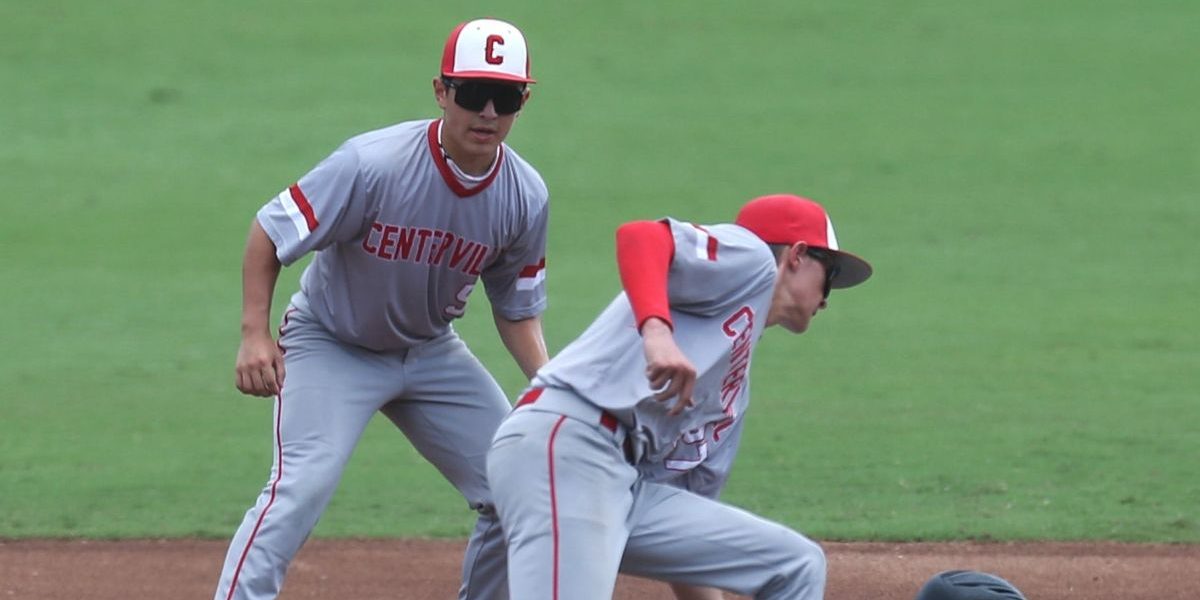
Bruised Arm, Untarnished Legacy: A Texas Dynasty’s Bittersweet Farewell to the Diamond
POLICY WIRE — Austin, Texas — The end, they say, usually comes quietly, perhaps with a gold watch and a polite handshake. But in the searing Texas heat, for veteran baseball coach Rob Stramp and his...

POLICY WIRE — Austin, Texas — The end, they say, usually comes quietly, perhaps with a gold watch and a polite handshake. But in the searing Texas heat, for veteran baseball coach Rob Stramp and his star pitcher Cole Koeninger, it arrived with a deafening roar—a raw, emotional explosion of a championship long pursued, then dramatically seized. And it’s this kind of dramatic punctuation, the culmination of decades of toil, that makes you wonder about the larger narrative, not just the local score.
Stramp, after 28 seasons at the helm of the Keller Indians, finally hoisted the elusive Texas 6A D1 state title, a 2-1 nail-biter over Austin Lake Travis. What makes it even more striking? Both he — and Koeninger were playing out their final games. Talk about leaving a mark. This wasn’t just a victory; it was a deeply scripted farewell, practically begging for Hollywood treatment. The narrative tension? It was so thick you could cut it with a cleat, especially knowing the team had stumbled in regional finals just a year prior.
Koeninger, a Tennessee commit — and budding MLB prospect, turned in a performance for the ages. But he did it with a left wrist that was more an act of will than an actual appendage, having sustained an injury. He wasn’t even cleared to bat, yet he pitched the entire game, delivering eight strikeouts and holding Lake Travis mostly at bay. He exited the mound in the final inning, the score sitting at 2-0, his work done. It was pure theater—a guttural, gritty display of competitive fire that transcended mere sport.
Telegram reporter Charles Baggarly encapsulated the feeling, tweeting, “Keller’s Cole Koeninger ends a stellar career with Championship MVP honors. 6.2 IP, 2H, 1 ER, 5 BB, 8K. The Tennessee signee & MLB draft prospect couldn’t bat today but did everything in his power to lead his team to a win.” That’s a career capped, not just a game. You can’t write that kind of commitment into a contract; it’s etched into character.
And because it was his swan song, the weight of the achievement wasn’t lost on Coach Stramp. “It’s a goal, but this wasn’t going to define our program, whether or not we won today or another time. But it’s a great reward for a bunch of guys who, year after year after year, have put the work in, had the great attitude. Our team, people and that’s kind of been who we’re through the years,” he told Dallas news after the raucous celebration. It’s a testament to sustained effort, a principle that resonates far beyond the baseball diamond.
The triumph cemented Keller’s spot among Texas’s elite—a rare feat considering they entered the contest ranked 21st nationally in industry rankings, while Lake Travis, surprisingly, lingered outside the Top 25 of Rivals High School Baseball. But raw numbers, it turns out, don’t always account for heart or, evidently, injured wrists. Tomball, a formidable former No. 1 team nationally, cruised to a less dramatic 9-1 win in the other 6A final, but Keller’s narrative? That’s the one everyone’s still talking about.
Dr. Eleanor Vance, a University Interscholastic League (UIL) director for Region III, perhaps best articulated the underlying significance for Policy Wire. “These athletic showdowns are about far more than just points or strikes,” she explained, her voice tinged with pride. “They’re proving grounds for young leaders, forging resilience — and fostering deep community bonds. We’re not just graduating athletes; we’re cultivating citizens ready for challenges in any field, whether it’s business, public service, or indeed, the global stage.”
📄 POLICY WIRE WHITEPAPER PUBLISHED: PAKISTAN'S NATIONAL SECURITY POLICY PRIORITIES
👉 READ BY CLICKING HEREWhat This Means
The curtain falling on Stramp’s career with this dramatic championship, alongside Koeninger’s heroics, isn’t merely a feel-good story for Keller. It speaks volumes about the outsized role of high school athletics in Texas culture and its latent economic and societal implications. These aren’t just extracurriculars; they’re billion-dollar industries generating tourism, media rights, and intense civic pride. Think about the packed stands at Dell Diamond, the local businesses booming, the college scholarships, and the professional contracts dangling as carrots—it’s an entire ecosystem of aspiration.
But there’s also a subtle tension here. This intense, almost militaristic focus on athletic achievement—training from a young age, year-round commitment, the sheer financial investment from families—has both inspiring and cautionary tales. On one hand, it instills discipline and teamwork, characteristics invaluable in any career, from Wall Street to diplomatic circles. On the other, it begs a comparison to nations like Pakistan, where societal emphasis often leans heavily towards immediate economic or political stability, sometimes at the expense of a fully developed, inclusive youth sports culture like what’s seen on these Texas diamonds. Where America invests heavily in youth sport, cultivating competitive excellence, other regions channel similar intensity into nation-building or even geo-political maneuverings. It’s the brutal simplicity of decision—every culture decides what it deems worthy of its deepest competitive spirit.
It also represents a pipeline, albeit a narrow one, to higher education — and even professional careers. For players like Koeninger, a strong high school performance can translate directly into a college scholarship and a shot at the pros. For the communities, it’s about identity, shared experience, — and the celebration of hometown heroes. These UIL spectacles, from the smallest 1A D1 contest (Groveton Centerville claimed that title, by the way) to the high-stakes 6A clashes, are a crucial part of the social infrastructure—they teach us how to win, how to lose, and perhaps most importantly, how to compete until the very last out. And you know what? That’s a lesson you can use anywhere, from negotiating trade deals to, well, dealing with a jammed elbow on the pitcher’s mound.