

Washington’s Bold Chagos Play: Old Empire’s Scars, New Alliances Tested
POLICY WIRE — London, UK — Because few things in geopolitics remain uncomplicated, news that Washington might just buy itself a piece of prime Indian Ocean real estate, sidestepping its closest ally,...

POLICY WIRE — London, UK — Because few things in geopolitics remain uncomplicated, news that Washington might just buy itself a piece of prime Indian Ocean real estate, sidestepping its closest ally, isn’t exactly sending shockwaves; it’s more like a dull ache in the collective diplomatic consciousness. The audaciousness of the move, not just the financial consideration, is what’s truly unsettling the status quo.
It seems someone in a power-broker’s chair has decided that the old-fashioned way of doing things—that’s, negotiating with London over a British Indian Ocean Territory (BIOT) that London insists is theirs, despite international court rulings—is far too cumbersome. The solution? Just go around them. Directly to Mauritius, the nation that’s been pressing its sovereignty claims over the Chagos Archipelago for what feels like eons, even taking the UK to the International Court of Justice and winning, repeatedly. [QUOTE_PLACEHOLDER]
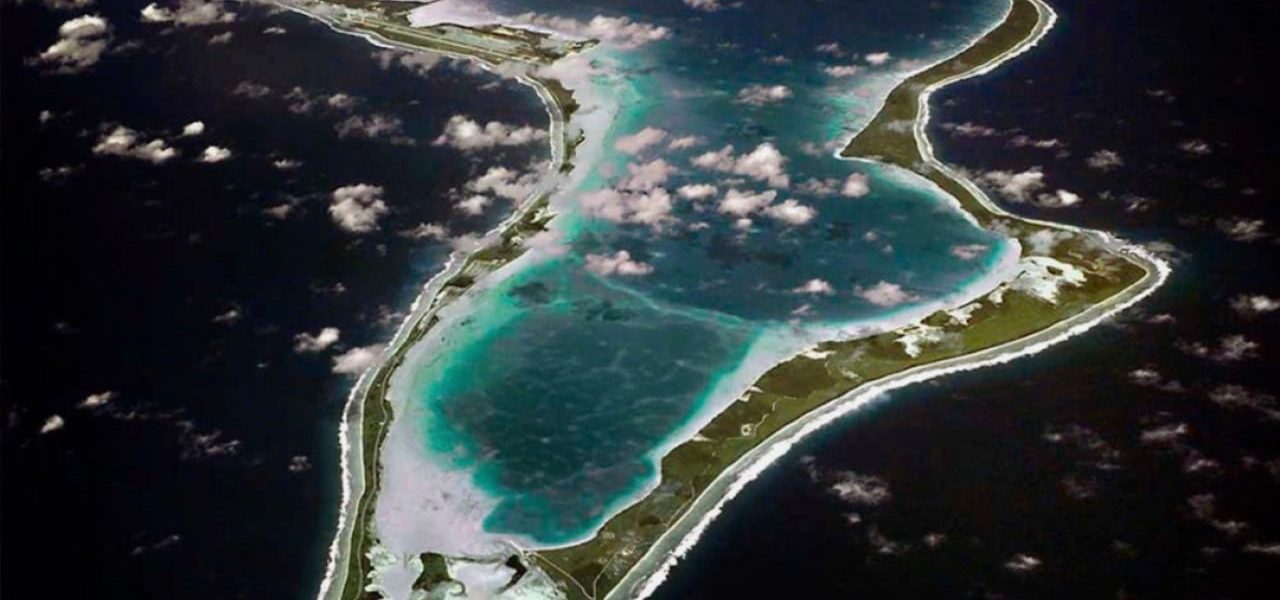
Reports emerged from the UK last Sunday, via the Telegraph, stating point blank that The White House is considering a plan to buy the Chagos Islands from Mauritius. Think about that for a second. It’s an American-sized solution to a very British-Mauritian problem, though its implications stretch far beyond the quaint notions of colonial hand-me-downs. This isn’t about some pristine beach retreat; it’s about Diego Garcia, the linchpin of American military might in a region seething with complex rivalries and strategic chokepoints.
And yes, US officials have drawn up a proposal to bypass the UK and make their own deal to take control of Diego Garcia, the report said. You’d be forgiven for wondering if anyone consulted the Brits, or perhaps offered them a biscuit for their troubles. But it doesn’t sound like it. The optics here are… suboptimal, especially for the supposedly Special Relationship. Washington’s seemingly preferred approach indicates a deep impatience, perhaps a feeling that London’s foot-dragging on Mauritius’s claims, which involve the forced removal of indigenous Chagossians decades ago, has become an unnecessary geopolitical liability.
The White House, naturally, hasn’t jumped to confirm the veracity of these revelations. Reuters couldn’t immediately confirm the report, we’re told, and The White House and the UK Foreign Office didn’t immediately respond to a request for comment. That’s a classic in the political journalism playbook: the deafening silence that often speaks volumes. But it’s out there now, floating like an awkward conversation at a high-level dinner, making everyone a bit uncomfortable.
This plan, we learn, is part of a larger strategic reassessment. The plan is among several options being drafted by the White House, in a paper aimed at providing… some long-term solutions, presumably. For Pakistan — and other nations in South Asia, this gambit isn’t just about an island chain in the middle of nowhere. Diego Garcia—sometimes called an ‘unsinkable aircraft carrier’—has been central to US operations across the Middle East and Central Asia for decades. From surveillance missions to launching points for strategic bombers, its role in maintaining regional stability, or at least US military dominance, cannot be overstated.
A direct US deal with Mauritius could redraw more than just island ownership lines; it could reset the entire dynamic of foreign military presence in the Indian Ocean. Nations like Pakistan, navigating intricate alliances with both Western powers and rising regional players like China, watch such moves with keen interest. A firmer US grip, secured through an unconventional purchase, might solidify American strategic positioning without the messy entanglement of UK historical baggage. But it’s a tricky game to play. For many in the Muslim world, especially given the history of external interventions, any such transaction carries heavy colonial undertones, regardless of who’s selling and who’s buying.
📄 POLICY WIRE WHITEPAPER PUBLISHED: PAKISTAN'S NATIONAL SECURITY POLICY PRIORITIES
👉 READ BY CLICKING HEREBut the real gem here isn’t just the sheer cheek of the proposition; it’s the subtle acknowledgement that sometimes, diplomacy, tradition, and established alliances just get in the way. It implies a ‘results-oriented’ approach that prioritizes American strategic interests above the sensitivities of historic partners. And that, frankly, is quite a shift. The US Government Accountability Office (GAO), for example, estimated U.S. operations at Diego Garcia alone would cost $316 million in fiscal year 2007, showcasing the sheer financial commitment the US has to the facility even way back when.
What This Means
Economically, if this reported plan actually goes through, it represents a substantial transfer of funds to Mauritius, which would be an unexpected windfall. Politically, it’s a diplomatic hand grenade tossed into the ‘Special Relationship’ between Washington — and London. How does one ‘bypass’ their closest ally on an issue of sovereign territory—even disputed territory—without causing a deep, perhaps lasting, chill? It’s not a gentle rebuff; it’s a blatant workaround. This could signal a new phase in US foreign policy where expediency and direct action take precedence over traditional alliance protocols, something Pakistan and other partners often worry about when facing American policy shifts.
This move, were it to materialize, could also legitimize Mauritius’s long-standing claims in an incredibly dramatic fashion. That sets a precedent. Other nations with lingering colonial grievances—and there are plenty—will be watching closely. What else is on the table? What other historical debts might be settled through a check, or perhaps a different kind of geopolitical maneuver? But this kind of transactional diplomacy could make the waters choppy for a while. It’s certainly an interesting time to be holding a map. It shows you what money can—and can’t—buy.