


Aftermath, Not Victory: New Mexico’s Seven Cabins Fire a Stark Lesson in Global Warming’s Grip
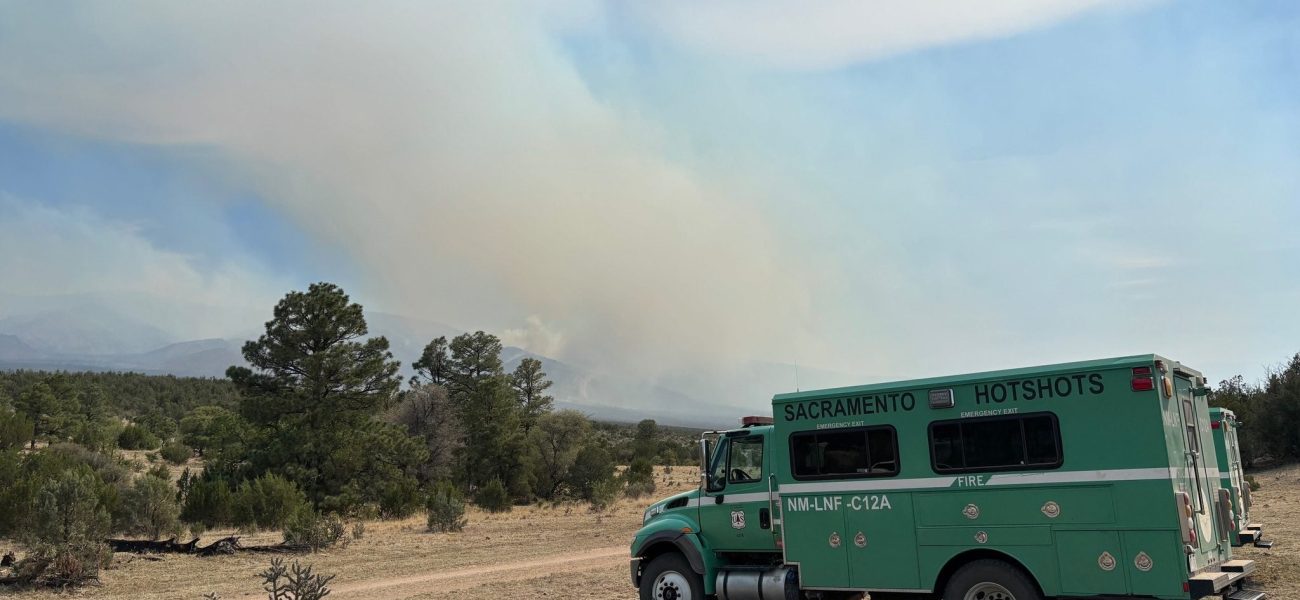
POLICY WIRE — CAPITAN, N.M. — The smell of scorched earth still hangs heavy over the Capitan Mountains, a harsh reminder that even as crews celebrate a milestone, the fight isn’t quite done....

POLICY WIRE — CAPITAN, N.M. — The smell of scorched earth still hangs heavy over the Capitan Mountains, a harsh reminder that even as crews celebrate a milestone, the fight isn’t quite done. Ninety percent contained might sound like a victory lap, but in the relentless crucible of modern wildfires, it’s just the shifting of the front line. After ravaging 31,870 acres—a parcel of land bigger than most major cities’ entire footprints—the Seven Cabins Fire continues to demand a grinding, inch-by-inch effort from exhausted first responders.
It’s a battle against the elements that highlights a disturbing global pattern, one stretching from New Mexico’s dry peaks to the parched landscapes of South Asia. The fire’s footprint isn’t just acreage; it’s an ecological wound, a landscape irrevocably altered, hinting at the broader, climate-driven vulnerabilities plaguing societies worldwide. The Capitan blaze, for all its local intensity, is but one spark in an increasingly flammable world. [QUOTE_PLACEHOLDER]
Day in, day out, crews will keep securing the fire’s perimeter
a Sisyphean task against an adversary that sleeps, but never truly dies. Even with 90 percent in the bag, work continues on the wildfire
because that final ten percent can roar back with a vengeance. Friday saw teams literally on the hunt: crews patrolled the fire’s perimeter looking for hotspots near the fireline in areas that had yet to be contained
. It’s meticulous, backbreaking labor, requiring an almost obsessive attention to detail, lest a rogue ember ignite another section.
And when those infernal embers were spotted, firefighters said they engaged those hotspots when they were found, and were aided by favorable weather
. But reliance on such benevolence from nature feels increasingly precarious. The dry conditions, the fierce winds that characterize much of the American West—and indeed, many global regions susceptible to brushfire—don’t often offer long stretches of good humor. Fire season isn’t a season anymore; it’s a permanent state of readiness, a constant, low-level thrum of anxiety for communities and governments.
Consider the scale: 31,870 acres. To put that in perspective, that’s over 49 square miles of destruction, a size that underscores the sheer manpower and resource commitment required. It’s a reminder of what the changing climate is doing to our environment. Because fires of this magnitude aren’t flukes anymore. They’re a stark reality for economies already strained, for ecological systems teetering on the edge. The United States has seen a substantial increase in average annual acreage burned by wildfires, with data from the National Interagency Fire Center (NIFC) showing an average of 7.2 million acres burned annually in the last decade, a dramatic rise from earlier periods.
But the challenge isn’t isolated to North America. We see parallels, stark ones, in Pakistan’s high-altitude forests and sun-baked plains, or across various regions of the Muslim world. The scorching heatwaves hitting South Asia in recent years have pushed temperatures to brutal extremes, drying out vegetation and creating powder-keg conditions for similar environmental catastrophes. Resource allocation, a domestic policy issue in New Mexico, becomes an international struggle for developing nations. How do you combat such vast environmental threats when your infrastructure is already stressed by basic needs, or even ongoing political instability? It’s the same environmental dragon, just in different geographical scales.
The lessons from places like Capitan, then, resonate far beyond New Mexico’s borders. They echo in discussions around water management in arid regions and in the desperate attempts to modernize energy infrastructure. The relentless nature of these blazes feeds into the bigger narrative of an unstable planet, a narrative explored perhaps even in how countries like India wrestle with shifting their reliance on fossil fuels—a necessary if agonizing transformation in the face of these accelerating environmental pressures. There’s no quick fix, no magic hose. It’s about adapting, mitigating, — and quite frankly, enduring.
📄 POLICY WIRE WHITEPAPER PUBLISHED: PAKISTAN'S NATIONAL SECURITY POLICY PRIORITIES
👉 READ BY CLICKING HEREWhat This Means
This 90% containment figure, while a welcome operational milestone for the local teams, masks a deeper, systemic policy challenge. Politically, the recurring and intensifying nature of these mega-fires forces federal and state governments into an expensive, reactive posture. They’re forced to divert astronomical sums—billions of dollars annually—to suppression efforts that often overshadow proactive prevention strategies. This resource drain impacts everything from education budgets to infrastructure spending. And it’s a tightrope walk for elected officials, balancing immediate, visible responses with the politically unpopular, long-term investments required to combat climate change and bolster ecological resilience.
Economically, the impact is devastating — and multifaceted. Beyond the direct costs of firefighting, which can run into millions for a fire of this size, there are significant ripple effects. Local economies in affected areas, often reliant on tourism or agriculture, suffer massive losses from destroyed landscapes and disrupted seasons. Property values plummet, insurance premiums soar, — and the psychological toll on communities can be incalculable. The rebuilding efforts can take years, even decades, straining local services and displacing populations. these events exacerbate global supply chain instabilities; if timber production is hit in one region, for example, prices for wood products elsewhere can fluctuate.
On a broader, international stage, these environmental crises are becoming an increasingly undeniable factor in geopolitical stability. Countries grappling with the effects of climate change—be it floods in Pakistan or fires in the American West—find their domestic resources stretched to breaking point. This creates potential for internal unrest and even regional instability, as states become less capable of managing their own crises, forcing a reliance on external aid or, conversely, breeding resentment against global disparities. This complex interplay of environmental stress and socio-political stability is a narrative that increasingly weaves through global policy discussions, linking events from a New Mexico mountain range to the intricate diplomatic maneuvers explored in pieces like Pakistan’s delicate balancing acts.