


Zoning’s Crumbling Walls: New Mexico Scrambles to Unlock Daycare’s Bottleneck
POLICY WIRE — ALBUQUERQUE, N.M. — The hum of brewing hops wasn’t just a weekend indulgence at Starr Brothers Brewing Company last Saturday; it was the backdrop for a sober conversation about kids—and...

POLICY WIRE — ALBUQUERQUE, N.M. — The hum of brewing hops wasn’t just a weekend indulgence at Starr Brothers Brewing Company last Saturday; it was the backdrop for a sober conversation about kids—and cold, hard economics. Kate Noble, who runs Growing Up New Mexico, found herself among community folks, pushing a narrative you don’t usually hear alongside craft beer: the desperate need for more daycare options. She wasn’t there to shill; she was there to explain that getting your toddler looked after, it’s not just a parent problem, it’s an economic engine that needs serious fuel.
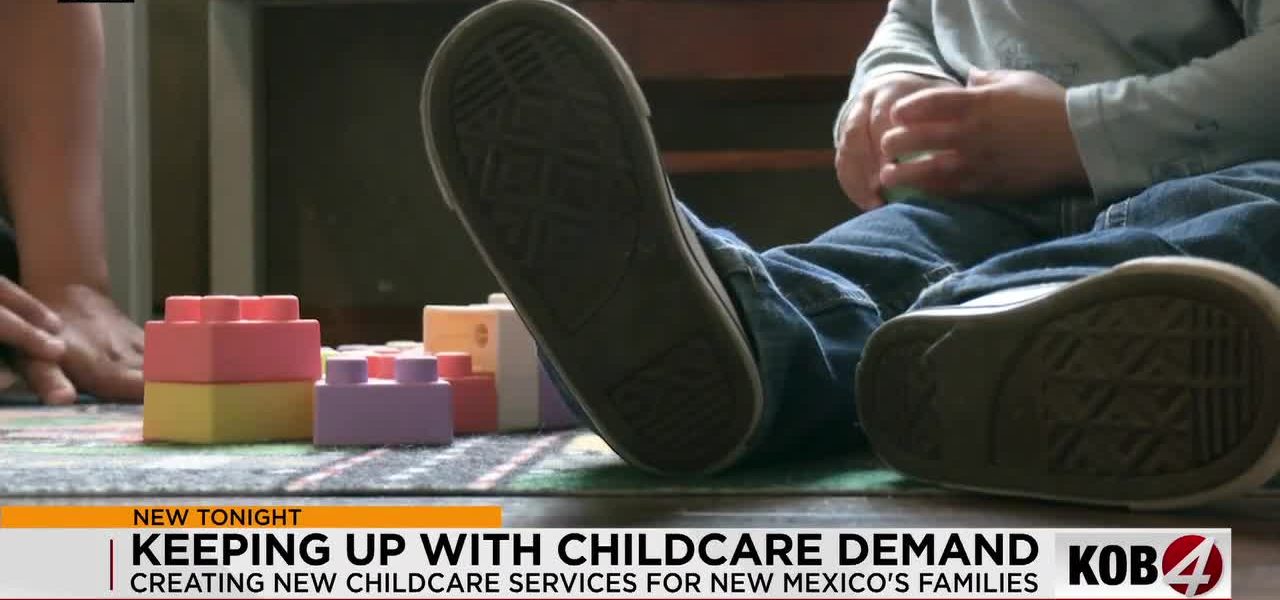
It’s an odd situation, isn’t it? New Mexico staked its claim as the country’s first state to roll out universal free child care. You’d think that’d fix everything. But no. The ink was barely dry on that initiative when the real world—the one with sprawling mesas and wide-open spaces, and families who need to actually go to work—came knocking. Turns out, free doesn’t always mean available. A lot of families still find themselves stuck in what we’re now calling ‘child care deserts’. It’s like a cruel mirage: the water’s there, but you can’t reach it.
And that’s where the bureaucrats stepped in, or, more accurately, got out of the way. State lawmakers, probably hearing a whole lot of exasperated sighs from constituents, approved a bill earlier this year that kicks zoning requirements for in-home child care providers right out the door. Poof. Gone, as of July 1. This isn’t some bureaucratic tweak; it’s a recognition that the rules, often designed for larger commercial outfits, were tripping up regular people just trying to run a small, essential business out of their homes.
Senator Heather Berghmans, a Democrat from New Mexico, didn’t mince words. She knows the struggle, especially for those living far from city centers. [QUOTE_PLACEHOLDER] Simple as that. It’s about empowering folks to meet a need where they live, rather than forcing them into cookie-cutter solutions that just don’t fit.
But let’s be real, even with the new rules, this isn’t some magic wand. New Mexico leaders, the ones staring at the numbers, figure there are still 12,000 children in need of child care right now. That’s a staggering figure for a state with New Mexico’s population. Though nearly 300 new providers have entered the field since last November’s universal care launch, it’s like bailing out a boat with a thimble when the hull’s got a gash. The gap is enormous, — and it screams for solutions beyond just loosening regulations.
It’s a familiar story, this push-and-pull between policy ambition — and ground-level reality. In societies worldwide, from the bustling megacities of Pakistan to the quiet communities of New Mexico, accessible, affordable, and high-quality childcare isn’t just a convenience; it’s a bedrock for economic participation, especially for women. Think about Karachi, where formal daycare options remain scarce for many working-class families, often leaving mothers with impossible choices or reliant on informal, sometimes unregulated, care networks. The systemic issue isn’t uniquely American; it’s a global headache, often worsened by a lack of coordinated policy and societal shifts away from extended family support structures. For a deeper dive into how complex governance shapes daily life and societal functions, consider constitutional governance and democratic order in regions like Azad Jammu & Kashmir, where policy choices have profound real-world impacts.
📄 POLICY WIRE WHITEPAPER PUBLISHED: PAKISTAN'S NATIONAL SECURITY POLICY PRIORITIES
👉 READ BY CLICKING HEREGrowing Up New Mexico isn’t resting on its laurels. The group’s got plans to crisscross the state, doing outreach, cajoling, — and supporting new providers. It’s grassroots work, the kind that makes a real difference, trying to shrink those child care deserts one home-based provider at a time. Because until every parent who wants to work, can work, we’re leaving human potential—and a lot of potential economic output—on the table.
What This Means
Politically, this move in New Mexico is a pragmatic admission that grand, universal policies, while well-intentioned, often stumble on the prosaic details of zoning and local bureaucracy. It’s a textbook case of government attempting to solve a macro problem only to find micro-level impediments—a classic bureaucratic feedback loop. Economically, slashing these rules isn’t just about kids; it’s a workforce development play. With thousands of children still lacking care, it means thousands of parents—disproportionately mothers—are likely either out of the workforce entirely, underemployed, or juggling impossible schedules. This creates drag on the local economy, dampening consumer spending, limiting tax revenue, and hindering business growth. Think of it as un-corking a very necessary, very expensive bottle of labor supply. The success of this deregulation will hinge on whether enough individuals are willing and able to step up and open these in-home daycares. If not, the state will have addressed a legislative barrier but missed the underlying societal or financial disincentives.
This isn’t a solution; it’s an agile response, a legislative maneuver to unlock human capital. It signals a shift from prescriptive top-down planning to a more flexible, bottom-up enablement, empowering smaller operators. We’ll be watching to see if this pivot truly translates into more kids getting care, or if it merely highlights the sheer, stubborn complexity of societal-scale problems that demand more than just one-off legislative fixes. And let’s face it, that’s often how these things go, isn’t it?