


After Shocks: Adani’s Charges Drop Rattles Global Accountability, Fuels Regional Ambition
POLICY WIRE — Washington D.C. — You don’t often see an industrial titan, once dubbed the world’s third-richest man, casually shed federal fraud charges. But here we’re. On a Monday that...

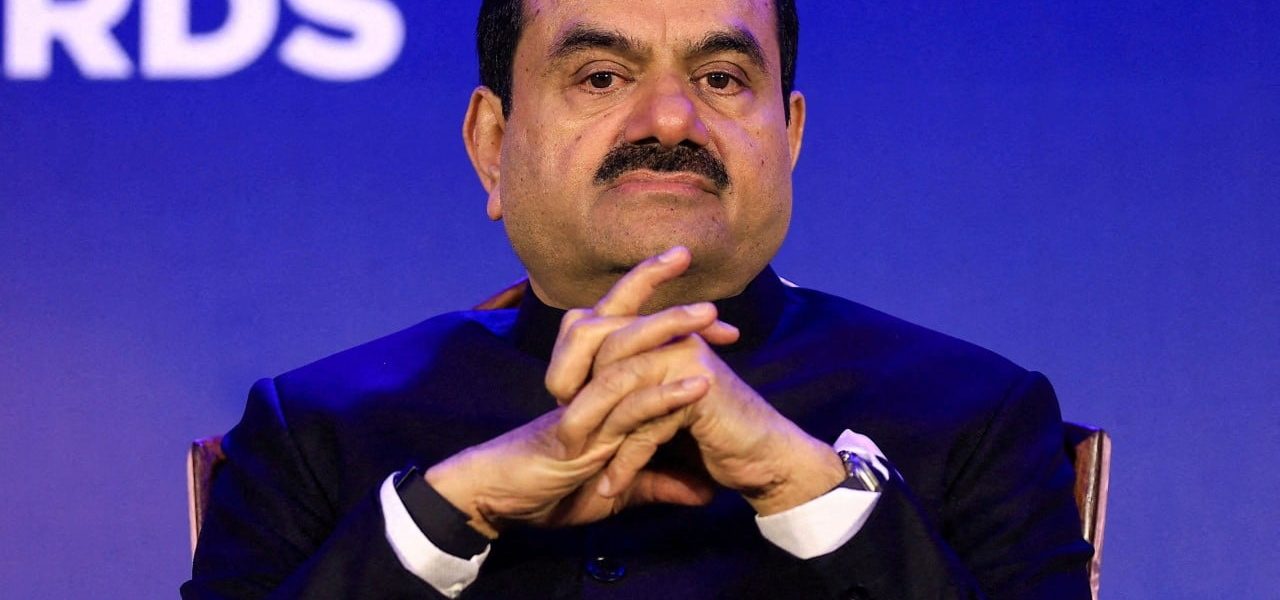
POLICY WIRE — Washington D.C. — You don’t often see an industrial titan, once dubbed the world’s third-richest man, casually shed federal fraud charges. But here we’re. On a Monday that probably felt a lot like vindication in Ahmedabad, U.S. prosecutors quietly—very quietly—asked a judge to dismiss criminal charges against Indian billionaire Gautam Adani. Conspiracy, securities fraud, wire fraud—poof. Vanished. It’s a clean slate for the man who epitomizes India’s sprawling, unapologetic ambition, raising uncomfortable questions about the reach of American justice and the quiet diplomacy that underpins global finance.
Adani, boss of a sprawling conglomerate stretching from ports to power, found himself in a rather sticky wicket in early 2024. He’d been painted as the mastermind behind an elaborate scheme to dupe investors in a mammoth solar project back home. Whispers, then shouts, of massive bribes to ensure the deal’s success clung to him like cheap cologne. It wasn’t a small-time operation; we’re talking about a lucrative arrangement for his own Adani Green Energy and another firm, set to sell gigawatts of solar power. For a while, it looked like American legal might would actually clip the wings of an emerging market giant.
And then, this. A procedural dismissal, framed as a lack of sufficient evidence, or perhaps, a ‘reassessment of prosecutorial priorities.’ That’s how the script usually reads, doesn’t it? It’s not just a technicality; it’s a profound shift, signaling perhaps an unwillingness to pursue a case that might have—let’s be honest—caused more diplomatic turbulence than anticipated. You don’t often see the U.S. Justice Department fold on a high-profile case unless the deck is truly stacked against them, or a different kind of pressure is brought to bear. But Washington has its reasons, even when they’re unstated.
Adani’s colossal enterprises are more than just balance sheets; they’re a mirror to India’s geopolitical aspirations. His financial resurgence, after earlier short-seller attacks, tracks almost perfectly with India’s increasing clout on the world stage. He’s often seen as intimately tied to Prime Minister Narendra Modi’s vision of a self-reliant — and powerful India. But where India thrives, its immediate neighbors often watch with a mix of awe — and trepidation. Pakistan, for instance, grapples with its own economic quagmires and significant foreign debt, looking across the border at a conglomerate that could almost buy out its national grid, then shrug. This dismissal only cements Adani’s image, and by extension, India’s, as a formidable force, both economically and, let’s say, jurisprudentially. It reshapes the perception of risk—or lack thereof—for future global investors eyeing South Asian mega-projects. For those interested in the sheer velocity of wealth accumulation and influence, consider the silent auction of high-stakes gambits elsewhere in the financial world; the game is always being played, just with different players.
“After careful deliberation and reassessment of the available evidence, we’ve determined that pursuing these charges isn’t in the public interest at this juncture, nor does it meet our prosecutorial standards for a conviction,” a spokesperson from the Department of Justice, speaking on background, conceded to Policy Wire, maintaining a dry, official tone that said absolutely everything and nothing at all. Because some battles, even those framed in judicial terms, carry a much heavier political freight.
But from New Delhi’s perspective, it’s all clear sailing. “This dismissal validates what we’ve maintained all along—these allegations were unfounded, baseless, and designed to obstruct India’s progress,” an official close to Adani Group stated, though not for attribution, beaming with what can only be described as satisfied relief. “It’s a clear victory for transparency and justice, affirming the robust compliance standards within our leading enterprises.” A robust affirmation indeed, particularly when the accused is a keystone in a nation’s strategic infrastructure and energy future. It’s hard to ignore that India’s economy, according to the International Monetary Fund (IMF), is projected to grow by an impressive 6.7% in 2024-25, making it one of the fastest-growing major economies globally. Adani’s group, for all its occasional turbulence, remains a significant propeller of that narrative.
It raises a simple question: What does accountability truly look like when you’re operating at a scale that intertwines corporate fate with national interest? When the financial health of one of the world’s most populous nations hangs, in part, on the fortunes of a single individual, the rules often seem to bend. And don’t think for a moment that this doesn’t get noticed in capitals far beyond New Delhi or Washington, particularly across the volatile energy markets of the Gulf states and within the nascent but increasingly strategic economic corridors of Central Asia. Everyone’s watching how a perceived slap on the wrist for one giant influences future dealings and perceived justice—and how those optics affect regional stability.
What This Means
Politically, the dropping of these charges bolsters Prime Minister Modi’s image, positioning him as a leader who can shield India’s industrial champions from international scrutiny. It reinforces the narrative of a confident India, capable of standing its ground even against the formidable U.S. legal system. This outcome could strengthen New Delhi’s hand in bilateral dealings with Washington, adding another layer to the already complex U.S.-India relationship. It’s also a subtle flex toward neighbors—a quiet assertion of India’s burgeoning influence and a demonstration of how deeply interwoven its commercial interests are with its national objectives.
Economically, Adani Group — and its various entities now stand on firmer ground. The cloud of potential legal peril has dissipated, at least in the U.S., which ought to reassure investors who might have been skittish. This development potentially clears the way for more aggressive expansion, both domestically and abroad, particularly in infrastructure, energy, and ports—sectors that are of immense strategic importance to India. For the broader South Asian region, where states like Bangladesh and Sri Lanka also vie for foreign investment, this saga underlines India’s perceived insulation from regulatory setbacks, which could ironically make it both a magnet for capital and a source of competitive tension. It speaks to the ongoing amidst global fractures and regional rivalries; economic narratives are rarely standalone stories. This whole thing paints a picture, not of globalized justice, but of globalized pragmatism, where the consequences of prosecution are weighed against broader diplomatic and economic imperatives. A victory for Adani? Sure. A win for clarity on corporate accountability? Not so much.