


New Mexico’s New Battleground: The State’s Grip on Newborns Raises Alarms
POLICY WIRE — ALBUQUERQUE, N.M. — It’s the rawest moment imaginable, that sliver of existence right after birth. A new life. And then, the state steps in. Not with swaddling blankets or well-wishes,...

POLICY WIRE — ALBUQUERQUE, N.M. — It’s the rawest moment imaginable, that sliver of existence right after birth. A new life. And then, the state steps in. Not with swaddling blankets or well-wishes, but with paperwork, legal mandates, and, often, separation. In New Mexico, that fraught boundary between parental rights and governmental intervention has been drawn with stark new clarity—or perhaps, confusion—around the fragile lives of drug-exposed newborns.
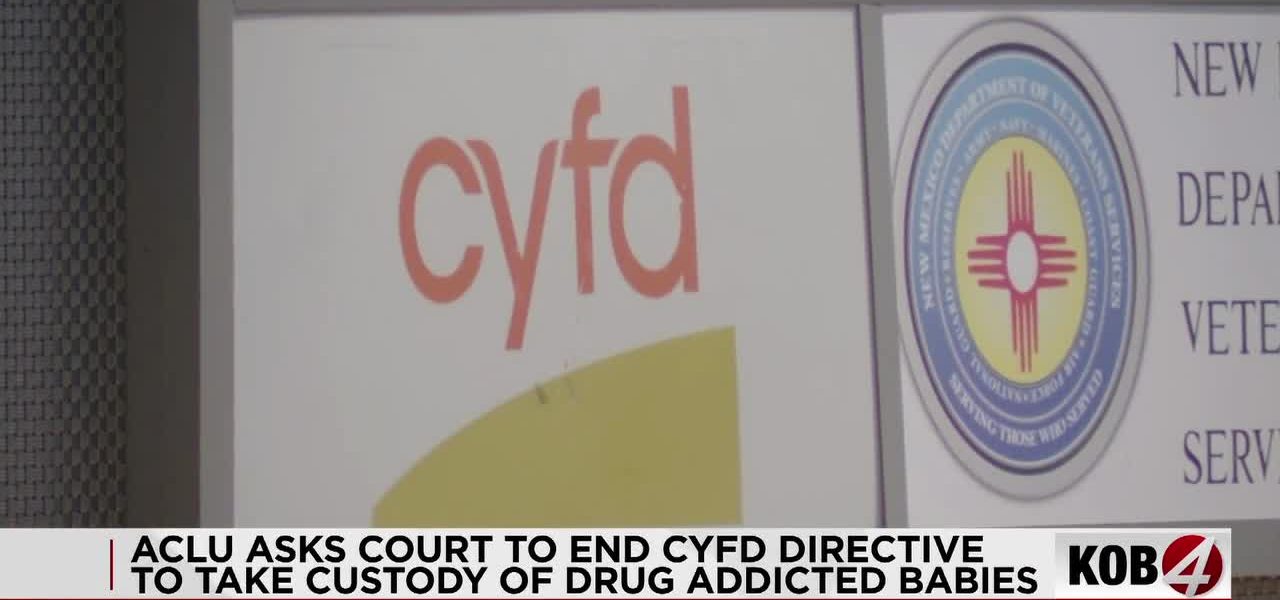
Beginning July 2025, New Mexico’s Children, Youth and Families Department (CYFD) intends to implement a directive so potent, so potentially disruptive, that it’s landed square in the sights of the American Civil Liberties Union. Their target? A CYFD policy that would permit the immediate seizure of babies testing positive for drugs at birth. The policy itself, they say, isn’t just misguided; it’s a profound legal overreach.
State officials aren’t operating in a vacuum, though; let’s be fair. This directive springs from a darker reality: the tragic deaths of at least two infants previously known to CYFD, babies born exposed to illicit substances. Their passing galvanized a desperate search for solutions, for protections. But the question looming over this new policy isn’t about intent. It’s about execution. It’s about a state agency potentially cast as the arbiter of parenthood the moment a child draws its first breath, sidelining due process with administrative zeal.
“We’ve seen what happens when government agencies, however well-intentioned, overstep their constitutional bounds,” states Leonara Chavez, Legal Director for the ACLU of New Mexico. “This policy, as written, allows for the blanket removal of infants without individualized assessment, without affording parents a genuine opportunity to be heard. It presumes guilt, — and that’s just not how justice works in America. It can’t be.” Her words carry the weight of decades of legal battles fought on behalf of the vulnerable, pushing back against the inertia of bureaucracy.
On the other side of this increasingly acrimonious debate stands the state, represented by figures like Attorney General Daniel Ortega, who paints a more grim picture. “The state has an unassailable obligation to protect its most defenseless citizens. When evidence points to immediate, undeniable risk to a newborn’s health and safety—especially following such heartbreaking precedents—we simply can’t wait. The welfare of these children, for us, transcends ideological disputes over process. We’re talking about lives here.” It’s a sentiment difficult to entirely dismiss, fueled by the very real trauma of children lost.
But the ACLU isn’t arguing against protecting children; they’re questioning the sledgehammer approach. They contend that this blanket directive could ensnare countless families, families who, given proper support and investigation, might well be able to care for their children safely. And they aren’t alone. Healthcare professionals express worry that such an aggressive policy might deter pregnant individuals struggling with substance abuse from seeking prenatal care at all—you know, to avoid the immediate separation at birth. That would, perversely, make everyone less safe.
The Land of Enchantment, as it’s often called, has a difficult history with addiction. Indeed, New Mexico ranked fifth nationally in opioid overdose deaths per capita in 2022, according to the Centers for Disease Control and Prevention. That sobering statistic casts a long shadow over the state’s families, making the challenge CYFD faces immense. But it also underscores why broad strokes might fail: each family’s situation, each addiction’s story, is tragically unique.
This conflict echoes broader struggles between state authority — and individual autonomy observed across the globe. Even in societies where collective good often takes precedence, like many communities in the Muslim world—think of deeply rooted familial structures in nations like Pakistan—there’s an inherent skepticism toward governmental bodies disrupting the family unit without extraordinary justification. The principle, though manifested differently, is a universal human right: the family’s integrity is often viewed as a foundational pillar, only to be disturbed in extremis, and with immense caution. What constitutes ‘extremis’ is where the global debate truly begins, — and where New Mexico now finds itself.
Ultimately, this isn’t a skirmish playing out in a county court. The state Supreme Court will hear the arguments, will weigh the trauma of past infant deaths against the foundational principles of due process. And their decision won’t just impact New Mexico; it’ll reverberate, establishing a precedent for how states everywhere handle the heartbreaking confluence of addiction, parenthood, and nascent life. It’s a messy business, this saving of souls, particularly when the state feels it knows best.
What This Means
The state Supreme Court’s impending ruling isn’t just a dry legal pronouncement; it’s a policy earthquake waiting to happen. If the court sides with the state, affirming the CYFD directive, it could empower child welfare agencies across the nation to adopt similar, arguably aggressive, removal policies. We’d see a dramatic shift in the balance of power, expanding the state’s purview into private lives to an unprecedented degree at the moment of birth. For struggling parents, particularly those from marginalized communities already distrustful of state institutions, this could deepen cycles of poverty and disempowerment, making them wary of seeking medical assistance, pushing them further into the shadows. Because if accessing medical help means potentially losing your child without immediate recourse, many simply won’t show up.
Conversely, a ruling in favor of the ACLU would reaffirm critical due process protections. It would compel CYFD—and, by extension, other state agencies—to employ a more nuanced approach, focusing on rehabilitation and support systems for parents rather than immediate separation. Economically, while initial child removals might seem like a swift solution, the long-term costs of increased foster care placements, court proceedings, and the psychological impact on separated families are substantial. Taxpayers foot the bill, not just in dollars, but in the social fabric torn by such interventions. An estimated average cost to care for a child in foster care in the U.S. can range from $1,000 to $4,000 per month, a burden that escalates rapidly with each placement. A measured, thoughtful approach isn’t just more humane; it’s often more financially sound in the long run. This delicate balance of safety and autonomy, of state control versus individual liberty, has wide-ranging implications for social policy and the fundamental nature of the family unit across the board.