


Shadows of Kabul: A Data Breach, Broken Promises, and the Long Echo of Retreat
POLICY WIRE — Washington D.C. — The screen flickered, just a mundane list of names. But for millions, it held the fragile thread of hope, a lifeline out of a nation seized by extremist shadows. Now,...

POLICY WIRE — Washington D.C. — The screen flickered, just a mundane list of names. But for millions, it held the fragile thread of hope, a lifeline out of a nation seized by extremist shadows. Now, that thread is severed, tangled, — and cruelly exposed. Someone screwed up, badly. And it’s not just a file name; it’s a death warrant, handwritten by bureaucratic negligence.
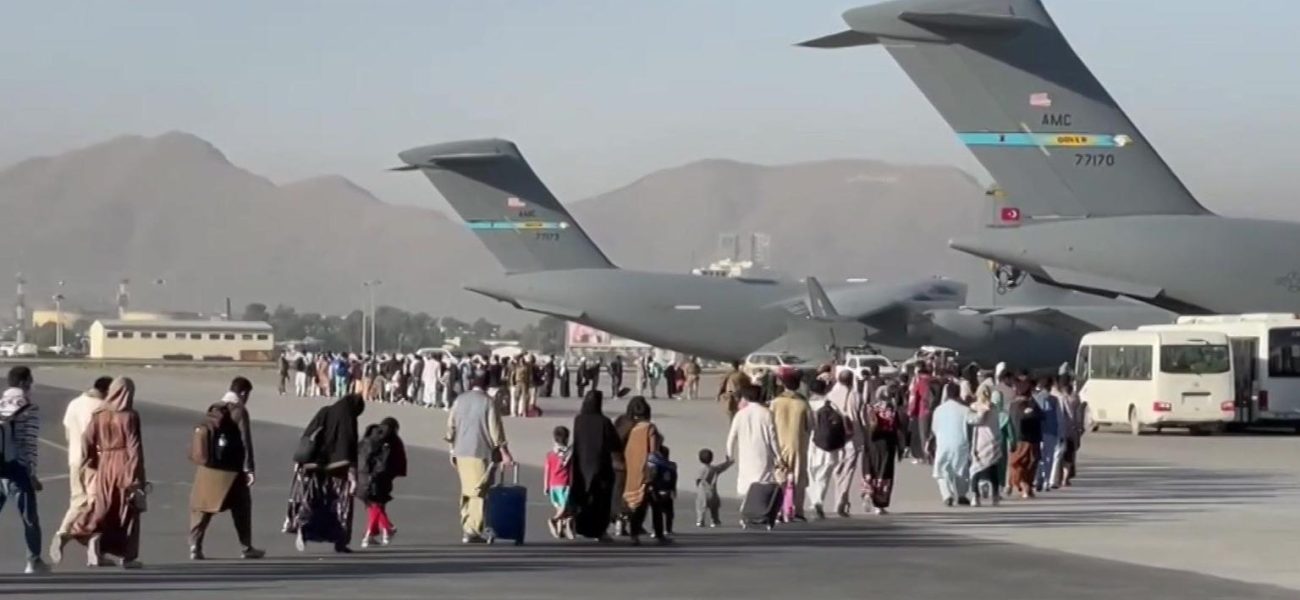
Ask Ahmed, an Afghan interpreter now safe (mostly) in Virginia. His brother isn’t. He’s trapped back in Afghanistan, living on borrowed time, his whereabouts and identity now an open secret among those who seek to silence dissent with violence. Ahmed’s rage? It’s a low hum, a constant static behind every conversation, every mundane moment in his new, ostensibly secure, American life. “They promised us security,” he told me last week, his voice raw, “They made us believe our families would be safe. It was a lie. All of it. A damned lie.” He’s not alone in that bitterness. Millions across Afghanistan — those who dared to hope for a different future — likely feel it too.
The incident? A sprawling data breach. Imagine. Confidential files—names, photos, locations, employment history for those eligible for relocation programs, or worse, for their family members—somehow slipped through the digital fingers of a system designed to protect them. The precise culprit remains blurry, cloaked in jargon — and investigations. Was it an inside job? A sophisticated hack? Or just some poor sap’s unpatched server? We don’t really know, — and frankly, that’s part of the horror. What we do know is that a spreadsheet, meant for internal processing, wound up where it absolutely shouldn’t have: potentially in the hands of the very militants whose return prompted these frantic escape plans in the first place.
It’s not just Ahmed’s family facing this abyss. How many others? Hundreds? Thousands? Because the government’s got a real issue with digital hygiene. According to a 2022 report by Recorded Future, U.S. government agencies were linked to 71 distinct data breaches just the year before, impacting sensitive information. So, yeah, this ain’t exactly a one-off anomaly. This isn’t some rogue operator; it’s systemic rot. It speaks volumes about the priority given to data security, particularly when the lives of vulnerable individuals hang in the balance.
“This isn’t just a technical glitch; it’s a catastrophic betrayal of trust that’ll cost lives,” remarked Representative Sheila Jackson Lee (D-TX), a staunch advocate for refugee rights, in a strongly worded statement from her office. “Washington needs to get its act together, — and fast. The integrity of our promises abroad depends on it.” Her exasperation, frankly, feels justified.
And then there’s the international reaction, muted, of course, because nobody wants to cast stones when their own glass houses are so often susceptible to similar digital vandalism. But privately, many a diplomat has gotta be wondering just how much longer anyone will trust information sharing with agencies that can’t keep a simple Excel file safe. That erosion of trust? It makes everything harder, from counter-terrorism efforts to humanitarian aid distribution, especially in a region already swimming in suspicion.
📄 POLICY WIRE WHITEPAPER PUBLISHED: PAKISTAN'S NATIONAL SECURITY POLICY PRIORITIES
👉 READ BY CLICKING HEREAcross the border, in Pakistan, where millions of Afghan refugees have sought — or been forced into — shelter over decades, this news reverberates with particular dread. The diaspora often depends on fragmented, precarious information networks. Any hint that personal details, painstakingly collected, might be exposed to hostile actors fuels immense anxiety. Imagine being a former Afghan commando now seeking asylum in Islamabad, his entire identity laid bare. That’s a nightmare for anyone in the Afghan diaspora. It makes securing documents, applying for further resettlement, even more dangerous. Pakistan already contends with managing one of the largest refugee populations globally; any fresh threat only complicates an already delicate political and social balance. It isn’t just about computers; it’s about life — and death, lived under a constantly shifting political landscape.
What This Means
The immediate fallout here is grim. For families like Ahmed’s, it means perpetual dread. Every unknown knock, every shadow, becomes a harbinger of doom. But the broader implications stretch far wider. Politically, this incident reinforces the perception, both domestically and internationally, that post-withdrawal commitments to allies and vulnerable populations are, at best, a haphazard mess, at worst, deliberately negligent. It certainly won’t win hearts and minds in the Muslim world, already deeply skeptical of Western sincerity after decades of often-disastrous interventions.
Economically, expect a scramble for cybersecurity upgrades and a fresh round of ‘mea culpa’ budgets, a taxpayer expense stemming from prior shortsightedness. Litigation against the responsible agencies wouldn’t surprise anyone, though accountability often remains frustratingly elusive in these labyrinthine bureaucratic battles. The real cost, however, is human. It’s the chill factor, the unspoken message that trusting international promises can get you killed. That makes future cooperation with local populations in conflict zones—say, during intelligence gathering or counter-insurgency efforts—exponentially harder. Why risk your life, your family’s future, if the information you provide might simply be left out in the open? This breach isn’t just a data problem; it’s a gaping wound in geopolitical trust. And healing that’s going to take a lot more than a software patch.