


Barcelona’s High-Wire Act: From Bicycle Kicks to Bond Issues
POLICY WIRE — Barcelona, Spain — Young Gavi, Barcelona’s fiery midfielder, dreams aloud of a bicycle kick winning the World Cup final. And who can blame him? It’s the stuff of legends,...

POLICY WIRE — Barcelona, Spain — Young Gavi, Barcelona’s fiery midfielder, dreams aloud of a bicycle kick winning the World Cup final. And who can blame him? It’s the stuff of legends, the kind of untainted ambition that fuels a club, and certainly the narratives fans consume greedily. But in the shadow of such grand aspirations, FC Barcelona — that storied institution—is engaged in a financial juggling act that’s far less poetic, more brutal. It’s a tightrope walk over an abyss of past debts and future projections, where €210 million isn’t just money; it’s a bet against tomorrow.
While Gavi’s aerial fantasies dance in the summer air, actual earth-bound contracts get inked. Pere Romeu, the club’s successful Femení coach, just secured his extension, gushing, “I love being able to do my job at my lifetime club.” A heartwarming sentiment, isn’t it? Stability, tradition—all the warm fuzzy stuff. Yet, beneath this veneer of institutional pride, the club’s executives are busy shifting deckchairs, or rather, shifting turf. The Spotify Camp Nou, itself a financial sinkhole — and future revenue promise, is getting new grass. A pristine playing surface for the start of LaLiga. Cosmetic, perhaps, but they’ve got to present a good face, don’t they? That’s just how the game works, on — and off the field.
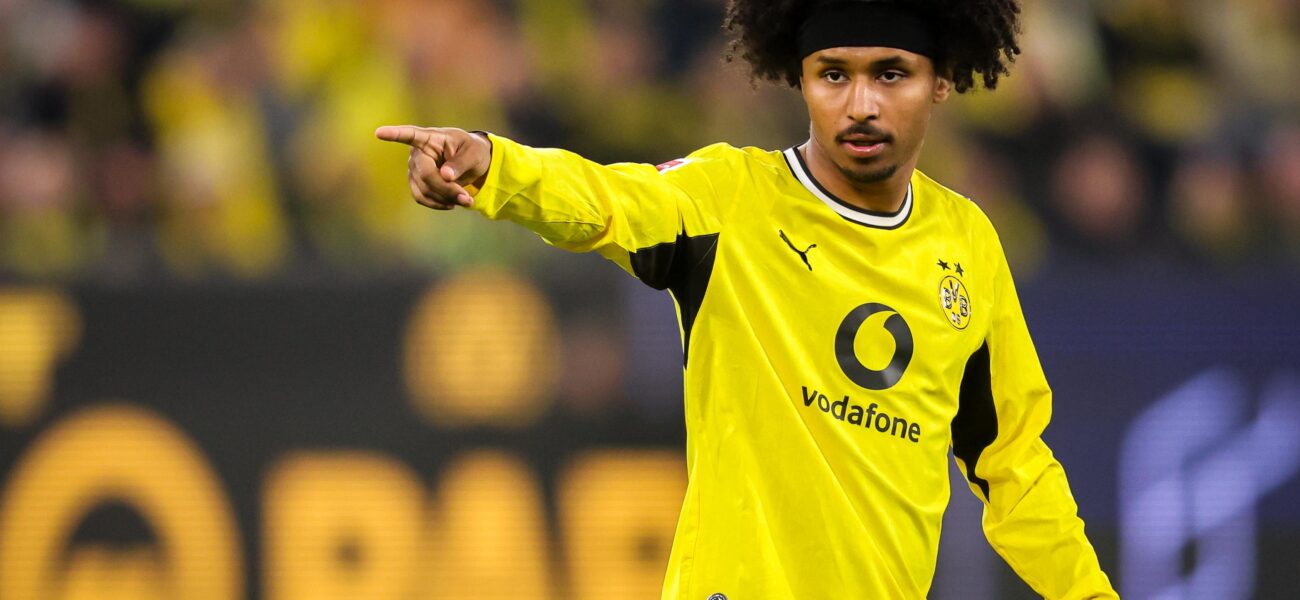
Meanwhile, the eternal hunt for fresh talent continues, albeit with the club’s well-documented constraints. Borussia Dortmund, notoriously tough negotiators, swatted away an initial €20 million offer for German winger Adeyemi. But, tellingly, they’re still willing to talk. This isn’t the free-spending Barça of old; this is a club whose ambition has to be tempered by its balance sheets, its hands often tied by regulations. They want new stars, sure. Everyone does. They just can’t always afford the splashy entrance anymore, needing to bargain down to the last centavo.
Because, well, that money has to come from somewhere. And sometimes, that ‘somewhere’ is the future. Europe’s market turns on a dime, and Barcelona’s approach is to broaden its treasury for new signings via a bond issue of €210 million, effectively an advance against future television revenues. This colossal sum is slated to arrive in two equal tranches: €105 million this July, with another €105 million following in November. That’s a bold gamble, pulling tomorrow’s cash into today’s coffers. It’s a bit like taking out a mortgage on a paycheck you haven’t earned yet, only on a truly staggering scale. Mundo Deportivo, the Barcelona-based sports daily, broke the numbers down for us, highlighting the precarious dependency on income streams that are still years away.
This aggressive financial engineering isn’t just a Spanish football curiosity. It mirrors broader global patterns, you see. Countries in South Asia or the Muslim world, struggling with their own infrastructure projects or public services, often face similar dilemmas, albeit with fewer globally recognized football stars to justify the expenditure. They issue bonds, tap into future revenue streams — be it natural resources or tax collections — to meet immediate needs, hoping growth will outpace debt. The parallels aren’t exact, of course, but the core economic principle of securitizing tomorrow’s income to fund today’s ambition is striking. Football, for all its local fervor, is part of a global financial system that can chew up and spit out entities just as easily as it grants them momentary grace.
Then there’s Pacífico, the Uruguayan defender, returning to Barça Atlètic on loan, but nursing a severe left knee injury. It’s another small but significant financial dent, another player on the books who can’t perform immediately. These aren’t big headlines, perhaps, but they contribute to the drip-drip-drip of costs, creating an undertow against the ambitious narrative the club desperately tries to project.
📄 POLICY WIRE WHITEPAPER PUBLISHED: PAKISTAN'S NATIONAL SECURITY POLICY PRIORITIES
👉 READ BY CLICKING HEREClub President Joan Laporta, ever the optimist, downplayed any financial concerns, saying recently, “Our strategic investments ensure sustained competitiveness, both on the field and in the global marketplace. We’re building for the future, not just living in the present.” A smooth line, but does it truly acknowledge the full picture of the present? The sheer ambition, paired with the precarious financing, paints a rather unique portrait.
What This Means
This latest flurry of activity—the bond issue especially—signifies Barcelona’s deep structural challenge. They aren’t merely competing for trophies; they’re competing to remain solvent and relevant within the global football hierarchy. This advance on television revenue indicates a liquidity crunch and a willingness to mortgage future earnings to stay in the arms race for top talent. Politically, Laporta’s administration faces immense pressure. They must deliver results on the pitch to justify these aggressive financial maneuvers, or face severe repercussions from both fans and financial auditors. Economically, this model relies heavily on sustained broadcast revenues—a stable, even growing, media landscape. Any downturn in sports viewership or media rights valuations would have catastrophic effects, pulling the rug out from under years of careful, or rather, daring, planning. It’s a strategy born of necessity, yes, but also of a certain high-stakes brinkmanship that defines modern global football’s hidden hands. The success or failure of this audacious financial gamble won’t just impact Barça; it will offer a chilling lesson to other storied clubs navigating similar fiscal tightropes.
So, while Gavi keeps dreaming his incredible dreams of bicycle kicks and World Cup glory, the suit-and-tie brigade at FC Barcelona remains mired in the stark realities of asset securitization and high-stakes debt management. One hopes their visions eventually align, because right now, they feel like two different clubs operating in two very different universes.