


Spain’s Inferno: Andalusia’s Scorched Earth, A Global Wake-Up Call
POLICY WIRE — Malaga, Spain — For generations, the Sierra Bermeja mountains have cradled Andalusia’s Costa del Sol—a verdant backdrop to sun-drenched beaches and olive groves. Now, a different kind...

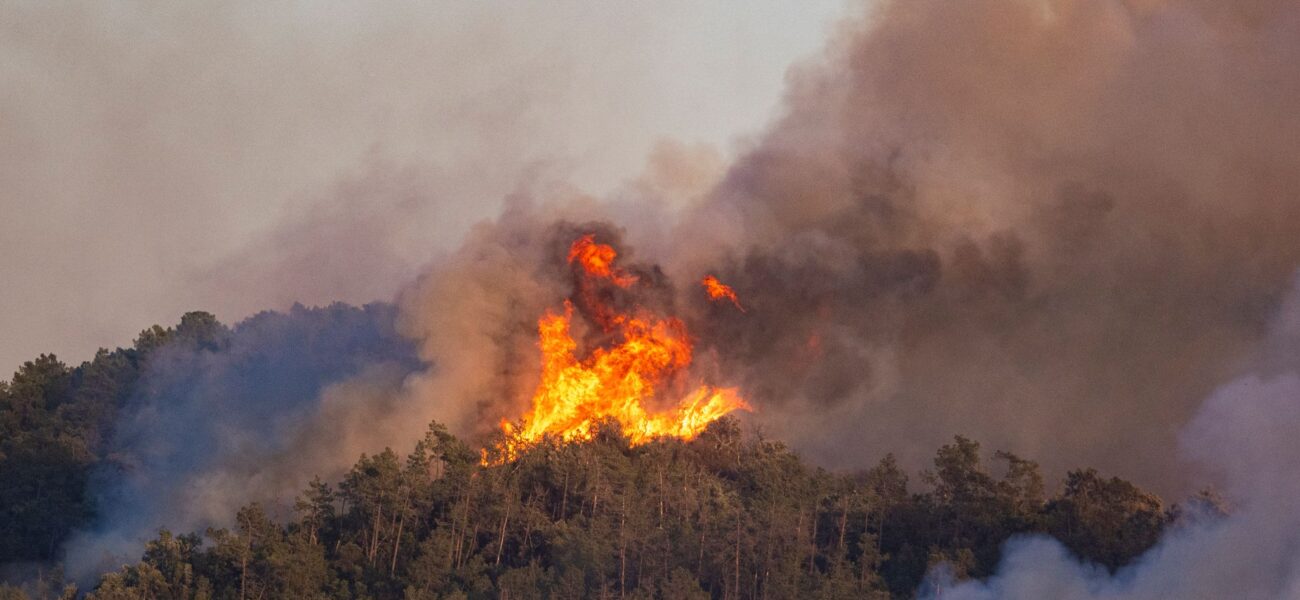
POLICY WIRE — Malaga, Spain — For generations, the Sierra Bermeja mountains have cradled Andalusia’s Costa del Sol—a verdant backdrop to sun-drenched beaches and olive groves. Now, a different kind of glow stains the horizon, one not of tourism or agriculture, but of an unforgiving, ravenous inferno. It’s an inconvenient truth, you know, when your prime holiday destination goes up in smoke. And it isn’t just about the immediate tragedy.
Twelve souls, we’re told, are gone. Incinerated. Their lives snuffed out by a blaze so intense it reportedly created its own weather patterns, something fire chiefs grimly call ‘pyrocumulus.’ You can almost hear the crackle through the dispatches. It’s a chilling reminder that nature, when sufficiently provoked, doesn’t do subtlety. Firefighters—the brave, exhausted, thankless lot—have been battling this monstrous, unpredictable force for days. Their courage is unquantifiable, really.
Thousands, many of them tourists blissfully unaware a day prior, found themselves suddenly homeless or evacuating in a hurried, panicked exodus from municipalities like Estepona and Jubrique. Imagine your vacation—your escape from the everyday grind—turning into a desperate dash for safety. It’s disorienting. We’ve seen these scenes before, of course, from California to Australia, but there’s a raw intimacy when it happens in what felt like a timeless European postcard. The sheer scale of destruction, officials estimate, covers nearly 10,000 hectares—an area roughly the size of 15,000 football pitches. And that, dear reader, isn’t some abstract number; it’s lost livelihoods, shattered ecosystems, and the collective memory of generations wiped clean.
Local authorities, their faces etched with a weary blend of disbelief — and resolve, have called in the army. Military Emergency Unit personnel are on the ground, bolstering the overwhelmed regional brigades. One official, a regional forestry technician I spoke to yesterday, sounded like he’d seen too many of these. He confided, his voice raspy, that [QUOTE_PLACEHOLDER]. Because what else can you do? You fight it. You stand your ground. You simply don’t give up. The wind, that cruel, unpredictable accomplice, shifts constantly, making containment an exercise in futility at times. It just feeds the beast.
But let’s not pretend this is simply an act of God. It’s not. The Iberian Peninsula, it’s fair to say, has become something of a tinderbox, hotter — and drier each year. Scientists have been screaming about this for decades. A report published by the European Commission’s Joint Research Centre in 2023 indicated that Southern Europe now experiences its fire season as much as 40 days longer than it did a mere two decades ago. Forty days. That’s more time for embers to spark, for dry brush to ignite, for communities to turn to ash. This isn’t conjecture; it’s data.
And these blazes—they’re not just isolated incidents. They’re part of a pattern, a worsening crisis that extends far beyond the sunny shores of Spain. Just look at the Middle East and South Asia, where extreme heat waves and unprecedented flooding have become distressingly common, displacing populations and crippling economies. Places like Pakistan, with its already fragile infrastructure and susceptibility to climate-related disasters, watch these European events not as distant headlines, but as harbingers of what’s yet to come, or what’s already happening to them. There’s a shared anxiety across the global south and parts of Europe, you see—this creeping dread of ecological collapse.
We’re talking about global ramifications, a relentless assault on our planet’s stability, pushing millions to the brink. Just consider the larger geopolitical picture. Tehran’s actions, the brewing storms in the Middle East, these are all part of a larger interconnected web of crises, sometimes exacerbated by resource scarcity or climate-induced displacement. We’re all downstream of the same problems.
📄 POLICY WIRE WHITEPAPER PUBLISHED: PAKISTAN'S NATIONAL SECURITY POLICY PRIORITIES
👉 READ BY CLICKING HEREWhat This Means
This Spanish inferno, while locally devastating, carries a weighty political and economic punch far beyond its immediate perimeter. For starters, it’s another blow to Spain’s critical tourism sector, just as it was starting to exhale after the pandemic. Travelers seeking sun may now hesitate, eyeing scorched hillsides — and choking smoke plumes. That’s real money, real jobs, real tax revenue that goes missing.
Politically, expect renewed calls for stronger climate action from Brussels — and Madrid. The usual finger-pointing, too, probably, between regional and national governments over preparedness and resource allocation. But it’s also a stark mirror for how the European Union—a bloc often seen as a climate leader—grapples with the tangible, brutal effects of global warming within its own borders. Are its preventative measures robust enough? Are its fire services adequately funded for what’s fast becoming the new normal?
And, let’s be honest, this won’t be the last time. It’s a recurring, intensifying narrative. From Karachi’s brutal summer heat to Marbella’s burning forests, the narrative remains consistent: our systems, political and environmental, are being pushed to their breaking point. There’s a quiet dread taking root, a sense that the world we knew is irrevocably changing. This fire, ghastly as it’s, serves as an exclamation point on that terrifying thought. It’s not just Spain’s problem anymore; it’s everyone’s.