


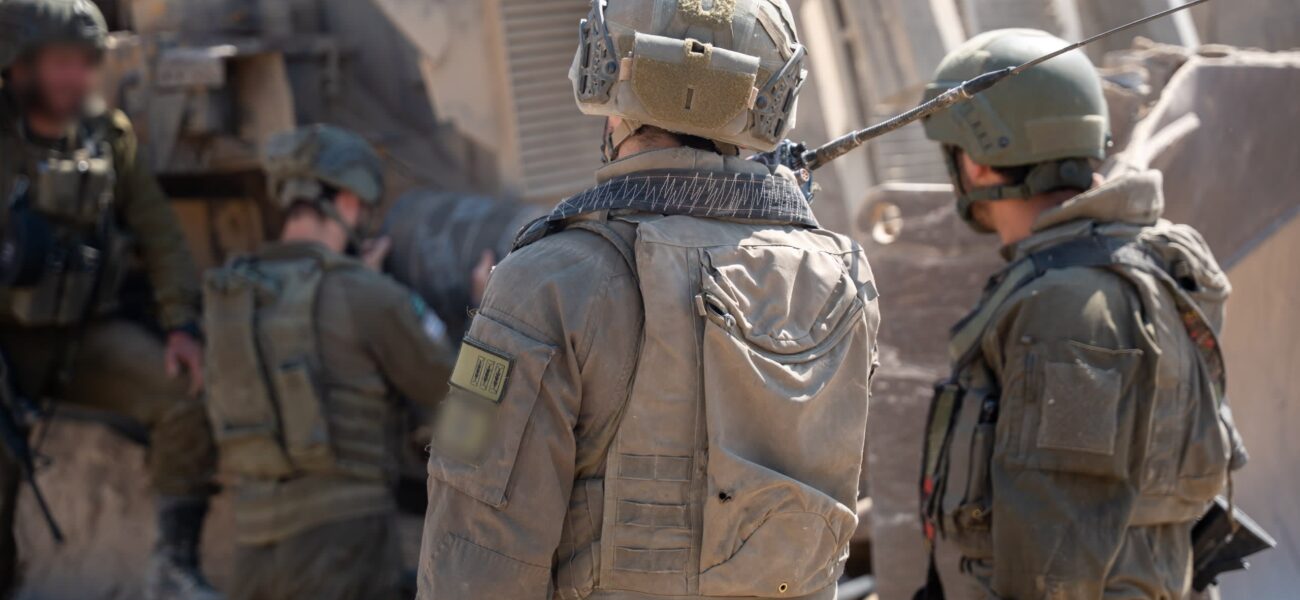
Gaza’s Perilous Calculus: Another Cycle of Retribution as Hamas Commanders Fall
POLICY WIRE — Tel Aviv, Israel — The familiar drone hums over Gaza, a relentless soundtrack to an intractable conflict. Lately, that hum has heralded a series of operations the Israel Defense Forces...

POLICY WIRE — Tel Aviv, Israel — The familiar drone hums over Gaza, a relentless soundtrack to an intractable conflict. Lately, that hum has heralded a series of operations the Israel Defense Forces (IDF) say are surgically striking at the heart of Hamas’s command structure. On paper, it’s a success: twelve alleged militants taken out, among them key architects of the horrific October 7 assaults, according to Israeli military briefings. But what’s achieved on the battlefield often fragments in the realm of lasting peace.
It’s not just a statistic, this latest count of neutralized operatives. It’s another chapter in a grim ledger—a strategy of attrition, the efficacy of which remains hotly debated beyond the immediate strategic gains. Because each reported success in degrading an enemy’s capabilities simultaneously reshapes the very ground on which any future, distant negotiations might someday take root. It’s a bitter truth, isn’t it?
The IDF confirmed its latest wave of strikes targeted high-value individuals, including figures like Mohammad Salamah, reportedly a prominent Hamas leader in the northern Gaza Strip, and other members of what they term the group’s ‘military wing.’ These weren’t random skirmishes; they were, officials claim, precise attacks on individuals deeply implicated in the massacres that shattered Israel’s sense of security just months ago. Brig. Gen. Daniel Hagari, an IDF spokesperson, articulated the military’s posture without prevarication. “We’re not just targeting names; we’re eliminating the apparatus that perpetuates terror. These operations aren’t just retributive; they’re defensive, preventing future atrocities,” he asserted, framing the operations as a necessity.
And therein lies the core conundrum. For every official narrative of deterrence and justice, there’s a counter-narrative, often amplified across the broader Muslim world, painting these actions as further fuel for grievance and radicalization. But doesn’t this relentless targeting of leadership, however justified by the horrors of Oct. 7, invite yet more retaliatory cycles? You’ve got to wonder.
Pakistan, a nation often grappling with its own complex security landscape and deeply sensitive to developments in the Muslim world, has frequently expressed strong condemnation of the ongoing hostilities. Pakistan’s Minister of Foreign Affairs, Senator Mohammad Ishaq Dar, whose country maintains no diplomatic ties with Israel, has been consistent in his rhetoric regarding the situation in Gaza. In a recent statement, albeit referring to the wider conflict, he remarked, “The targeting of individuals, even those alleged of heinous acts, within a besieged territory, raises profound questions about proportionality and international law. These cycles of violence breed despair and instability across the region, jeopardizing any prospect for genuine resolution.” Such sentiments resonate deeply from Islamabad to Istanbul, reflecting a widely held perception of a fundamental injustice unfolding.
📄 POLICY WIRE WHITEPAPER PUBLISHED: PAKISTAN'S NATIONAL SECURITY POLICY PRIORITIES
👉 READ BY CLICKING HEREThe economic ramifications, too, extend far beyond the immediate war zone. Think about how regional stability—or the lack thereof—impacts investment, trade routes, and even global energy prices. A report from the United Nations Conference on Trade and Development (UNCTAD) earlier this year estimated that Gaza’s economy had contracted by over 80% in the immediate aftermath of the renewed conflict, with projections of catastrophic long-term effects. These aren’t just abstract figures; they represent shattered lives — and demolished livelihoods. And this economic devastation, it’s a powerful driver of future conflict.
What This Means
The elimination of senior Hamas figures undoubtedly deals a tactical blow to the group’s operational capacity, at least in the short term. It scrambles command structures, potentially disrupting immediate plans for attacks or defense. For Israel, it fulfills a strategic objective: demonstrating its resolve to hunt down those responsible for Oct. 7 and eroding Hamas’s leadership cadre. That’s a political win, surely, for a government under intense domestic pressure. However, the political calculus beyond the tactical gains is far more ambiguous.
Historically, the decapitation of militant leadership often leads to fragmented command, a new generation of leaders emerging—sometimes more radicalized—or a decentralization that makes future engagement even harder. It also intensifies humanitarian crises — and civilian suffering, which in turn fuels anti-Israel sentiment globally. For Pakistan and other Muslim-majority nations, every airstrike, every targeted killing, complicates their own diplomatic maneuvering and exacerbates domestic public anger, which leaders ignore at their peril. The constant, gnawing violence undermines efforts for any regional de-escalation, drawing further attention away from other pressing issues. It’s a trap, isn’t it? A loop that feeds on itself, making diplomatic bridges harder to build, harder to even imagine. The current strategy, while addressing immediate security concerns, doesn’t seem to offer a discernible path to a sustainable endgame. It mostly ensures more of the same, only hotter, bloodier, — and with even more intractable consequences.