

New Mexico’s Blistering Balance: Heat, Hype, and the Ghost of Floods
POLICY WIRE — Albuquerque, N.M. — The high desert sun isn’t just baking the asphalt; it’s cooking nerves. This week, residents aren’t merely facing another stretch of summer;...

POLICY WIRE — Albuquerque, N.M. — The high desert sun isn’t just baking the asphalt; it’s cooking nerves. This week, residents aren’t merely facing another stretch of summer; they’re grappling with a perverse duality. Sweltering, near-100-degree Fahrenheit temperatures promise bone-dry conditions, yes. But then comes the twist: a legitimate threat of sudden, raging flash floods across much of New Mexico. It’s a meteorological riddle wrapped in an environmental enigma – an acute local problem that really, really speaks to a much bigger, nastier global narrative.
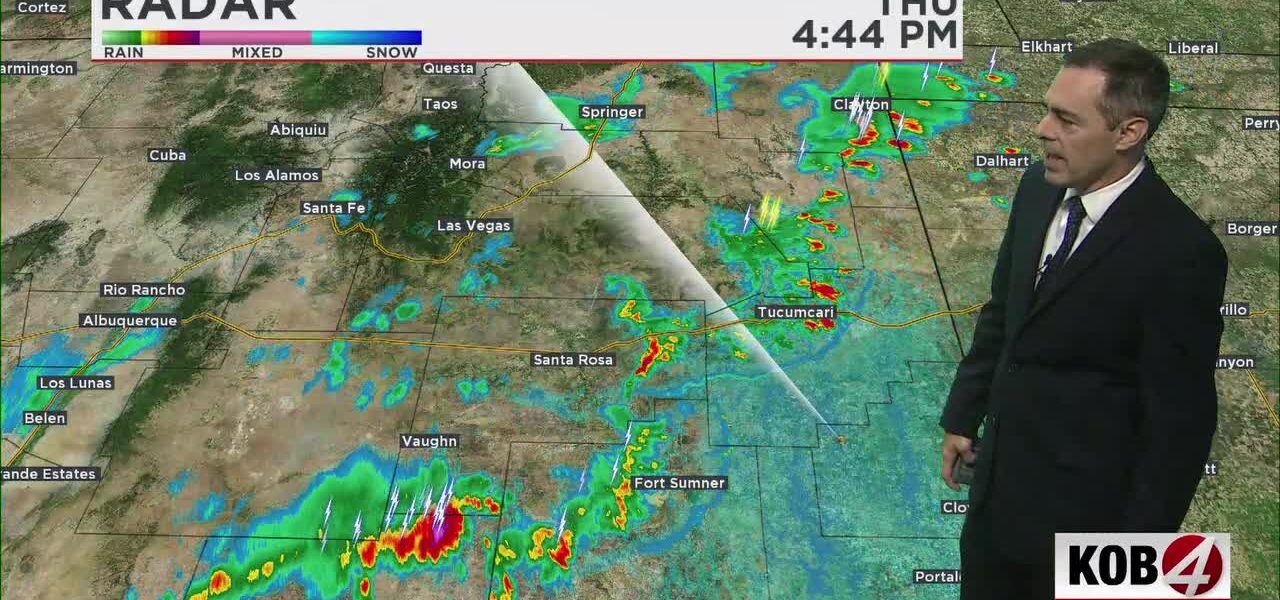
Down in Albuquerque, it’s pushing a hundred degrees. Just east, up into Union County, things feel a little more unpredictable. Thunderheads bloom. Afternoon showers — some severe, it’s gotta be said — are developing in patches, mainly the northeast and southwest quadrants. Those storms, seemingly a blessing in this relentless heat, carry a low risk of severity. And, unfortunately, they’re dragging along a nagging threat of flash flooding. Particularly in the low-elevation regions, where the air sits like a brick and offers no respite, things feel pretty dicey.
It’s a peculiar brand of summer misery, this particular forecast. You want rain; you get a deluge that rips through already scarred landscapes. You crave relief; you’re handed oppressive heat advisories that feel less like a warning and more like a dire prediction of a not-too-distant future. The Four Corners area, where Friday brings its own flavor of hellish temperatures – pushing 103 degrees in some spots – isn’t getting off easy either. It’s a relentless, simmering siege, one that changes complexion moment to moment.
But how did we get here? For decades, scientists have been mumbling about climate shifts. Now, we’re not just mumbling; we’re staring the beast in the eye. Since the 1970s, New Mexico’s average temperature has reportedly risen by over 2 degrees Fahrenheit, according to the National Oceanic and Atmospheric Administration (NOAA). It doesn’t sound like much, does it? Just two degrees. But that small shift ripples outwards, exacerbating drought conditions, drying out vegetation, and then, in a cruel twist, turning ephemeral desert washes into raging rivers the moment a storm finally breaks.
Because the burn scars – vast swathes of land where wildfires have stripped away all protective flora – don’t absorb water. They just shed it. Rapidly. This makes them fertile ground (pun intended, kind of) for catastrophic flash floods. And there’s a low-to-moderate risk of exactly that every single day. For residents sensitive to heat or those simply without reliable AC, it’s more than an inconvenience. It’s a clear and present danger.
Governor Michelle Lujan Grisham, never one to mince words, put it bluntly: “We’re past the point of casual summer weather in much of the state. We’ve dedicated significant resources to emergency preparedness, but personal responsibility — hydration, staying informed — is more important than ever.”
It’s not just a government problem, either. Down in Isleta Pueblo, Chief Fred Vallo Sr. reflected on the changing patterns. “Our elders speak of hotter summers, yes, but not like this. Not these sudden, violent downpours right after weeks of oppressive heat,” he said, his voice etched with generations of experience. “It’s a different kind of anger from the sky, and we’ve got to learn its new language quickly.” His community, like many others across the region, isn’t just observing the weather; they’re living its consequences firsthand, navigating a world that seems to be changing too quickly for comfort.
It isn’t an isolated incident. This sort of climatic whiplash, the seesaw between arid extremes and sudden destructive wetness, mirrors patterns we’ve seen in places like Pakistan, which has faced its own catastrophic, climate-induced flooding, affecting millions, devastating crops, and displacing entire communities. The difference, often, isn’t the phenomenon, but the scale.
📄 POLICY WIRE WHITEPAPER PUBLISHED: PAKISTAN'S NATIONAL SECURITY POLICY PRIORITIES
👉 READ BY CLICKING HEREWhat This Means
This localized drama in New Mexico isn’t just about meteorology; it’s a proxy battleground for broader political and economic dilemmas. The repeated stress on the state’s infrastructure – roads washed out, power grids strained by ceaseless air conditioning demand – is an unbudgeted headache for policymakers. Resources that should be earmarked for schools or economic development get diverted to emergency services. We’re talking about potentially hundreds of millions of dollars just reacting to what nature’s throwing our way. This isn’t theoretical, it’s impacting citizens directly.
Politically, these recurring crises force a conversation — a grudging one, sometimes — about climate adaptation. What do you tell ranchers when their wells run dry one year — and their pastures are submerged the next? How do you fund resilient housing for those without adequate cooling or living near vulnerable waterways? It quickly becomes an economic question, a fairness question, even. Insurance premiums spike; outdoor recreation, a key economic driver for the state, suffers. It’s a mess.
But the broader implications resonate far beyond the Mesilla Valley. Look at the devastating floods that have ravaged Pakistan repeatedly, displacing millions, washing away infrastructure, and exacerbating food insecurity. Or the record heatwaves currently gripping parts of South Asia and the Muslim world, making agricultural work impossible and challenging basic human survival. These seemingly disparate events – a flash flood risk in New Mexico, an epic monsoon in Islamabad – aren’t unrelated. They’re symptoms of a global system in flux. They remind us, with brutal efficiency, that climate instability isn’t a problem for some faraway future. It’s here, now. It’s demanding attention, resources, and a serious reckoning with how we plan – or fail to plan – for the planet’s evolving temper tantrum. It isn’t just the desert heat we’re struggling to comprehend. It’s the new reality, unyielding — and unwelcome. One which seems to be accelerating rather than receding. And, frankly, we’re not sure how much more we can take. No easy answers anywhere on the horizon, it seems.