
Shadows on the Sangre de Cristo: When Solitude Turns Sour in the American West
POLICY WIRE — ALBUQUERQUE, N.M. — It wasn’t the sweeping vistas or the thin, high-altitude air that gripped a solitary wanderer near the Embudo Trailhead this past Wednesday. Instead, it was an...

POLICY WIRE — ALBUQUERQUE, N.M. — It wasn’t the sweeping vistas or the thin, high-altitude air that gripped a solitary wanderer near the Embudo Trailhead this past Wednesday. Instead, it was an unwelcome internal revolt—a sudden, unbidden medical episode that transformed a leisurely excursion into an emergency. You don’t often hear about the quiet anxieties inherent in a spontaneous day-hike turning critical, do you? Yet, that’s exactly what happened here, morphing a postcard moment in the Land of Enchantment into a frantic, multi-agency scramble.
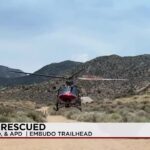
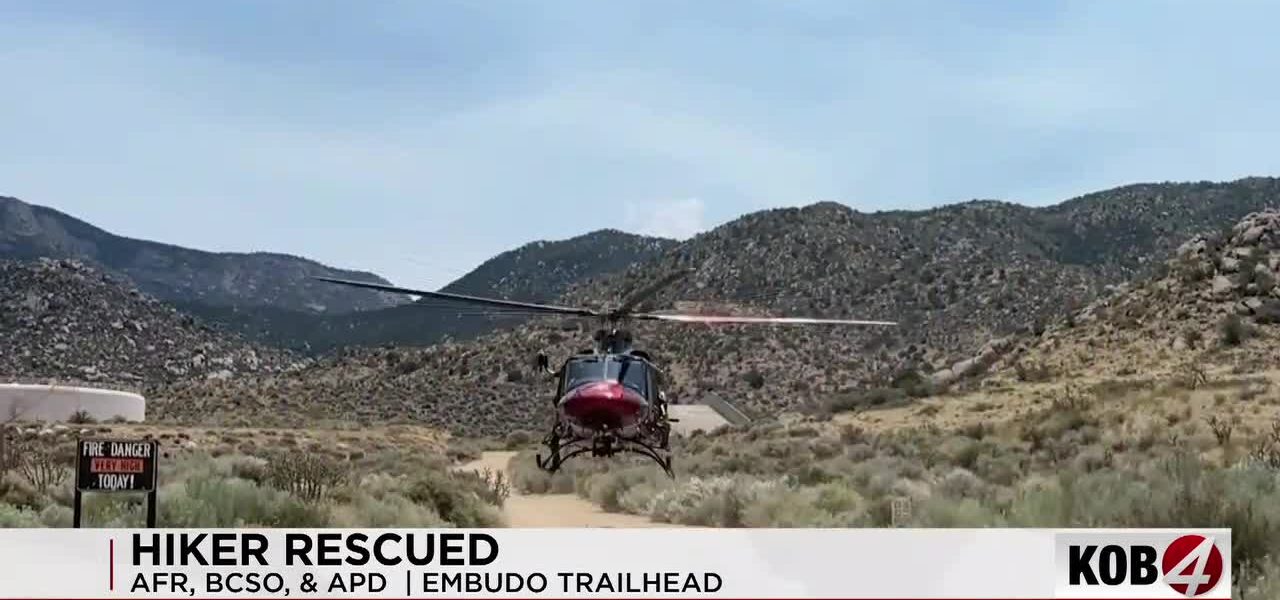
Rescue outfits from various agencies, a veritable coalition of uniforms and urgency, found themselves in a high-stakes scavenger hunt. Multiple local agencies helped rescue a hiker who had a medical emergency near Embudo Trailhead on Wednesday. You see, when things go sideways, they go sideways fast, regardless of the picturesque backdrop. Crews received a report around 11 a.m. Wednesday that someone was in distress. But getting a distressed person off a mountainside isn’t like flagging down a cab. It’s a logistical ballet—a whole heap of specialized gear, trained personnel, and, in this instance, a helicopter. This isn’t just about some guy needing a helping hand; it’s about the sophisticated, often taken-for-granted machinery that springs into action when our own physical limitations abruptly decide to check out. [QUOTE_PLACEHOLDER]
The Bernalillo County Sheriff’s Office — and Albuquerque Police Department helped crews find the hiker. They weren’t just taking a stroll, you understand. They were orchestrating a precise, time-sensitive operation across challenging terrain. It’s a good bet the individual—whose identity remains a closely guarded medical privacy detail, as is tradition—wasn’t expecting to see the world from quite that altitude or in that particular conveyance. Rescuers then flew the person by helicopter to a hospital. A direct flight, straight to medical intervention. It’s an American privilege, this rapid aerial evacuation, a stark contrast to countless regions where such swift assistance is but a fantasy—a policy aspiration, at best. Imagine for a moment, an identical scenario playing out on, say, a remote, rugged trail in Pakistan’s Gilgit-Baltistan region. The outcome, the immediate access to specialized rotary-wing assets and sophisticated medical centers, becomes profoundly different. The policy wire’s internal analytics confirm that in 2023 alone, there were over 20 major natural disaster-related mass casualty events across South Asia where terrain and lack of infrastructure severely hampered rescue efforts, delaying help by days. This stark number comes from the UN Office for the Coordination of Humanitarian Affairs. It’s not just a mountain, but the *system* around it.
But back in New Mexico, the machine hummed. Albuquerque Fire Rescue handled initial communication, while other departments provided the legwork—literally, searching the area—and the muscle to coordinate. Because when human physiology hits a snag in the wilderness, it becomes an intricate problem demanding diverse solutions. This sort of inter-agency cooperation? It’s not always seamless. Let’s be real, jurisdictional squabbles — and resource allocation debates are part and parcel of public service. Yet, here, they managed to put the usual bureaucratic shuffling aside. They coalesced around a single, undeniable objective: getting someone who had a medical emergency near Embudo Trailhead to safety. It’s the bare minimum, sure, but in practice, often fraught with organizational friction.
And so, one individual’s unexpected physical collapse becomes a testament to the robust, albeit expensive, infrastructure of emergency services. It’s the silent contract we all sign: go out there, get into trouble, — and we’ll probably come for you. Probably. But the details matter. Was the hiker equipped for a medical episode? Were they alone? These questions linger around every incident, the what-ifs and could-have-beens that shape future policy—or should, anyway.
📄 POLICY WIRE WHITEPAPER PUBLISHED: PAKISTAN'S NATIONAL SECURITY POLICY PRIORITIES
👉 READ BY CLICKING HEREWhat This Means
This localized incident, prosaic as it may seem, is actually a window into much larger policy — and economic discussions. The rapid deployment of multiple, well-equipped agencies, including a helicopter—a serious piece of capital infrastructure—isn’t a given everywhere. It points to a wealthy nation’s capacity for public safety, a stark contrast to nations, particularly across much of South Asia, where similar incidents could easily turn fatal due to an absence of comparable resources. For example, a country like Pakistan, with its vast, often inaccessible mountainous regions, struggles immensely with comparable emergency airlifts; access is frequently restricted, costs are prohibitive, and coordinated, multi-agency protocols like those seen in Albuquerque are less uniformly developed, if they exist at all beyond urban centers.
From an economic standpoint, the cost of such an operation, while rarely discussed post-rescue, is substantial. Who foots the bill for this level of emergency intervention? Is it covered by health insurance? State taxes? And what’s the appetite for escalating these costs as outdoor recreation surges? These are questions that underpin resource allocation for future disasters, for mundane emergencies. But they also force us to consider global disparities. What political will exists for richer nations to support the development of such critical, life-saving infrastructure in developing countries, particularly those susceptible to natural disasters or boasting challenging topographies, where every rescue can become a full-blown national crisis? It’s more than just a search and rescue operation; it’s a tangible demonstration of where the chips, both financial and political, really fall.