


Diplomatic Pragmatism: How Alliance Contributions Quieted Trump’s NATO Ire
POLICY WIRE — Madrid, Spain — It wasn’t the steadfast declarations of democratic values that smoothed things over, nor a quiet appeal to shared history. It appears that a specific kind of...

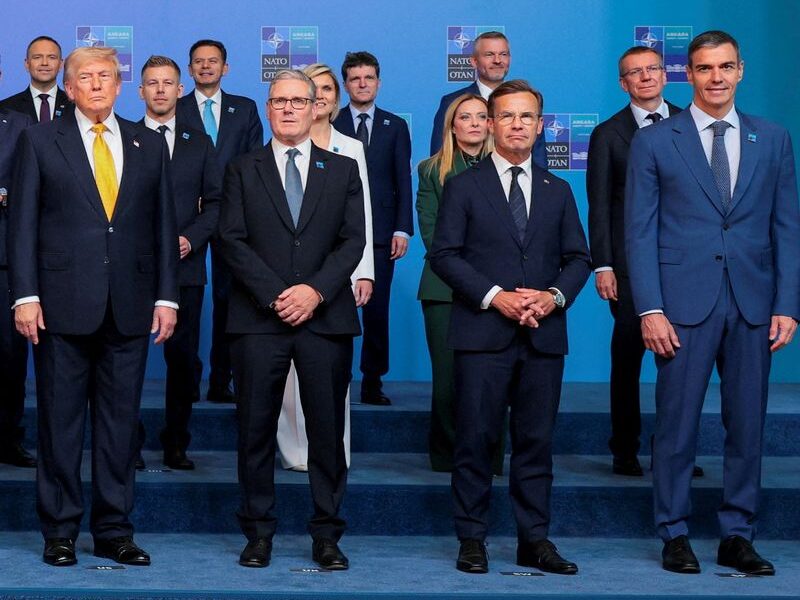
POLICY WIRE — Madrid, Spain — It wasn’t the steadfast declarations of democratic values that smoothed things over, nor a quiet appeal to shared history. It appears that a specific kind of accounting—cold, hard figures representing defense spending—proved far more persuasive. Spain, a cornerstone of European stability and a critical southern flank for NATO, managed to temper some familiar bluster not through eloquent rhetoric, but by reportedly laying bare its financial cards.
It’s a peculiar dynamic, this high-stakes performance review of international friendships. Former President Trump, known for his somewhat unvarnished assessment of alliance members, had, we’re told, adopted a gentler tone towards Spain after getting a lowdown on their military commitments. Imagine it—a powerful nation, chastising allies, only to pivot when presented with the receipts. You don’t need a degree in international relations to get what’s going on here; it’s about quid pro quo, plain and simple.
For years, the chatter surrounding NATO contributions has often felt like an exasperated parent reminding a teenager to clean their room. The alliance’s long-standing guideline calls for members to dedicate at least 2% of their Gross Domestic Product (GDP) to defense spending. While a fair few nations have struggled to meet that mark, particularly in Europe, Spain’s alleged demonstration of its contributions seems to have cut through the noise, at least for a moment. This isn’t just about raw cash, though; it’s about showing up, keeping your word, and not being a freeloading tagalong—at least in some people’s eyes. It’s what many might call, not unjustly, transactional diplomacy, a cornerstone of the American approach during those years.
And it gets you thinking about how security gets quantified. Spain’s military presence in the Mediterranean, its contributions to multinational deployments, its commitment to naval operations—these aren’t abstract concepts. They represent real costs — and real commitments. Because it’s not always about grand pronouncements, is it? Sometimes, it’s about submarines, special forces, or simply cutting a check for shared air patrols. That practicality often dictates how powerful nations perceive your usefulness, or your worth. The numbers, they speak volumes. This sort of pragmatic give-and-take, it’s really the engine behind a lot of international engagement. Just consider the complex dance happening around strategic maritime routes or Iran’s cryptic curtain on regional security.
Across the globe, similar calculations happen all the time. Think about Pakistan. Situated in a geo-strategically vital but deeply complex region—bordering Afghanistan, Iran, and an increasingly assertive India—Islamabad’s military contributions and security commitments aren’t just for show. They’re central to its relationships with global powers. For years, Pakistan has been a major non-NATO ally of the US, often receiving security assistance that hinged on its role in counter-terrorism or regional stability. Its engagement in UN peacekeeping missions, for instance, represents a concrete, if often overlooked, contribution to global security, albeit with its own domestic and economic costs. Such contributions aren’t always seen through the same 2% of GDP lens as NATO, but they certainly play a part in how these countries are assessed by the West. Pakistan’s strategic utility—whether against the Soviets in the 80s or in the post-9/11 War on Terror—often determined the warmth, or coldness, of its diplomatic ties with Washington. The game’s the same, the players — and currencies just change.
So, what did Spain reveal to switch the mood? Was it increased defense spending? A larger pledge for alliance operations? Specific contributions to a given mission? We don’t have all the specifics here, but the core takeaway feels pretty stark: alliances aren’t built on sentiment when transactional leaders are at the helm. They’re built on tangible assets. It’s almost as if they said, [QUOTE_PLACEHOLDER] — and the other side listened. You’ve gotta earn your spot, apparently.
📄 POLICY WIRE WHITEPAPER PUBLISHED: PAKISTAN'S NATIONAL SECURITY POLICY PRIORITIES
👉 READ BY CLICKING HEREBut the pressure is really still on. According to NATO’s own reporting, only a minority of its 31 members were projected to meet or exceed the 2% defense spending target by 2023. This leaves quite a few nations short of the mark, and potentially vulnerable to similar pointed commentary from US leadership. It’s a perennial topic, an annual ritual of diplomatic discomfort for some.
What This Means
This incident—this subtle shift in a former leader’s public stance—pulls back the curtain on how geopolitical leverage truly works in some corners. It’s not just about historical alliances; it’s often about current accounts — and active contributions. Economically, it shows that for smaller (but still significant) European economies, prioritizing defense spending can act as a crucial diplomatic lubricant, potentially warding off political attacks and maintaining goodwill with a critical, if unpredictable, ally. Nations can’t afford to merely exist within an alliance; they’re expected to justify their membership with palpable investments. It’s an incentive to spend more, sure, but also a stark reminder that loyalty can be fickle.
Politically, it highlights the enduring impact of a transactional foreign policy vision. When a leader prioritizes immediate, quantifiable returns over long-term strategic relationships or shared values, other nations quickly learn to speak that language. They’ve got to. It suggests that a new administration in the U.S., regardless of party, might continue to evaluate allies not just on their democratic bona fides, but on their fiscal responsibility to collective defense. And it signals to countries outside the immediate European sphere, say, nations engaged in crucial India’s shifting ground and other global hotspots, that their security cooperation with the U.S. will likely always be weighed against very tangible benefits — and contributions, real or perceived. It’s a game where the scoreboard is always visible, even if the rules keep changing.