


The Grim Calculus of Conflict: Ukraine’s East Endures Routine Horror Amid Fading Global Roar
POLICY WIRE — Pokrovsk, Ukraine — The sky didn’t exactly fall in Pokrovsk yesterday; it just… thudded. And then shrieked. Then thudded again. A familiar, guttural rhythm that locals here now...

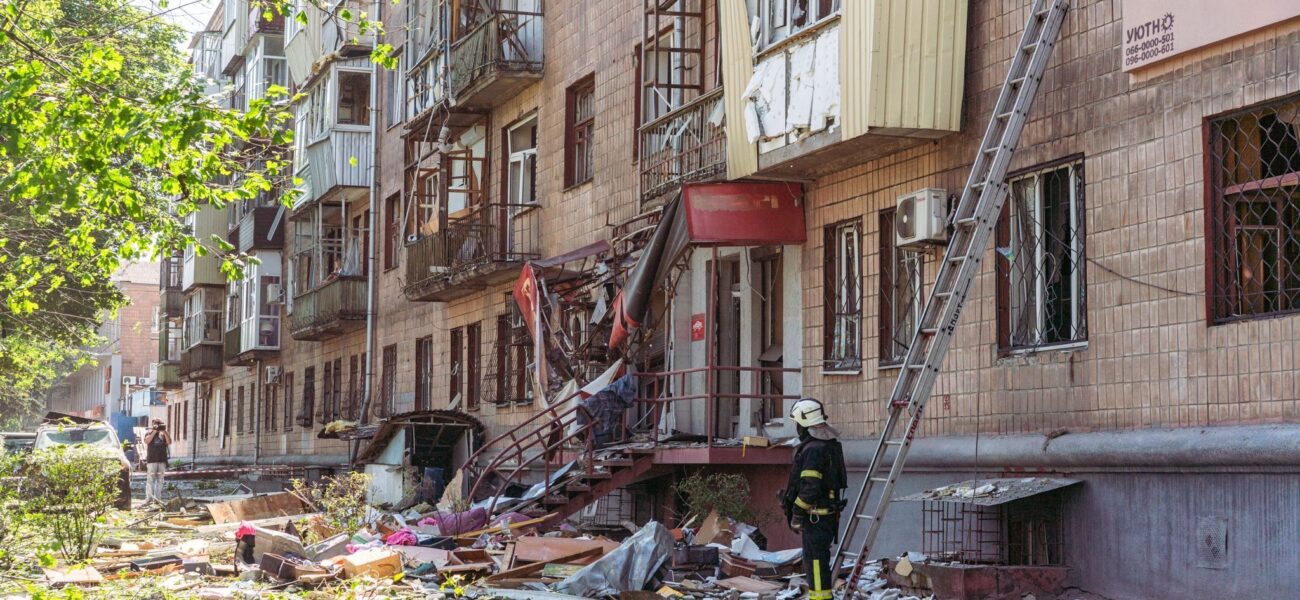
POLICY WIRE — Pokrovsk, Ukraine — The sky didn’t exactly fall in Pokrovsk yesterday; it just… thudded. And then shrieked. Then thudded again. A familiar, guttural rhythm that locals here now distinguish with the weary expertise of wine connoisseurs – Is that an S-300? Grad rockets? artillery?—even as their homes crumble around them. But while the latest bombardment tore through apartment blocks and a bus station, claiming at least five lives, it didn’t register as particularly extraordinary. That, perhaps, is the truly chilling headline.
It’s become a grinding routine, hasn’t it? A horrifyingly predictable choreography of destruction playing out across Ukraine’s embattled eastern front. Five people dead, a dozen wounded. It’s a tragic statistic, yes, but one that increasingly slips past the international conscience, competing for attention with TikTok trends and cryptocurrency fluctuations. There’s a banality to the brutality now; an exhausted shrug that wasn’t there in the initial, shocking days of Russia’s full-scale invasion.
Because every day, it’s something. Lysychansk, Kramatorsk, Selydove—names that barely register for most, yet they’re where lives unravel, dreams get obliterated. A mother here, a child there. Just gone. The dust still hasn’t settled from the last assault, but everyone knows the next one’s already on its way. What’s truly absurd is how everyone just gets on with it. Life, such as it’s, persists. Farmers still tend fields peppered with shell casings; shops reopen, albeit with plywood facades where windows used to be. It’s a surreal, dark resilience.
Oksana Horban, the Deputy Mayor of Pokrovsk, didn’t mince words after inspecting the latest wreckage. She never does. “We’re not just fighting an army; we’re battling apathy,” she told Policy Wire, her voice raspy, weary. “Every shattered window, every lost life—it’s a plea to the world, isn’t it? And sometimes, it feels like we’re screaming into the void.” And maybe she’s right to feel that way.
Of course, the Kremlin’s line remains steadfast, almost serenely detached from the rubble. Oleg Serebrian, a well-known Kremlin spokesperson, reiterated Moscow’s position with practiced ease when queried on the latest casualties. “Our operations target legitimate military objectives. Civilian casualties are a tragic, but unavoidable, consequence of Ukrainian forces embedding themselves within residential areas,” he stated. Convenient, isn’t it? A tidy way to sweep away accountability with a puff of strategic rhetoric.
But the numbers tell a different story. A grimmer one. According to data compiled by the United Nations Office of the High Commissioner for Human Rights (OHCHR), over 10,000 civilians have been killed in Ukraine since the full-scale invasion began in February 2022. It’s a raw, staggering figure, a constant drumbeat of human tragedy that, if we’re honest, we’ve probably grown too accustomed to.
📄 POLICY WIRE WHITEPAPER PUBLISHED: PAKISTAN'S NATIONAL SECURITY POLICY PRIORITIES
👉 READ BY CLICKING HEREThe incessant conflict in Ukraine isn’t just a regional headache. It ripples outward, reshaping global geopolitics — and redirecting resources and attention. It’s hard to ignore a full-blown war on Europe’s doorstep, yet the constant grind means other international flashpoints sometimes recede from immediate view. This persistent instability, for instance, arguably adds pressure to regions like the Middle East and South Asia, making delicate diplomatic processes—like those involving Pakistan’s mediation in US-Iran relations—even more precarious and subject to sudden shifts in the global strategic calculus. A protracted, unresolved conflict here doesn’t just drain coffers; it drains hope for stability everywhere.
What This Means
This endless barrage in eastern Ukraine signifies several unsettling truths about the current state of this conflict and broader global affairs. Militarily, it underscores a Russian strategy that prizes attrition over dramatic breakthroughs, wearing down Ukrainian defenses and civilian resolve through sheer, brutal repetition. Politically, it signals a stalemate. Neither side possesses the immediate capability for a decisive victory, trapping millions in a zone of perpetual combat and suffering. The Kremlin is betting that Western resolve will fracture under the economic strain and donor fatigue, particularly as other global crises compete for shrinking budgets and diminishing empathy. For Ukraine, it’s a desperate plea for sustained assistance, a plea that’s getting harder to hear over the din of other international clamors.
Economically, the constant targeting of infrastructure, even ostensibly non-military sites, aims to destroy Ukraine’s economic capacity, forcing more displacement and creating a nation reliant on external aid for its very survival. And that puts a colossal strain on its allies. The human cost? It’s immeasurable, but it’s fostering generations marked by trauma, a burden Ukraine will carry long after the last shell drops. Because while we might forget the daily death toll, the people living through it don’t. They can’t. They’re too busy just trying to make it to tomorrow.