


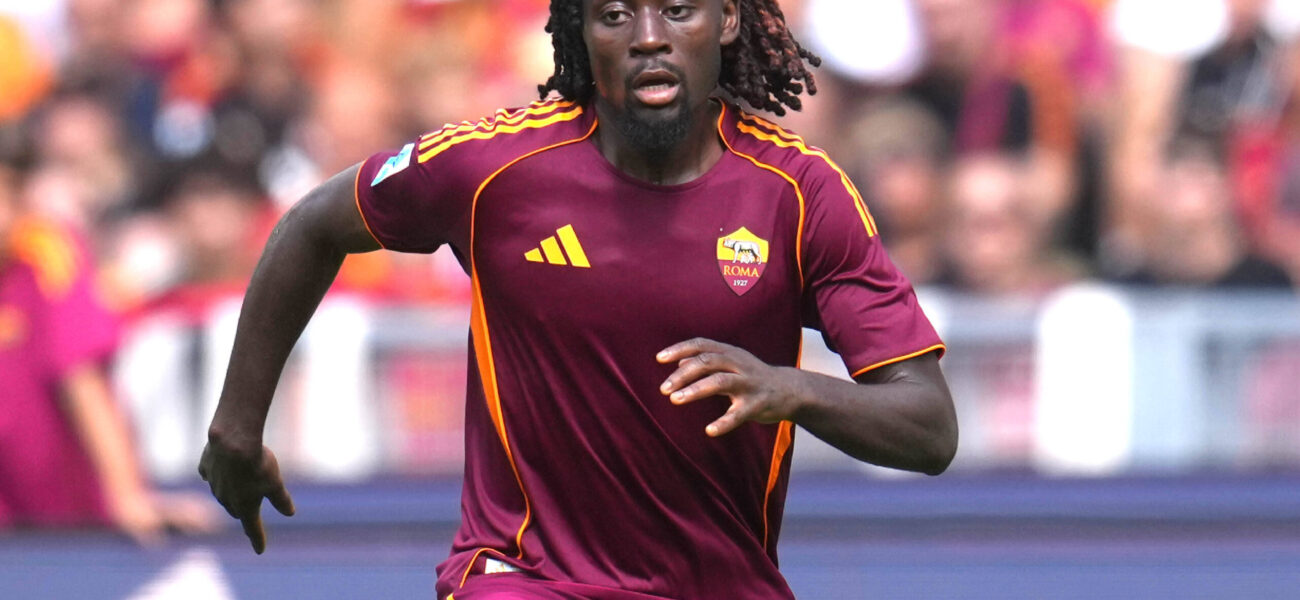
Red Devil Reshuffle: Manu Kone, Roma’s £50M Financial Expediency, Looms Large for Manchester United
POLICY WIRE — London, UK — Football, they say, is a game of two halves. But the modern transfer market? That’s a grim contest of accounting spreadsheets, geopolitical maneuvering, — and...

POLICY WIRE — London, UK — Football, they say, is a game of two halves. But the modern transfer market? That’s a grim contest of accounting spreadsheets, geopolitical maneuvering, — and desperate club coffers. So, when word hit the wire that Manchester United was accelerating its pursuit of Roma’s midfield linchpin, Manu Kone, the whispers weren’t just about tactical fits. They were about the silent hum of UEFA regulations and the financial tightropes clubs like Roma now traverse just to keep the lights on.
It’s not often the selling club’s predicament dictates a star player’s price tag, but here we’re. Roma, despite a respectable season that landed them Champions League football (that much is true, oddly enough), finds itself in an unenviable position. Europe’s financial fair play rules – or whatever latest iteration they’ve concocted – compel player sales. And young Kone, by all accounts, has become the prize pig. Their most ‘valuable saleable asset,’ as some financial chaps put it. You can almost hear the accountants rubbing their hands.
Manchester United, for their part, aren’t exactly doing charity work. This pursuit signals a broader, more purposeful overhaul at Old Trafford, a place where transfer windows have often felt less like strategic planning and more like a scavenger hunt. Having already shelled out a combined sum of approximately £85 million for Atalanta’s Ederson and Chelsea’s Andrey Santos – numbers confirmed by sources in the TEAMtalk report – the intent is clear: they want new blood, and they want it yesterday. But this time, it’s blood of a very specific, adaptable type.
Kone, a 25-year-old French international, fits the bill perfectly. He’s what they call ‘elastic’ in modern football parlance, capable of being a brick wall in front of the defense or a relentless engine powering forward. He played 37 times for Roma last season, chipping in with a couple of goals — and three assists. But it wasn’t the goal tally that drew attention; it was his work rate. His sheer athletic force and tidy footwork were apparently what caught European eyes during his France World Cup stints. And clubs like United, they notice such things. Especially when the cost-to-capability ratio begins to make sense, particularly after ‘dream targets’ like Aurelien Tchouameni faded into fantasy.
But the transaction goes deeper than just athletic attributes. Roma, a storied club with a fervent fanbase, isn’t keen on selling their best players. But they’ve to. And that, ladies — and gentlemen, is where the steel hits the cold, hard cash. “We’re navigating a very complicated financial landscape, where past decisions dictate current necessities,” one senior Serie A club official, who wished to remain unnamed, conceded in an exclusive chat with Policy Wire. “Qualifying for the Champions League offers some breathing room, yes, but it doesn’t magically erase the red on the ledger. Sometimes, to grow, you must prune your strongest branches.”
United, coming off another season of underperformance by their own lofty, often delusional, standards, appears to be adopting a refreshingly coherent strategy. “We’re not chasing headlines anymore; we’re building a team,” remarked a Manchester United football operations executive, speaking anonymously due to ongoing negotiations. “We’ve identified key profiles that bring athleticism, technical consistency, and, honestly, a hunger for modern football’s demands. Kone embodies that. He’s not just a signing; he’s a statement about our strategic shift towards sustainable competitiveness.” Because, really, what else are they supposed to say?
The reported £50 million valuation feels substantial, yet surprisingly manageable for a player of Kone’s pedigree in today’s inflated market. Especially when you consider he’d come in roughly a year after Roma snagged him for under £20 million. That’s good business, on Roma’s end, and a strategic, if expensive, acquisition for United, particularly when other avenues closed and the English market inflated prices for local talent. And Kone, according to the rumor mills, is quite keen on an English Premier League adventure. Imagine that: a player actually *wants* to play in Manchester. Go figure.
Intermediaries, ever present and ever persuasive, have reportedly been buzzing around Man Utd, Arsenal, Chelsea, Manchester City, and Liverpool, spreading the gospel of Kone’s availability and enthusiasm. This isn’t just window shopping anymore; this is a clear ‘for sale’ sign, visible from Istanbul to Lahore, where Premier League fervor rivals local passions. Clubs understand that the global fan base – particularly in rapidly growing markets across South Asia and the wider Muslim world – hinges on consistently competitive teams with identifiable stars. That’s a serious commercial driver, not just sporting ambition, feeding into the astronomical transfer fees that underpin the global game’s intricate financial webs.
What This Means
The potential transfer of Manu Kone speaks volumes about the shifting economics and strategic priorities within elite European football. For Roma, it’s a stark reminder that even success on the pitch isn’t enough to sidestep UEFA’s increasingly stringent financial oversight. Their imperative to sell a key asset, even after Champions League qualification, underscores the precarious balancing act many top clubs now face between sporting ambition and economic reality. It’s a delicate dance, always. They aren’t unique, but they’re a vivid example. This sort of transactional urgency can make or break transfer windows, pushing players to clubs that can absorb their wages and fees, rather than necessarily the best sporting fit.
For Manchester United, Kone’s arrival would signal a distinct strategic departure from their past, often erratic, recruitment patterns. It suggests a focused approach to reconstructing a midfield that has too long lacked cohesion, resilience, and tactical intelligence. This isn’t a vanity signing; it’s an operational imperative designed to plug gaping holes — and offer versatility. It’s a calculated risk in a market where few guarantees exist, but one informed by specific needs and a presumed long-term vision from the INEOS ownership. Ultimately, this deal, if it happens, reinforces the idea that even in the glamour of European football, hard financial constraints often write the most compelling narratives, defining legacies as much as on-field heroics. Money talks, darling. And it screams.