


Silent Waters: New Mexico Lake Claims Lives Amidst Holiday Revelry
POLICY WIRE — LOGAN, N.M. — While many across the United States were lighting fireworks and grilling burgers this Fourth of July, the serene surface of Ute Lake in eastern New Mexico harbored a grim,...

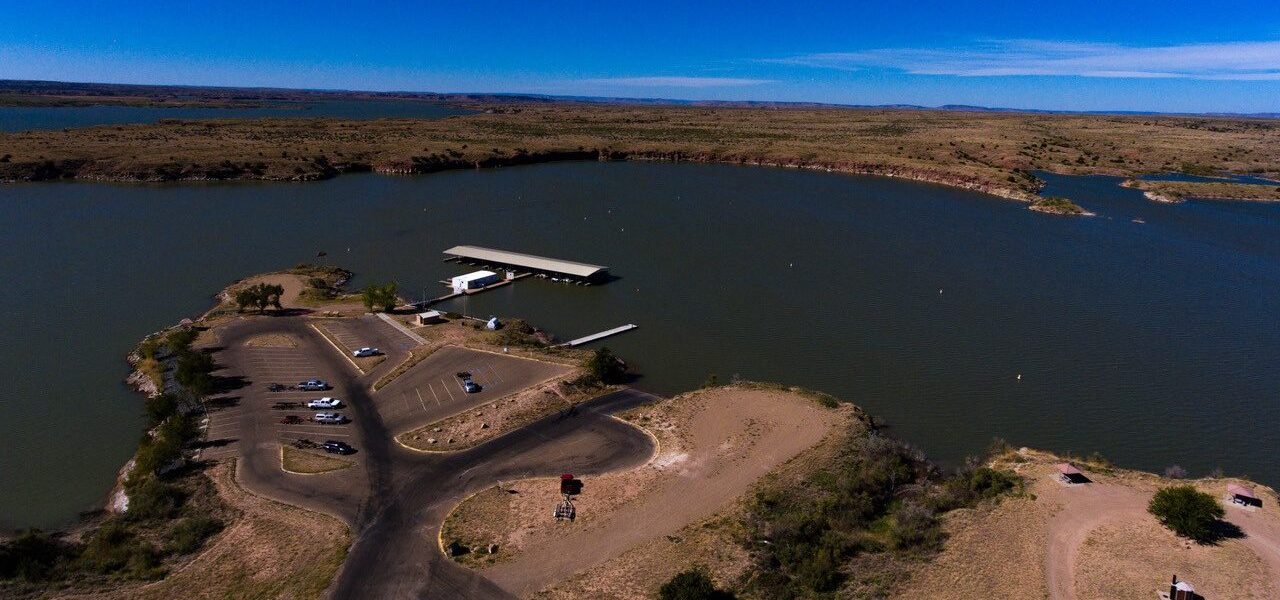
POLICY WIRE — LOGAN, N.M. — While many across the United States were lighting fireworks and grilling burgers this Fourth of July, the serene surface of Ute Lake in eastern New Mexico harbored a grim, silent efficiency. No parades, no patriotic anthems—just the methodical, heart-wrenching work of emergency services pulling bodies from the water. Two lives, extinguished within hours of each other, offer a sobering counterpoint to a nation’s annual revelry, making one pause to consider the invisible toll of our leisure pursuits.
It began as many such stories do, with an alarm. New Mexico State Police “received a call Fourth of July evening about a man who had been swimming but hadn’t resurfaced.” It’s a chilling simplicity, isn’t it? One moment, enjoyment; the next, disappearance. But this wasn’t the full extent of the weekend’s cruel turn. [QUOTE_PLACEHOLDER]
The following day brought another urgent summons to the lake. “Then, the next day, they were called to the lake after receiving reports of a drowning after a man fell from the boat.” You see, water doesn’t discriminate. Whether by unseen currents or a sudden, careless slip, its embrace can turn deadly in an instant. This second tragedy didn’t wait for the first to be fully processed, a brutal echo in the holiday’s fading light.
Law enforcement confirmed the grim task had commenced early on Monday morning. “Monday morning, they recovered the body of the man who fell off the boat.” A small measure of closure for one family, perhaps. But closure, much like hope, can be agonizingly protracted. “However, they were still looking for the other man as of Monday afternoon.” Imagine that, searching an entire lake, hoping against fading light and dwindling odds. The relentless, often thankless “investigation is ongoing”—a boilerplate phrase that hardly conveys the exhaustive human effort involved.
The arid lands of New Mexico, much like other dry regions globally, often elevate the status of their lakes to almost sacred oases. Water bodies like Ute Lake become magnetic during peak recreational seasons, drawing throngs desperate to escape the heat. And that very concentration of humanity on and around water, often coupled with festive (read: sometimes less-than-sober) conditions, inherently multiplies the risks. The U.S. Centers for Disease Control and Prevention (CDC) reports that approximately 4,000 unintentional drowning deaths occur each year in the United States, an average of 11 drowning deaths per day. Those aren’t just statistics; they’re individuals.
Consider nations like Pakistan, where the Indus River and its vast canal system, though the lifeblood of agriculture, similarly claim lives with a terrifying regularity. Drownings in South Asia, whether in flooded rivers during monsoon season or crowded recreational spots, carry the same heartbreaking weight as those here in the American Southwest. Oftentimes, in rural areas, formal water safety education is practically non-existent. There, the “investigation is ongoing” becomes a permanent lament, a shrug of resignation in the face of nature’s raw power and human vulnerability. They don’t have enough resources, sometimes, to even track these numbers comprehensively, let alone intervene effectively. But, in affluent nations, the tragedy remains, a dark stain on otherwise sunny holiday plans.
It’s easy to dismiss these incidents as isolated accidents. But are they? Or do they hint at a broader challenge – one that perhaps extends beyond simple “boating safety” pamphlets. Maybe it’s about personal responsibility – knowing your limits, understanding the water’s capriciousness. It could also involve public infrastructure – more vigilant patrolling, clearer hazard signage, or improved safety gear accessibility. We often take water, even when we understand its danger, for granted, don’t we?
What This Means
The double drowning at Ute Lake – though seemingly a localized incident – reverberates with broader implications concerning public safety, resource allocation, and the politics of leisure. Economically, such events can deter tourism, particularly if they become associated with a general perception of hazard, impacting small-town economies reliant on seasonal visitors. the extensive recovery operations, often involving multiple state agencies, represent a tangible financial cost to taxpayers. Think about the personnel hours, equipment deployment, — and forensics – it’s all taxpayer money. For regions grappling with tight budgets, like much of New Mexico has historically (see New Mexico’s Tax Cut Showdown), these unexpected demands strain already thin resources.
Politically, incidents like these frequently trigger calls for increased regulation or greater investment in public safety infrastructure, often putting local and state governments in a tricky spot. They’ve to balance individual liberties (the right to recreate) with the imperative to protect public well-being, all while avoiding the accusation of a “nanny state.” These situations force leaders to consider what responsibility the state truly bears for recreational activities, especially when alcohol or inexperience becomes a factor. In Muslim-majority nations or developing countries, the conversation shifts slightly; there, water safety might be linked more directly to community self-reliance and faith-based practices, or simply seen as an inescapable facet of life around treacherous natural elements, a “fate of God” interpretation – very different cultural lenses applied to the same human vulnerability. But here, the expectation is always intervention, always a “fix.”
It serves as a stark reminder that even in planned, developed recreational areas, the unpredictable elements of nature, combined with human error, can shatter holiday cheer in an instant. And this – the unvarnished truth – is what Policy Wire continues to track. It isn’t just about politics or economics; it’s about the often-unseen consequences that ripple through communities, quietly shaping policy debates long after the headlines fade.