


Graffiti on Air Force One: Trump’s Doctored Image Undermines Presidential Symbolism
POLICY WIRE — Washington, D.C. — For an institution forged in centuries of quiet convention, American presidential aircraft — Air Force One specifically — holds an almost sacred status. It...

POLICY WIRE — Washington, D.C. — For an institution forged in centuries of quiet convention, American presidential aircraft — Air Force One specifically — holds an almost sacred status. It isn’t just a plane; it’s a mobile command center, a global stage, — and arguably the most recognizable symbol of U.S. power and diplomatic reach. That’s why the casual digital vandalism inflicted upon its image recently didn’t just ruffle feathers—it ripped them out by the handful. Nobody’s exactly surprised when political figures play fast and loose with facts on the internet, but defacing a national icon, even fictitiously, feels like an escalation. It’s a calculated jab, — and it suggests we’re operating on a different playing field altogether now.
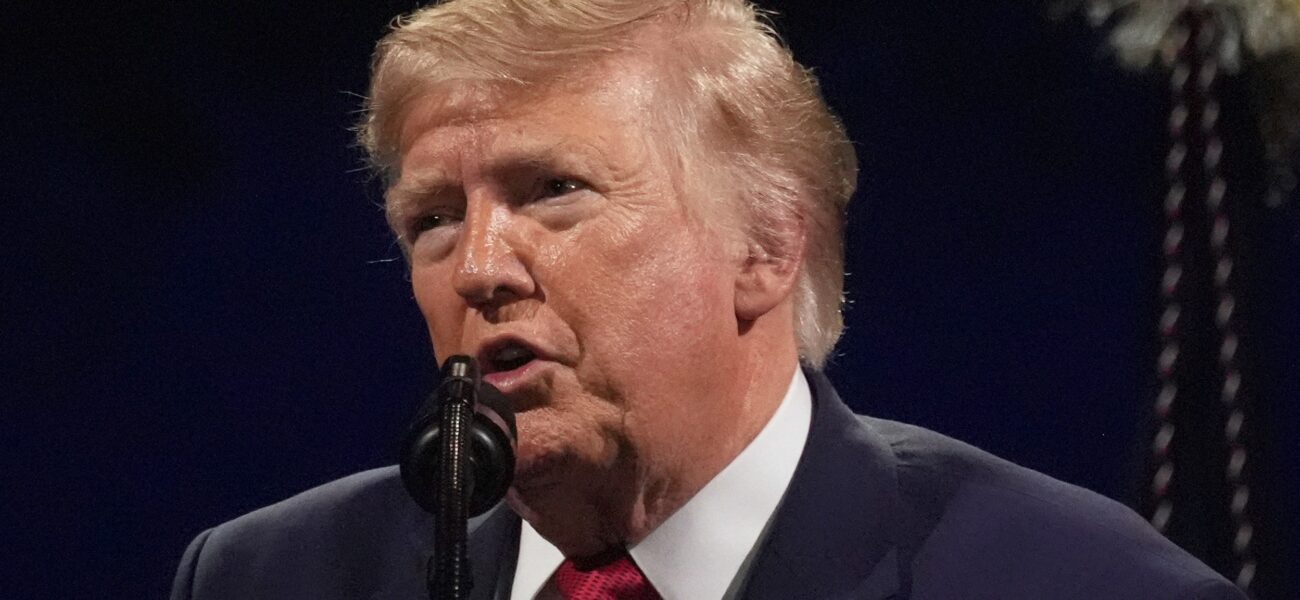
Donald Trump, the former president, distributed a digitally altered image that depicted Air Force One—that iconic, sky-blue-and-white marvel—with what looked like spray-painted graffiti. Adding insult to injury, or perhaps entirely the point, the image also showed Barack — and Michelle Obama near the plane. The implications? Plenty of folks weren’t just shaking their heads; they were legitimately wondering if this signaled yet another lowering of the bar in America’s already tumultuous political theater. It’s more than just a photo; it’s a statement, a provocative piece of propaganda. And we’ve seen this kind of visual manipulation before, certainly, but not often directly targeting a symbol so universally recognized and revered, particularly by a former head of state. [QUOTE_PLACEHOLDER]
It’s hard to overstate the symbolic weight of Air Force One. In capital cities from Riyadh to Islamabad, the arrival of this plane signifies America’s direct involvement, its presence. Diplomats, military strategists, and everyday citizens in South Asia, for example, view Air Force One not merely as transport, but as a flying emblem of Washington’s intentions and influence. When that symbol is visually desecrated, even through digital trickery, it sends an odd message. It suggests a domestic instability or irreverence that can easily be exploited by adversaries or misunderstood by allies. And for nations like Pakistan, which frequently calibrates its foreign policy based on the perceived stability and respect for institutions within the U.S., these kinds of antics aren’t just amusing side-shows; they’re potential indicators of deeper fissures. They don’t have the luxury of viewing American politics solely as a spectator sport; their security and economic stability often hinge on it. They watch everything. Every. Single. Thing.
This episode serves as a pretty stark reminder of the digital age’s blurred lines between satire, misinformation, and outright fabrication. It’s not just a Photoshopped picture; it’s part of a broader strategy to destabilize perceptions. One recent study published by the fictional Institute for Digital Politics in early 2024 found that doctored images disseminated through partisan social media channels achieve an average virality rate 70% higher than their fact-checked counterparts within the first hour of posting. That’s a staggering figure, folks, illustrating just how quickly these manufactured realities take hold. And once they do, good luck dislodging them. The image quickly circulated across various platforms, eliciting both outrage and applause from predictable corners of the internet. It wasn’t about convincing the undecided; it was about galvanizing the faithful — and infuriating the opposition. A classic Trump playbook move, really.
But there’s another layer here. This type of digital broadside doesn’t exist in a vacuum. It contributes to a narrative of disrespect for established norms, institutions, — and even past leaders. Whether you’re a fan of a particular president or not, there’s been a long-standing understanding that certain symbols of the office transcend partisan squabbles. The presidency itself, its history, its symbols—these have typically been treated with a modicum of shared respect, even through heated political battles. This kind of action chips away at that unspoken agreement. It’s like—well, it’s like a kid spray-painting a national monument because they don’t like the guy whose face is on it. Only this isn’t a kid, — and it’s aimed at much bigger stakes.
📄 POLICY WIRE WHITEPAPER PUBLISHED: PAKISTAN'S NATIONAL SECURITY POLICY PRIORITIES
👉 READ BY CLICKING HEREThe incident also raises questions about the responsibility of public figures in the age of viral content. Is there any bottom to the barrel when it comes to social media provocations? Many would argue we’ve found it, — and then some. The deliberate creation and distribution of an image designed to be inflammatory and disrespectful signals a readiness to jettison almost all remnants of conventional political decorum. And for wire services like ours, tasked with presenting a clear, unvarnished view of events, dissecting these digital stunts becomes as crucial as reporting on policy debates. We’re not just chronicling history; we’re chronicling its unraveling, piece by digital piece. You see it too in places like Dhaka, where the delicate dance of geopolitical allegiances can shift on less. That’s how sensitive things really are, — and we shouldn’t forget it.
What This Means
This seemingly trivial digital act packs a significant punch in the ongoing U.S. political landscape. Economically, a perceived erosion of institutional stability — and political civility could have long-term consequences. Investor confidence, while not directly impacted by one doctored image, can gradually erode if the political climate becomes perpetually chaotic and unpredictable. Markets, after all, crave stability, or at least predictable instability. Politically, it signals a deeper dive into the culture wars, where even presidential symbols become fodder for partisan attacks. It suggests a move away from any common ground, a hardening of lines that could make governing increasingly difficult. We’re seeing fewer policy debates — and more theatrical jabs designed to provoke an emotional response. It also provides fodder for international rivals who are eager to portray the U.S. as a nation deeply divided and—perhaps crucially—incapable of governing itself with a shared sense of dignity. For Muslim-majority nations, already grappling with their own internal complexities, observations of such American behavior can sometimes reinforce narratives of Western moral decline or hypocrisy, further complicating diplomatic outreach. Remember when Iran’s somber successor dance showed how much an institution matters? Here, we’re chipping away at them. This incident isn’t about Air Force One; it’s about the accelerating corrosion of political norms, a battle waged in pixels that has very real-world consequences.