


The Absurdity of Scrutiny: Why Boston Refuses to Abandon its Crown Jewel
POLICY WIRE — Boston, USA — It’s a curious dance, isn’t it? The NBA’s carousel of speculation spins wildly, constantly on the hunt for the next sensation, the seismic shift. But...

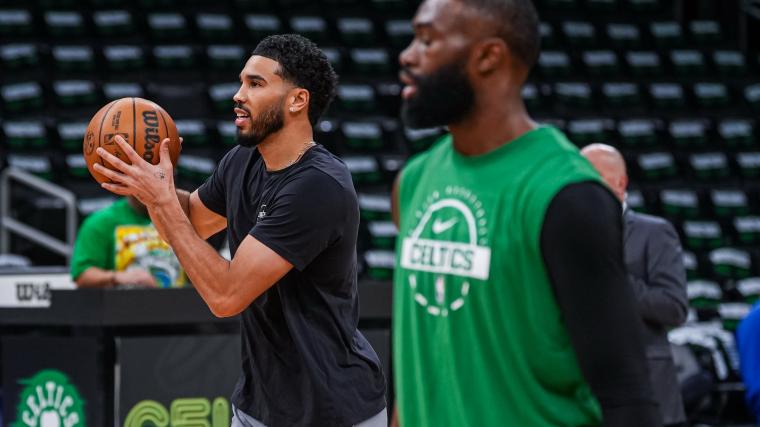
POLICY WIRE — Boston, USA — It’s a curious dance, isn’t it? The NBA’s carousel of speculation spins wildly, constantly on the hunt for the next sensation, the seismic shift. But sometimes—just sometimes—the noise reaches such a pitch it threatens to obscure the obvious. That’s precisely what happened recently when, despite all sense, chatter around Jayson Tatum’s potential departure from the Boston Celtics gained oxygen.
It was always a ridiculous notion. Absolutely preposterous. Yet, in the aftermath of a somewhat surprising trade that shipped Jaylen Brown to Philadelphia, certain corners of the sports universe began whispering: What about Tatum? Could Boston truly dismantle a championship-contending core, jettisoning its bona fide superstar, merely for the thrill of a re-rebuild?
The answer, according to league sources and those with more than a passing acquaintance with how top-tier franchises actually operate, is a resounding, unambiguous “No.” Teams, bless their hearts, did make calls—of course they did. They were swiftly, unequivocally shut down. Brad Stevens, the Celtics’ cerebral president of basketball operations, isn’t prone to public histrionics, but sources close to the organization indicate his stance is iron-clad. “The notion of moving Jayson Tatum is a fantasy concocted in a pundit’s fever dream, not a consideration within these walls,” one close associate quoted Stevens as saying recently, off the record. “We’re building *around* him. We’ve always been building around him. There’s no ambiguity.”
And that’s where the true story lies: not in the whispers of an imagined trade, but in the unwavering commitment to a singular talent. Because what do you do when you possess one of the league’s generational players, a talent capable of MVP-caliber seasons? You build, stupid. You consolidate. You certainly don’t liquidate for parts.
This isn’t just about winning basketball games; it’s about safeguarding an entire financial ecosystem. Tatum isn’t just a forward; he’s a brand. He’s the anchor of media deals, merchandise sales, — and an expanding global footprint. For instance, NBA Commissioner Adam Silver noted in a 2023 press briefing that nearly 20% of the league’s social media engagement now originates from outside North America, a substantial portion from emerging markets like Pakistan and other South Asian nations where basketball’s popularity is steadily climbing. Players like Tatum become crucial global ambassadors, driving that expansion.
The organization’s directive is clear: support Tatum, not replace him with another equally demanding superstar. The focus shifts to bringing in complementary pieces—unassuming, diligent role players who can slot in and make life easier for their main man. Think less about flashy names — and more about defensive grit and efficient spacing. Targets are more likely to be your Herb Jones or Keldon Johnson types, players who don’t demand the ball but provide genuine impact. The recent departure of Jaylen Brown doesn’t open the door for a complete reset; it clarifies Tatum’s primacy, positioning him as the undeniable engine of this whole enterprise. It’s a brutal reality of professional sports; there’s always a hierarchy.
📄 POLICY WIRE WHITEPAPER PUBLISHED: PAKISTAN'S NATIONAL SECURITY POLICY PRIORITIES
👉 READ BY CLICKING HERE“Look, when you’ve got a player who can single-handedly sell out arenas and dictate broadcast schedules, you don’t play games,” remarked a high-ranking executive from a rival Western Conference team, speaking on background. “You commit. The whole business model—everything from ticket pricing to international sponsorship deals—revolves around that kind of top-tier talent. Losing him? That’s not just a roster problem; it’s an economic implosion waiting to happen.” And he’s not wrong, not by a long shot.
What This Means
This saga, fleeting as the trade chatter was, actually reveals a foundational shift in modern sports management and global economic realities. Retaining a star like Jayson Tatum isn’t merely a strategic basketball decision; it’s a critical piece of asset protection for a billion-dollar enterprise. The value of an NBA franchise isn’t just in its wins and losses, but in the stable, recognizable star power it can offer to domestic and international markets. The league, like many global entertainment giants, seeks new audiences, and that inevitably means looking eastward—to burgeoning economies and populations, many in Asia and the Muslim world, where discretionary income and internet access are expanding.
Boston’s staunch refusal to entertain offers for Tatum isn’t just good judgment; it’s a cold, calculated affirmation of his status as an indispensable brand pillar. Any move otherwise would have signaled institutional instability, potentially jeopardizing future revenue streams and chilling investor confidence. It signals that while player empowerment is real, certain foundational pieces remain sacrosanct—because the business side, ultimately, can’t afford them not to be. This applies even beyond sports; it’s about securing those ‘sure things’ in an increasingly volatile global landscape, whether that’s an athlete or a supply chain. Or maybe America’s Sticker Shock is the greater threat. Who can truly say?