

Alibaba Pays $600M: Illicit Goods Scandal Rocks E-commerce
Alibaba pays $600M to settle charges for 80,000 illicit drug sales on its platforms. Uncover the compliance failures and global e-commerce implications.

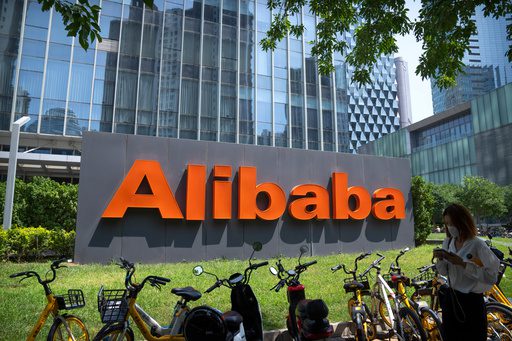
POLICY WIRE — WASHINGTON, D.C. — Not every parcel moving across the world’s most extensive digital superhighways holds legitimate goods. Turns out, some were carrying pharmaceuticals—the wrong kind. For years, the U.S. government says, the behemoth Chinese tech firm Alibaba—a name practically synonymous with global e-commerce—let a shadowy bazaar of illegal drugs, controlled substances, and even pill-making equipment flourish right under its nose. Now, it’s costing them.
The Hangzhou-based titan has finally coughed up a cool $600 million to settle allegations, essentially drawing a line under a dispute that spotlighted significant regulatory holes. Think of it—platforms like Alibaba.com and AliExpress.com, massive marketplaces serving millions, allegedly became conduits for the illicit. It’s a bitter pill to swallow, this kind of revelation, especially for a company positioning itself as a vanguard of digital trade. [QUOTE_PLACEHOLDER]
Authorities here in the U.S. weren’t exactly asleep at the wheel. They honed in on Alibaba’s U.S.-based payment processor, AUS Merchant Services, claiming it flat-out violated federal law. The charge? Failing to clamp down on merchants hawking and shipping forbidden products into America via Alibaba’s own digital storefronts. It’s like owning the biggest shopping mall on Earth — and not noticing a whole wing dedicated to back-alley dealings.
The Justice Department hammered out an agreement, and in it, Alibaba concedes a disturbing fact: between January 2016 and December 2024—a rather generous timeframe, wouldn’t you say?—it somehow missed, or just didn’t stop, roughly 80,000 product sales involving unlawful imports that violated the Federal Food, Drug, and Cosmetic Act and other federal laws. Eighty thousand. That’s not a glitch; that’s a pattern, a systemic failure on a breathtaking scale. Internal alarm bells were apparently ringing too, according to a news release on the settlement. Alibaba employees, bless their earnest hearts, raised concerns that the company’s compliance controls were inadequate and failed to prevent the sale of illegal products—and, get this, in some instances, merchants even used Alibaba’s messaging service to direct buyers to third-party messaging platforms to facilitate illegal sales. Pretty bold, wouldn’t you agree?
The company, for its part, released a statement saying the firm — and the U.S. government reached a mutually satisfactory resolution to bring stricter compliance to the sale of products in the U.S. by third-party merchants on its e-commerce platforms. Sounds like someone got caught with their hand in the cookie jar, — and now they’re promising to install a motion sensor. Law enforcement agencies—a laundry list including the FDA, FDIC, and IRS-CI—were not messing around. They actually conducted more than 40 undercover purchases of pharmaceuticals and equipment that were illegal to import into the U.S. This wasn’t some abstract policy debate; it was boots on the ground, or rather, keystrokes on the keyboard, busting alleged digital contraband peddlers.
But the feds chose a non-prosecution agreement. Smart move, maybe. Why drag it through court when you can get a fat check — and a promise to play nice? IRS Criminal Investigations’ Chief Jarod Koopman, not one for ambiguity, simply said the resolution underscores IRS Criminal Investigation’s commitment to following the money and ensuring that companies operating in the United States comply fully with federal law. There you have it: follow the money, find the drugs, impose the fine. Rinse, repeat.
And so, another tech titan gets a rap on the knuckles — and pays up. It’s just business, they’ll tell you. But it points to a wider issue, doesn’t it?
What This Means
This settlement, frankly, is a stark reminder that even the most advanced digital ecosystems are only as clean as their weakest links—and sometimes, those links are rather strong for illicit trade. For Beijing, it’s a thorny public relations moment, reinforcing U.S. concerns about Chinese corporate governance — and the reach of their tech firms into sensitive sectors. It’s never a good look when one of your national champions is accused of enabling global drug sales, is it? Politically, it grants the Biden administration another notch in its belt, signaling a robust stance against cross-border economic crime, especially involving powerful overseas entities. It shows they’re serious about protecting their digital borders, not just physical ones.
Economically, for Alibaba, $600 million is a hefty sum, but it’s unlikely to sink a company of its scale. It’s more of a very expensive cost of doing business, a regulatory compliance expense writ large. What it should do, however, is force a serious re-evaluation of its compliance mechanisms globally. This isn’t just an American problem, mind you. In rapidly digitalizing economies across South Asia, like Pakistan, where e-commerce is booming and regulatory frameworks often lag behind tech adoption, the implications are chilling. The ease with which illegal products traversed Alibaba’s platforms here serves as a grave warning. Imagine the potential for similar dark commerce on localized platforms or global giants operating with even less scrutiny in emerging markets. It signals a potential wave of intensified regulatory pressure on all global e-commerce operators, forcing them to genuinely police their platforms or face the music—and the hefty fines.