


India’s Crop Waste: From Smog to Sustainable Jet Fuel
Transforming India's choking crop waste into sustainable jet fuel offers a dual solution to air pollution and aviation emissions. Explore this game-changing potential.

POLICY WIRE — New Delhi, India — The acrid smoke that claws at throats and clouds winter skies across vast swathes of northern India—a predictable, punishing consequence of agrarian practices—could, impossibly enough, soon be propelling passenger jets across continents. It’s a stark, almost poetic irony: the very airborne particulates plaguing millions might well morph into the clean energy solution the global aviation industry desperately needs. That annual ritual of setting agricultural fields ablaze, releasing choking plumes felt deeply in Lahore and Kathmandu as much as Delhi, now carries a whispered promise of environmental redemption.
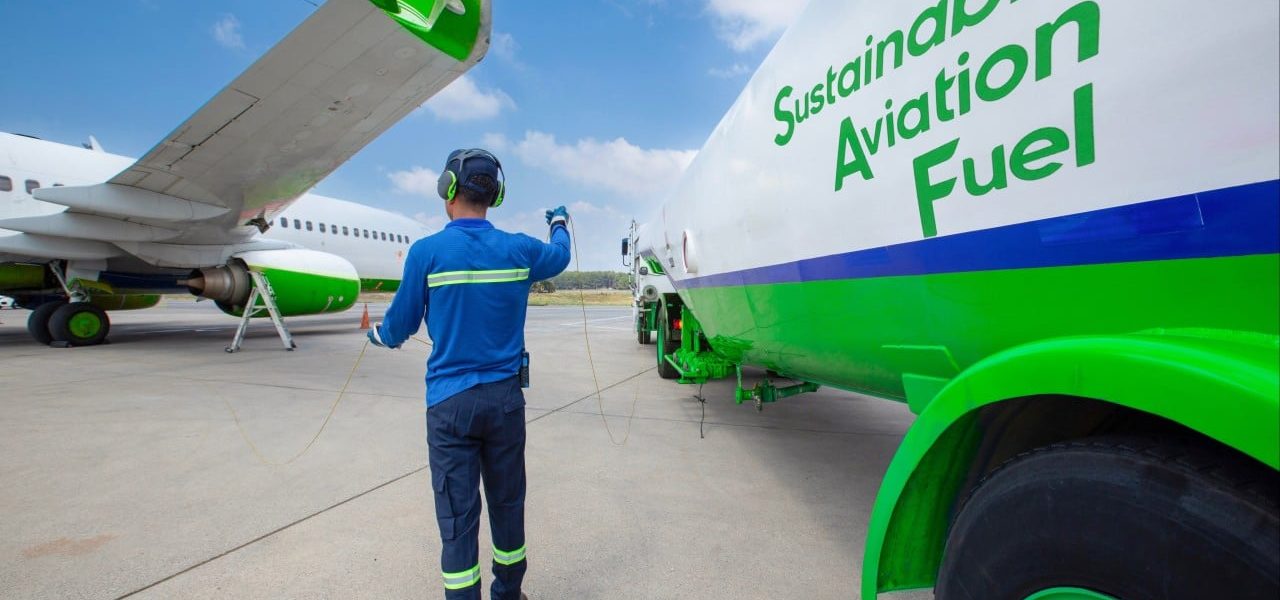
For decades, farmers in India burn millions of tonnes of stalks, husks and other plant matter left after a harvest—a practice that has long contributed to winter smog in South Asia. The sight’s common enough: fields ablaze, orange embers against a darkening sky, a thick haze settling over cities like an oppressive blanket. It’s an environmental — and public health catastrophe, year after agonizing year. But the very stuff they’re incinerating—that so-called agricultural waste – also known as crop residue—is getting a second, far more glamorous look. A recent study, fresh off the academic presses, paints a surprisingly optimistic picture, suggesting this discarded biomass could be reborn as a highly sought-after source to make sustainable aviation fuel (SAF) for the world’s commercial airlines. [QUOTE_PLACEHOLDER]
It’s not just a pipe dream. The science backs it up. SAF is a green alternative to conventional jet fuel derived from a blend of aviation turbine fuel and raw materials for use in aircraft. Think about that for a second. We’re talking about taking rice straw and wheat stubble—materials often viewed as nothing more than an inconvenient disposal problem—and transforming them into the sophisticated, high-energy fuel demanded by Boeing and Airbus engines. It’s an engineering marvel, truly, if it scales efficiently. And let’s be honest, the potential implications, both good — and bad, are massive.
The current state of affairs is dire. A study published in Environmental Research Letters found that agricultural burning in North India alone releases an estimated 149 million tonnes of carbon dioxide equivalent annually. That’s not a typo—149 million. These emissions don’t just dissipate at border crossings. No, the atmospheric currents ensure Pakistan, a country with its own significant agricultural footprint and air quality woes, feels the direct, stinging impact of its eastern neighbor’s stubble fires. And because of those transboundary pollution patterns, a solution here offers tangible benefits stretching right across the broader Muslim world in the region.
Turning crop waste into SAF isn’t just about reducing regional smog, though that’d be a heck of an accomplishment all on its own. It’s also about tackling the behemoth of aviation emissions, a sector that’s notoriously difficult to decarbonize. Jet engines, it turns out, aren’t easily adapted for batteries or hydrogen on long-haul flights. So, the concept of a drop-in replacement fuel—one that existing aircraft can use with little to no modification—is immensely appealing to airlines worldwide grappling with ever-tightening carbon targets. The world needs this kind of material if it’s going to hit those tricky net-zero targets. The global climate imperative has become starkly real, echoing through policy papers and disaster zones alike.
📄 POLICY WIRE WHITEPAPER PUBLISHED: PAKISTAN'S NATIONAL SECURITY POLICY PRIORITIES
👉 READ BY CLICKING HEREBut there’s always a ‘but,’ isn’t there? The devil, as they say, lurks in the logistical details. Collecting and transporting these millions of tonnes of stalks, husks and other plant matter to processing facilities won’t be cheap or easy. There are massive economies of scale to figure out, intricate supply chains to build, and, perhaps most importantly, the trust of the very farmers who’ve always done it the old-fashioned, simple, albeit incredibly polluting, way. It’s a huge undertaking, this paradigm shift from agricultural waste to airline salvation, involving countless moving parts from rural fields to international runways. Policy frameworks, economic incentives, — and technological advancements all need to align. That’s where the real political heft will come in. Will Delhi put its money where its mouth is on clean air?
What This Means
Politically, this research presents both an opportunity — and a tightrope walk for the Indian government. The perennial problem of agricultural burning often devolves into blame games, particularly between states and the central administration. Suddenly, this environmental bane could be recast as an economic boon, transforming an ecological liability into a global asset. It offers India—a nation often on the receiving end of climate criticism—a chance to position itself as a major player in sustainable energy solutions, especially for international aviation. Imagine the diplomatic capital that brings.
Economically, the implications are similarly profound. A new industry sector dedicated to SAF production from agricultural waste would generate rural jobs, stimulate investment in biorefining infrastructure, and provide farmers with an additional income stream for their residues, which are currently a net cost. It’s not just a better way to get rid of waste; it’s an entire value chain. And, from a broader energy security perspective, a domestic SAF industry could reduce India’s—and potentially Pakistan’s, if technology transfers happen—reliance on imported fossil fuels for its rapidly expanding aviation sector. We’re talking less geopolitical vulnerability — and more self-sufficiency, a prize few nations would turn down.