


AI Propaganda: Sudan Deepfakes Threaten Global Truth
AI deepfakes are weaponized in conflicts like Sudan, blurring truth and fueling global disinformation. Discover how this algorithmic warfare threatens stability and trust worldwide.

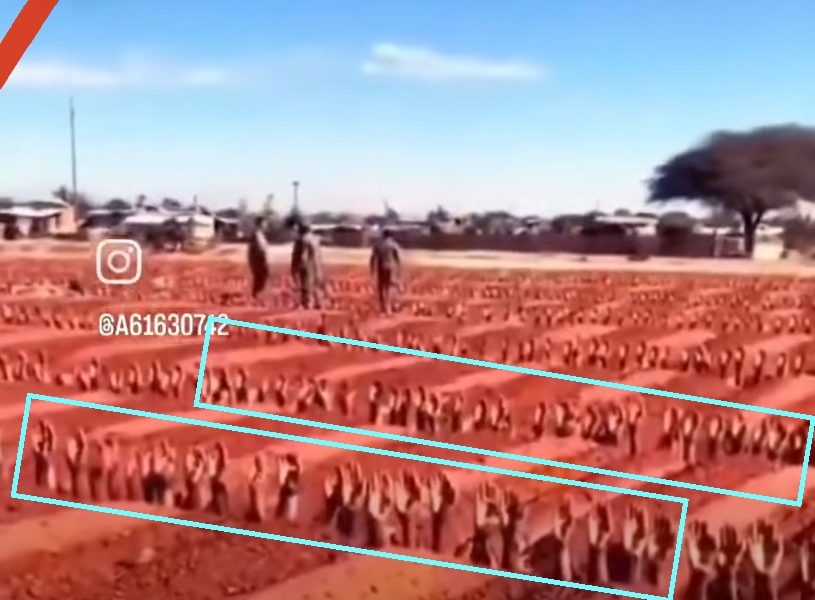
POLICY WIRE — Washington, D.C. — It used to be you worried about a stray drone, a misplaced shell, or the quiet rustle of boots in the night. Now, it seems, you also gotta watch out for pixels — and algorithms trying to rewrite reality from afar. A recent digital specter, an AI-generated video showing what appeared to be a grisly mass grave, got incorrectly tagged to Sudan’s raging conflict. It’s less a slip-up, more a grim prophecy for how future information wars are gonna play out—a nasty piece of business that ought to scare the living daylights out of anyone paying attention.
This isn’t some harmless parlor trick. When spectral bodies—rendered by artificial intelligence—start populating grim scenes purportedly from real, brutal conflicts, we’ve gone way beyond just plain old propaganda. It’s a calculated injection of chaos into an already bleeding wound. Think about it: Sudan’s already got its own, very real, horrifying problems. For over a year now, the Sudanese Armed Forces (SAF) and the paramilitary Rapid Support Forces (RSF) have been duking it out, turning swaths of the country into pure hell. Reports from the UN indicate that more than 16,000 civilians have been killed since the conflict began in April 2023. This is from an official source, by the way—the UN Office for the Coordination of Humanitarian Affairs. So, a new fake atrocity just amplifies the terror — and confusion. [QUOTE_PLACEHOLDER]
The provenance of the deepfake was fuzzy at first. It bounced around social media platforms, like all this stuff does, gaining traction. Users saw it, assumed the worst—why wouldn’t they, given the context?—and shared. Nobody’s got time for fact-checking when their feed is full of despair and fear, especially in an information ecosystem that’s practically designed for outrage. But experts were quick enough to flag the visuals as synthetic. The tell-tale signs? Those weirdly rendered faces, impossible body contortions, shadows that don’t quite track, even the unnatural movement patterns often associated with current AI-video generation tools. But let’s be real, a lot of folks aren’t looking for those signs. They’re just reacting.
And this isn’t just a Sudan problem, it’s a global digital plague. Look east to South Asia, to nations like Pakistan, where political discourse already runs hot. Imagine how easily such fabrications could exacerbate existing communal tensions or ignite fresh controversies during election cycles. Pakistan’s media landscape is often volatile, prone to sensationalism, and quite permeable to both state-sponsored and privately produced disinformation. A similar video, targeting, say, Balochistan or Pashtun regions, could spiral into unimaginable unrest before any truth could catch up. The digital highway there’s already packed with narratives of grievance; adding AI-powered fictions into the mix? That’s like pouring gasoline on a fire.
This particular incident, while debunked, represents a chilling escalation. It means that the mere existence of a horrific image is no longer proof of an event. But it doesn’t just call photographic evidence into question; it warps trust in everything. It makes you second-guess eyewitness accounts, official reports, even—and here’s the rub—your own eyes. It makes you feel weary, cynical. The architects of such digital fakery don’t even need their content to be fully believed; a seed of doubt, a whiff of suspicion, that’s enough. That’s all it takes to erode social cohesion — and democratic faith. We’re staring down a future where the enemy isn’t just on the battlefield but also living, breathing, in your phone. And that’s a tough war to win, ain’t it?
The speed at which AI tools have democratized sophisticated visual generation is insane. You used to need a big studio for this kinda manipulation. Now? Any half-decent enthusiast with a subscription to an online service can whip up a photo-realistic nightmare. It’s truly a free-for-all. This tech means every image and video clip needs to be cross-referenced, analyzed, and possibly authenticated through metadata that’s often scrubbed or corrupted. It’s a huge burden, especially for journalists in under-resourced bureaus or human rights investigators trying to document atrocities on the ground.
📄 POLICY WIRE WHITEPAPER PUBLISHED: PAKISTAN'S NATIONAL SECURITY POLICY PRIORITIES
👉 READ BY CLICKING HEREBecause, really, how do you verify absolute horror in real-time when the means of generating absolute horror are cheaper than dirt? It’s a conundrum that leaves us scrambling. This incident reminds us of the fragility of truth, especially in regions already ravaged by brutal conflict. It’s not just a digital nuisance; it’s a fundamental challenge to how we perceive, react to, and even intervene in global crises. We can’t let the machines obscure human suffering even more than it already is. But let’s be honest, it’s already happening.
What This Means
This Sudan deepfake isn’t just about one video. It’s a harbinger of advanced algorithmic warfare that’ll increasingly define conflicts both hot — and cold. Politically, it means leaders and policymakers are going to face even greater challenges in distinguishing fact from fiction when responding to humanitarian crises or engaging in diplomacy. You simply can’t formulate effective foreign policy on a bedrock of synthetic narratives. We’ve already seen how easily false reports can trigger international incidents, like the recent bizarre theories surrounding an unfortunate skyscraper impact that initially sent conspiracy theories spiraling. Now, imagine those narratives are generated by machines, tailored perfectly to exploit our biases — and fears.
Economically, the impact is more insidious. Disinformation saps investor confidence, destabilizes markets, and can lead to capital flight from regions already struggling with instability. Who wants to invest in a nation where images of widespread atrocities—real or manufactured—can go viral instantly, painting an impossibly grim picture? It makes the perception of risk astronomical. For developing economies, particularly those in conflict zones like Sudan, this just adds another, seemingly insurmountable, hurdle to recovery. And for media organizations, both small and large, it requires substantial new investments in verification technologies and expertise, or else face a rapidly diminishing public trust. There’s a tangible economic cost to the truth getting murky, one we’re only just beginning to truly grasp. The cost is high, I’m tellin’ ya.