
Redrawing Maritime Lanes: UN Stalls Hormuz Passage Post-Attack, Geopolitics Shift
POLICY WIRE — Washington D.C., USA — It wasn’t a weather system or some forgotten bureaucracy grinding to a halt; it was a terse pronouncement, slipping quietly into the global maritime chatter, that...

POLICY WIRE — Washington D.C., USA — It wasn’t a weather system or some forgotten bureaucracy grinding to a halt; it was a terse pronouncement, slipping quietly into the global maritime chatter, that just snapped a major choke point in the world’s most critical oil transit route. This isn’t just about an unfortunate incident; it’s about the deliberate, cold calculation that follows when international shipping lanes become war zones.
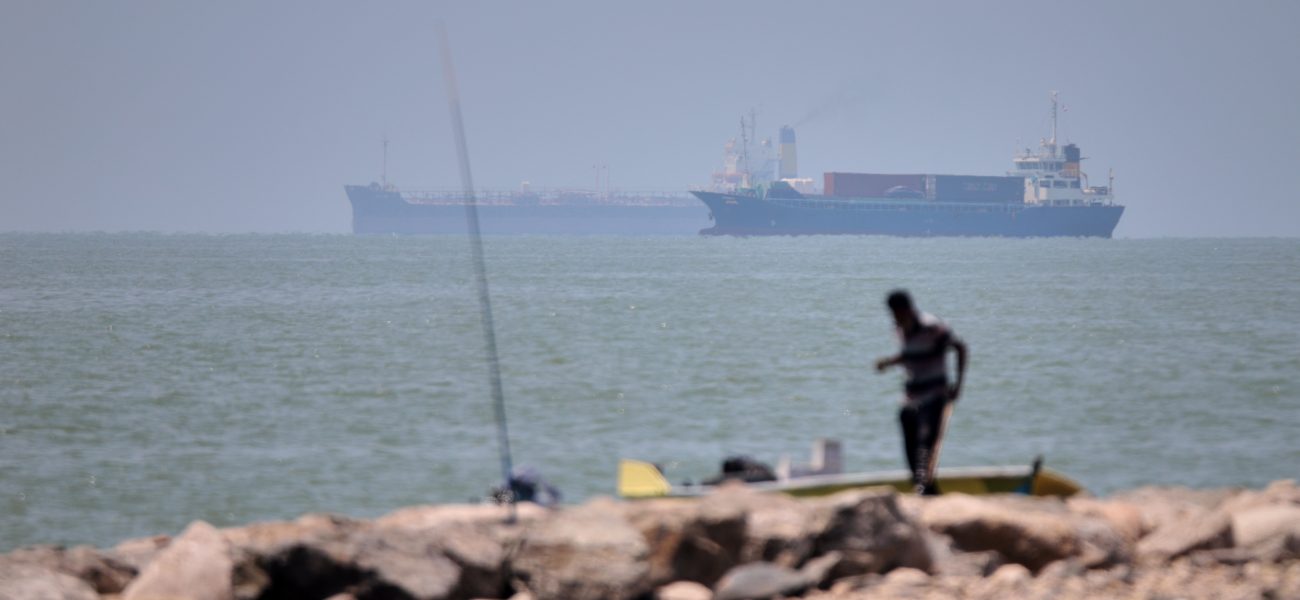
An unnamed United Nations agency recently confirmed a temporary cessation of what they call the evacuation of ships navigating the treacherous Strait of Hormuz. That’s agency-speak, of course. What it means for everyone else, for the tankers, for global oil markets, for a whole lot of consumer prices in your grocery store aisle? A big, fat question mark. The pause comes hot on the heels of an attack on vessel, details murky as a sandstorm, but its implications clear as day for anyone tracking the ebb and flow of global power dynamics. [QUOTE_PLACEHOLDER]
For weeks, intelligence briefs have been less about terrorism and more about the gray-zone tactics — the constant probing, the almost theatrical provocations — around this strategic artery. Now, a UN agency pauses. It’s an understated move, yes. But it carries the weight of a lead anchor dropped in a calm sea, creating unseen ripples across the globe, from the commodity pits of New York to the bustling ports of Karachi.
Consider the economic heart of Pakistan, a nation constantly walking a tightrope between growth — and debt. Its energy security, its very capacity to import raw materials and export finished goods, relies heavily on the uninterrupted flow of traffic through Hormuz. Disruption here isn’t an inconvenience; it’s a systemic shock. And nations across South Asia, dependent on this conduit for their energy needs and trade routes to the West, aren’t just watching. They’re recalculating. The region simply can’t afford prolonged uncertainty.
Because, make no mistake, this isn’t just some administrative hiccup. We’re talking about the geopolitical chessboard here. The Strait of Hormuz sees approximately one-third of the world’s seaborne crude oil, or some 21 million barrels per day, pass through its narrow channels, according to the U.S. Energy Information Administration (EIA). That’s a staggering figure. One. Third. You can see why a mere pause can cause tremors. The UN’s quiet step back effectively shines a floodlight on the escalating tensions. It forces governments, and importantly, global insurers, to confront a stark reality: this maritime gateway, for decades a relatively predictable route, has suddenly gotten a lot less predictable.
It’s no secret maritime activity in the Gulf has been heating up—it’s been boiling over for months, truthfully. An attack on vessel wasn’t unexpected, perhaps, but the specific UN reaction? That’s what’s caught eyes. They aren’t just warning. They’re altering patterns, issuing practical directives that change how shipping operates. It’s a very different animal than a simple condemnation. And it leaves a lot of captains and their crews—out there on the high seas, far from policy discussions—just wondering what fresh hell awaits them tomorrow. It’s nerve-wracking, if you ask any veteran sailor.
📄 POLICY WIRE WHITEPAPER PUBLISHED: PAKISTAN'S NATIONAL SECURITY POLICY PRIORITIES
👉 READ BY CLICKING HEREBut the real long-term cost? It isn’t just about the immediate price of oil. It’s about trust. It’s about the perception of risk. And once that gets embedded in the calculations of shipping companies — and investors, it becomes awfully sticky. There’s no quick fix. This pause, temporary or not, embeds a new baseline of operational hazard for everyone involved. For a region already fraught with peril, that’s quite the burden to shoulder. The world’s been living on a geopolitical hair-trigger, and this little maneuver just tightened the spring a touch more.
What This Means
This UN agency’s pause on critical ship movements isn’t just a logistical hiccup; it’s a stark geopolitical signal. Politically, it grants greater leverage to actors capable of disrupting maritime security, incentivizing further aggressive posturing. Nations reliant on Hormuz for energy and trade – essentially, the bulk of Asia – are compelled to consider costly alternative routes or ramp up domestic energy production, both of which are politically fraught and economically demanding. The implicit message: a crucial artery of global commerce can be choked, and international bodies are acknowledging, if not yielding to, that vulnerability.
Economically, expect immediate hikes in maritime insurance premiums, driving up shipping costs across the board. This translates directly to higher prices for everything from oil — and gas to manufactured goods globally. For developing economies, especially those in South Asia like Pakistan, this means exacerbated inflation, potentially derailing fragile economic recoveries and pushing more citizens into hardship. Investors will flock to perceived safe havens, or, more likely, retreat into cautious wait-and-see postures. this incident pushes states to re-evaluate strategic oil reserves and supply chain diversification, an expensive long-term proposition that will inevitably pass costs down to consumers.