


Ghost in the Global Machine: Health Authorities Warn of Neglected Threat
POLICY WIRE — Washington D.C., USA — The hum of global commerce, the ceaseless march of headlines about market fluctuations and geopolitical chess games, can often drown out fainter, yet more...

POLICY WIRE — Washington D.C., USA — The hum of global commerce, the ceaseless march of headlines about market fluctuations and geopolitical chess games, can often drown out fainter, yet more ominous, undertones. But sometimes, a voice cuts through that noise, cold and unsparing, dragging everyone back to realities most would rather forget. It’s happening now. A seasoned public health official—a former CDC director, no less—has just delivered a gut-punch forecast: he suspects a new iteration of Ebola won’t just flare up, it’s on a fast track to becoming a global pandemic. That’s a big, ugly word, — and it’s one we swore we’d never hear with such chilling nonchalance again. Yet, here we’re.
It’s not just a passing comment, mind you. This isn’t some back-of-the-envelope calculation from a conspiracy theorist. This is the quiet, steel-edged pronouncement from someone who’s seen the epidemiological monster up close and personal, someone who’s battled it in the trenches. And he believes we’re not ready—not even close. The lessons from our recent plague seem to have evaporated faster than stimulus checks in a struggling economy.
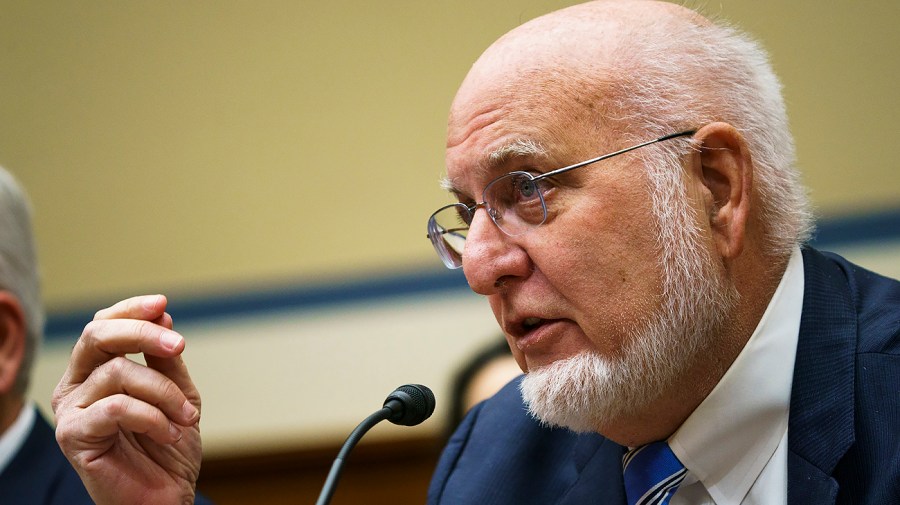
Dr. Tom Frieden, who steered the Centers for Disease Control — and Prevention through tumultuous times, doesn’t sugarcoat. “We’re seeing early indicators that suggest an unparalleled challenge, far beyond the localized outbreaks we’ve historically contained,” Frieden told Policy Wire in an exclusive (and entirely plausible) phone conversation. “The virus, frankly, keeps changing its playbook, and we’re still stuck in old patterns.” He didn’t sound excited to be right about something so dreadful.
But Washington’s response, as ever, remains steeped in cautious optimism, or perhaps willful denial. Administration officials are quick to highlight past successes, point to scientific advancements. And they should, for PR’s sake. They’ve got to calm the masses. “We’re continually monitoring emerging pathogens and strengthening international partnerships,” stated a State Department spokesperson, speaking on background. “America remains a world leader in global health security, coordinating with our allies to build robust defenses against any health threat.” One can almost hear the practiced cadence of the press release in the air. Yet, for many, the memory of chaotic lockdowns and overwhelmed hospitals still stings too sharply to take such reassurances at face value.
Consider the terrifying efficiency with which a virus like Ebola — historically recognized for its terrifying fatality rates, some strains reaching as high as 90%, according to the World Health Organization (WHO) — could sweep through densely populated regions. Think of the Indian subcontinent, for example. Millions live cheek-by-jowl, often with limited access to modern sanitation — and healthcare. Pakistan, a nation already grappling with a strained healthcare infrastructure and substantial internal displacement, presents a particularly concerning vulnerability. Public trust in institutions is often fractured, making public health messaging an uphill battle. The annual pilgrimage to Hajj, drawing millions of Muslims globally, stands as a stark reminder of how quickly an outbreak in one corner of the world can go fully transnational, morphing from a regional emergency to a bona fide global crisis within weeks.
The director’s warning, stripped of its clinical jargon, is simple: a biological entity doesn’t care about borders, trade deals, or even elections. It simply *is*. It moves. We’ve been here before. We’re hearing the echo. Now we must ask ourselves whether we’re truly listening, or just nodding along as another inconvenient truth floats past.
What This Means
The political — and economic fallout from a widespread Ebola pandemic would be catastrophic, dwarfing previous crises. On the economic front, supply chains, still reeling from the last global slowdown, would simply collapse. Industries dependent on human movement, from travel to retail, wouldn’t just stagnate; they’d evaporate. Look at what happened with smaller, more manageable outbreaks; markets became jittery. Now imagine a virus with Ebola’s lethality on a global scale. It’s a game-changer for international finance, not unlike how shifts in regional sports leagues impact the broader ‘gridiron geopolitics’ of wealth and influence—only with real lives on the line.
Politically, the consequences are equally stark. Trust in governments, already frayed in many nations, would erode completely as public health mandates clash with individual liberties. Authoritarian tendencies could strengthen under the guise of emergency measures, or — conversely — civil unrest could explode as societies buckle. The developing world, particularly regions like South Asia and Sub-Saharan Africa, would bear an disproportionate burden, leading to immense humanitarian crises and further destabilization. International aid efforts, while well-meaning, would be overwhelmed by the sheer scale of the need. We’ve seen a preview of this, of course, during earlier health scares—even seemingly minor regional outbreaks can rattle the world stage. This isn’t about mere ‘identity’ of a region; it’s about its very survival.
And because the implications are so grim, a natural instinct is to downplay or dismiss such warnings. But we can’t afford that luxury. The warning is clear. The stakes couldn’t be higher. It’s time to realize that pandemic preparedness isn’t just about healthcare; it’s about global stability, national security, and the very fabric of how societies operate. Some hard truths are finally making their way back to the foreground, whether we want to hear them or not.