
Madison Square Garden: Where Urban Myth Meets Baller Brutality in Playoff Spectacle
POLICY WIRE — New York, United States — It isn’t just about a bounce of the ball anymore, is it? When the Madison Square Garden lights blaze on a playoff night, you’re not merely watching...

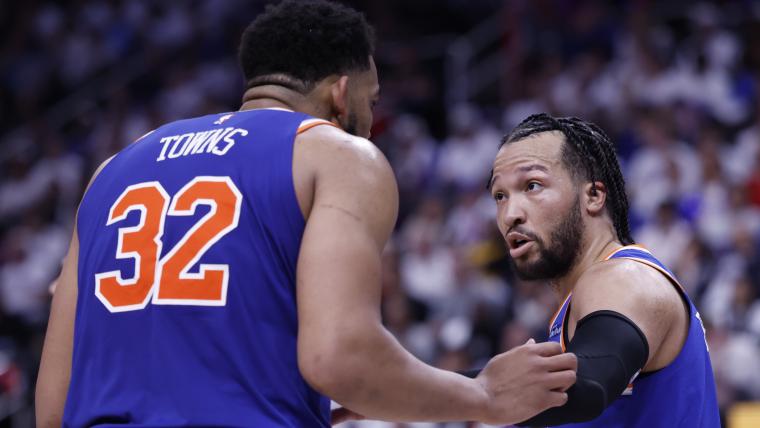
POLICY WIRE — New York, United States — It isn’t just about a bounce of the ball anymore, is it? When the Madison Square Garden lights blaze on a playoff night, you’re not merely watching a basketball game; you’re observing a high-stakes cultural performance, a geopolitical economic engine whirring, and an urban narrative unfolding in real time. The recent clash between the Cleveland Cavaliers and the New York Knicks—Game 2 of the Eastern Conference Finals, to be exact—was less a sporting event and more a lesson in how cities leverage their athletic coliseums.
Because let’s be straight, a deep playoff run for the Knicks isn’t just for bragging rights; it’s a tangible boon. The roar of the crowd, the frenetic pace, the sheer star power—it all feeds into New York’s ever-hungry economy. And while the Cavs may have evened the series with a gritty 115-104 overtime victory against a formidable Knicks squad, the reverberations of this drama extend far beyond the parquet floor.
It’s late-night pizza orders, jammed subway cars, — and the kind of civic pride you can practically bottle. We’re talking tourist dollars and local spending in concert halls, bistros, and merchandise shops dotting Midtown, each benefiting from this prolonged urban spectacle. Mayor Eric Adams, ever the booster for his hometown, couldn’t agree more. “Every game night like this, you feel the buzz right through the city. It’s jobs, it’s tourism, it’s New York proving we’re back—and we’re winning,” Adams reportedly remarked to a group of reporters just last week, no doubt aware of the tax receipts swelling in step with ticket prices.
The Cavaliers’ triumph, especially after dropping Game 1, hinged heavily on stars like Donovan Mitchell. He’d put up 29 points in a losing effort before this, — and this time, he was everywhere, leading the charge. Mike Brown, the Cavaliers’ coach, has consistently tried to tamp down the soaring rhetoric surrounding these matchups, focusing instead on the nuts and bolts of competition. “Look, one game doesn’t make a season. It certainly doesn’t make a series. We regroup. We adjust. It’s what championship-caliber teams do, or they learn to,” he stated following their initial setback, a quote embodying the stoicism required to survive postseason basketball.
But the Knicks, bless ’em, they don’t fold easy. Jalen Brunson notched 38 points in Game 1, a defiant performance that underscores their fierce resilience. That’s a trait, incidentally, that’s not just talk: The Knicks’ preternatural ability to snatch victory from the jaws of defeat isn’t mere luck; it’s a measurable trait. They’ve clinched 9 out of 13 games decided by three points or fewer this season, a statistic widely tracked by outlets like ESPN, indicating a mastery of crunch-time scenarios that’s both rare and unsettling for opponents.
This relentless spirit, born in the crucible of North American hoops, somehow translates globally. Think about it: a country like Pakistan, where cricket reigns supreme and national allegiances run deep, still harbors a surprisingly robust, if niche, following for the NBA. From the bustling streets of Karachi to the late-night tea shops in Islamabad, streams often flicker with the latest scores from games played thousands of miles away. It’s a quiet testament to the league’s global reach and the captivating narratives woven into every dribble and dunk, reaching across vast cultural divides and finding resonance in unexpected corners.
And then there’s the chatter about who makes it to “celebrity row.” It’s not just for famous people anymore, folks; it’s a tightly managed, almost diplomatic affair. Gaining access means you’re part of a select club, privy to a spectacle that’s equal parts athleticism — and theatre. That’s the power of MSG, an arena that transforms athletes into legends, or at least into really famous guys in really expensive seats.
What This Means
The current playoff frenzy isn’t just selling out arenas; it’s a masterclass in urban economic development and cultural soft power. For New York, a protracted Knicks playoff run means a measurable uptick in ancillary spending, solidifying its identity as a global entertainment hub. The buzz keeps tourism flowing, helps local businesses, and injects much-needed vigor into the city’s brand post-pandemic. Economists will tell you this isn’t pocket change—these events generate hundreds of millions in direct and indirect spending. But it’s also a demonstration of resilience, of a city bouncing back, showing its global prowess, using sports as its muscular, glittering ambassador. Conversely, a quick exit would leave not just fans but city officials nursing a collective hangover—and potentially counting what could have been.
The NBA, through these dramatic storylines, isn’t just selling basketball; it’s selling an aspirational American dream of fierce competition and glorious comeback stories. For fans far afield—say, in South Asia, where global media often dominates local narratives—it’s a window into another culture, another kind of battle. It can even, however subtly, influence everything from fashion trends to broader cultural exchanges. The economic reverberations and cultural intersections of these playoffs prove the games aren’t confined to 94 feet; they echo in boardrooms, street markets, and international news feeds, crafting a powerful global narrative.
This dynamic interplay of sport — and capital creates a fascinating microcosm of broader policy considerations. From public infrastructure investment surrounding stadiums to the global implications of media rights—and let’s not forget the thorny issue of athlete compensation—each jump ball subtly shapes discussions extending well beyond the rim. This isn’t just basketball, it’s commerce, culture, and cunning political calculations all rolled into one sweaty, spectacular package. What’s next for the NBA isn’t just about who wins, but how it shapes perceptions globally and locally.