
Vikings Bet on Raw Power: Domonique Orange Pick Signals Long-Term Defensive Strategy
POLICY WIRE — Pittsburgh, Pennsylvania — For thousands of young athletes, the National Football League Draft isn’t merely an athletic gauntlet; it’s a financial leviathan, fueling...

POLICY WIRE — Pittsburgh, Pennsylvania — For thousands of young athletes, the National Football League Draft isn’t merely an athletic gauntlet; it’s a financial leviathan, fueling careers, upending communities, and, for a select few, transforming years of grit into a truly life-altering moment.
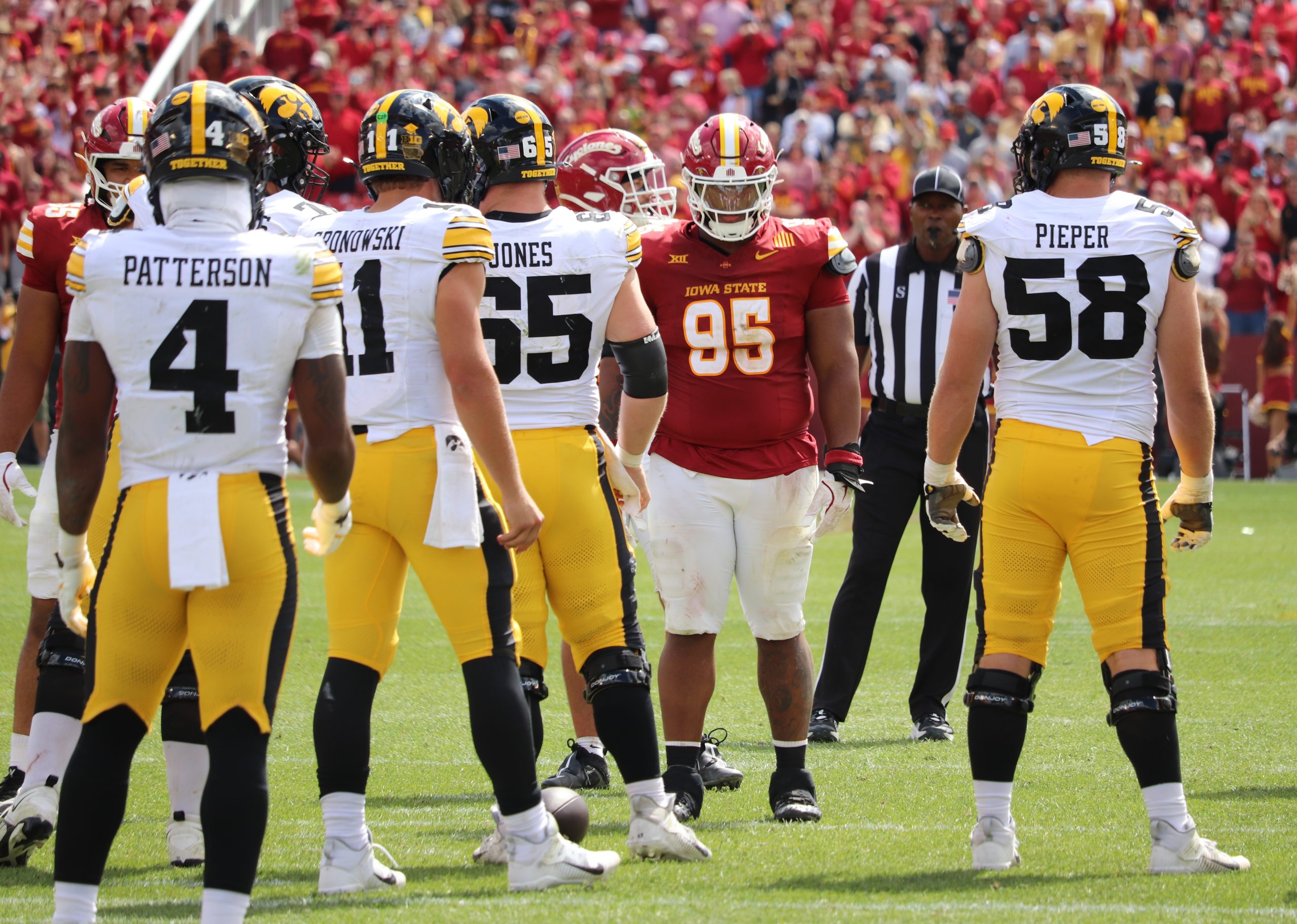
This past Friday, in the bustling crucible of the 2026 NFL Draft, that moment materialized for Domonique Orange. Dubbed ‘Big Citrus’ by those who’ve watched his punishing play, the Iowa State nose tackle heard his name called by the Minnesota Vikings with the 82nd pick, a third-round selection that felt both like a vindication and a promise.
The sheer theatricality of the draft, with its primetime broadcast and an audience spanning continents, often eclipses the meticulous, data-driven franchise-level machinations. But underneath the spectacle, teams like the Vikings aren’t just making choices; they’re waging high-stakes gambits on potential, hoping to unearth a star — a diamond in the rough, if you will — from a pool of incredibly talented, yet unproven, young men.
“We’re giddy to bring Domonique into the Vikings family,” ventured Kwesi Adofo-Mensah, the Vikings’ General Manager, following the announcement. “He’s got the raw power — and the motor we look for. Make no mistake, he’s a disruptive force, — and we see gargantuan upside here.”
ESPN analysts, ever the masters of understated expectation (and perhaps unsurprisingly for a third-round selection), quickly characterized Orange as a “developmental player.” While often gospel for later-round picks, that label can sometimes understate the immediate impact many draftees aspire to have, particularly those who’ve already proven their mettle at the collegiate level.
Orange’s four years with the Iowa State Cyclones weren’t exactly quiet. The Kansas City, Missouri native appeared in 50 games from 2022 to 2025, starting 24 of them as a formidable presence on the defensive line. His collegiate tenure culminated in an All-Big 12 Third Team selection in 2025, a symphony to his consistent performance.
Still, the transition from college standout to NFL professional is a gulf few truly bridge seamlessly. He tallied 66 tackles, seven tackles for loss, two passes defended, and a critical sack of Sam Leavitt in the 2024 Big 12 Championship game, stats that hint at his potential but don’t guarantee NFL glory.
While the roar of the US football stadium feels a world away from the fervent cricket pitches of Lahore or the bustling bazaars of Dhaka, the primal magnet of elite professional sport – the prestige, the pathway to wealth, the sheer spectacle – transcends borders. The NFL’s meticulously crafted draft system, a veritable marketplace for athletic talent, presents a model of professionalization and economic opportunity that resonates, perhaps abstractly, with those aspiring to athletic greatness or economic uplift in any corner of the globe, including the burgeoning youth populations of South Asia – who wouldn’t want a piece of that, right?
Rookie contracts for third-round picks like Orange generally clock in at the $5.5 to $6 million range over four years, including a significant signing bonus, according to Spotrac data from previous drafts. That’s a life-changing sum, delineating an economic leap most can only imagine. And believe me, it’s a lot of dough.
“Domonique’s journey has been one of unwavering resolve,” shot back Matt Campbell, Iowa State’s Head Coach, in a statement released by the university. “He’s always wrestled with the crucible. We’re incredibly proud, — and we know he’s primed to put in the work required at the next level. His ‘Big Citrus’ personality will fit right in.”
The path from a college prospect to an NFL starter is a thorny gauntlet of relentless training, strategic coaching, and a bit of luck. Quite a gauntlet. And yet, this is where careers are forged or shattered.
Related: Texans Bet on Raw Power: Marlin Klein’s International Path to the NFL Draft
What This Means
Picking a player like Orange in the third round is an audacious wager, but it’s one that often pays dividends. The NFL isn’t just a game; it’s a relentless, cosmic chess match for talent — and cap space.
For the Vikings, this pick heralds a long-term investment in a pivotal post. Defensive tackles aren’t always the flashy pass-rushers, but they buttress a defense, stuffing the run and collapsing the pocket from the interior, freeing up edge rushers.
But “developmental” isn’t a euphemism for “project player.” It implies a team sees the foundational tools – the physical gifts, the work ethic, the untapped potential – and believes its coaching staff can polish them into a Pro Bowl talent.
And this approach allows teams to secure high-upside players without spending a top-tier pick, which is usually reserved for positions demanding immediate impact, such as quarterback or premier edge rusher. Is it a gamble? Absolutely. But the potential payoff for a dominant interior lineman is enormous for a defensive scheme.
Related: Beyond the Marquee: Day Two of NFL Draft Unearths Deep Georgia Talent Pool
So, the bright lights — and immediate expectations are now squarely on Domonique Orange. But the real work, as any seasoned scout will tell you, begins the moment the call ends. His success won’t hinge on the ‘Big Citrus’ moniker, but on his ability to translate raw power and collegiate performance into sustained NFL dominance against the world’s best. That’s the acid test, and it starts now.