

Football’s Moral Maze: A Lesser Club’s European Dream Holds Premier League Title Hostage
POLICY WIRE — London, UK — It’s a classic footballing farce, really. Two behemoths of English football, Arsenal and Manchester City, stand on the precipice of glory, their meticulously planned...

POLICY WIRE — London, UK — It’s a classic footballing farce, really. Two behemoths of English football, Arsenal and Manchester City, stand on the precipice of glory, their meticulously planned campaigns — worth hundreds of millions in prize money, global branding, and sponsorship — hanging precariously on the decisions of a club far from their financial stratosphere. Crystal Palace, rather than battling relegation or cruising into mid-table anonymity, has found itself an unwitting, and perhaps unwilling, kingmaker. But this isn’t just about sporting fair play; it’s a cold, hard lesson in the mercenary realities of the modern game, where integrity often grapples with immediate financial gain.
The Eagles, as they’re affectionately known, have a date with destiny: a European Conference League final, a shiny continental trophy, and a hefty chunk of change that comes with it. Never mind that the Premier League season isn’t quite done. They still have to square off against both title contenders. You don’t have to be a tactical wizard to see the rub. Why risk your key players, your most bankable assets, in what are essentially prestige matches for them, when a historic European final looms?
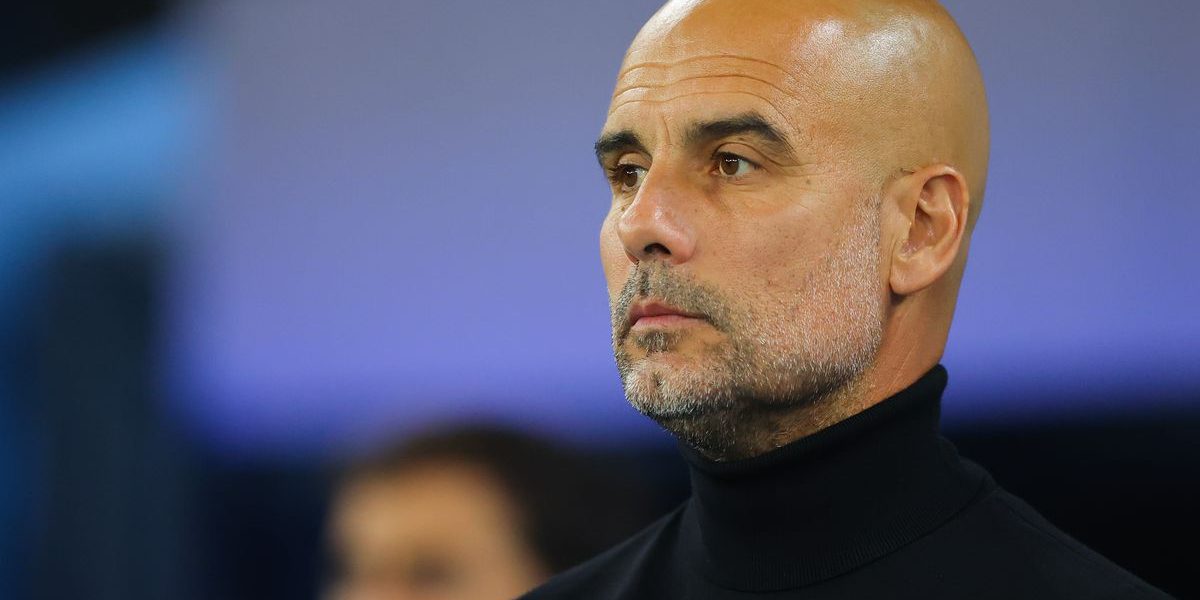
This situation presents a philosophical quandary. Professionalism, Pep Guardiola insists, dictates that every club will ‘do their best.’ He told reporters, his tone weary yet resolute, “They’re so professional, the teams. Crystal Palace will play top against us. We’ve seen it time — and again, teams with nothing ‘to play for’ put in their absolute best effort. They’ve too much pride, too much professionalism, not to.” His words echo a belief in an unyielding competitive spirit, but one has to wonder if that spirit remains untainted by the seductive siren call of a trophy cabinet addition and the monetary bump it guarantees. A spot in any European final, for a club like Palace, isn’t just about silverware; it’s a genuine economic shot in the arm, improving player valuation and drawing in new commercial deals.
Because, let’s be blunt, a weakened Crystal Palace fielding academy prospects or half-fit veterans against Arsenal (and then City) isn’t just speculation; it’s sound business strategy from the Palace board’s perspective. It preserves players for their big day out, minimizes injury risk, and might even be construed as smart roster management. Yet, the fallout for the title race could be colossal. Mikel Arteta, Arsenal’s animated tactician, hasn’t publicly dwelled on potential opposition lineups, maintaining a diplomatic front. But one can imagine the conversations happening behind closed doors. “We always prepare to face the strongest version of any opponent, and we expect that competitive spirit in every Premier League fixture. It’s what this league means to fans, doesn’t it?” Arteta was quoted as saying, carefully treading the line between expectation and outright demand.
The Premier League, after all, isn’t just a domestic competition anymore. It’s a sprawling global phenomenon. Millions tune in from every corner of the planet, from Riyadh to Karachi. Fans across South Asia and the Muslim world, often more passionate about their adopted English clubs than local teams, expect a pure, uncompromised product. A perceived drop in competitive integrity—a ‘friendly’ atmosphere for one team when others are battling for titles—sends ripples through that global fanbase. It doesn’t sit well. For many, it cheapens the spectacle. The league, quite simply, banks on its reputation for relentless, honest competition.
📄 POLICY WIRE WHITEPAPER PUBLISHED: PAKISTAN'S NATIONAL SECURITY POLICY PRIORITIES
👉 READ BY CLICKING HEREThe global television rights for the Premier League topped £5 billion for the 2022-2025 cycle, according to recent financial reports – a testament to this global demand. When a league’s competitive balance is even potentially swayed by one club’s other, perfectly legitimate, priorities, it begs larger questions about scheduling, player welfare, and the integrity premium the league demands globally. And it puts Crystal Palace’s manager, whether he wants it or not, directly into a moral maze: loyalty to his club’s singular opportunity versus loyalty to the abstract idea of a ‘fair’ Premier League season.
What This Means
This isn’t merely about one game or two; it’s a stark illustration of the evolving economics of elite football. Smaller clubs, facing massive revenue disparities with the traditional ‘big six,’ are forced into tough decisions that prioritize their unique, fleeting opportunities. The Conference League final isn’t just about a trophy; it’s a gateway to increased revenues, attracting better talent, and elevating the club’s profile, providing a pathway to bridging some of that financial chasm. For Crystal Palace, the pragmatic choice, therefore, would be to conserve energy and avoid injury risk, however much it might rankle Arsenal or City supporters. Their primary objective isn’t to be a fair arbiter of the title race; it’s to do what’s best for Crystal Palace Football Club. And while fans of the title-chasers might scream about sporting integrity, Palace’s board has a fiduciary duty to secure their club’s financial and competitive future. This episode lays bare the tension between idealized sporting competition and the cutthroat, multinational business that professional football has become.