


Vietnam’s Green Dream Stalls: Fossil Fuel Ban Falters, Industry’s Shadow Looms
POLICY WIRE — Hanoi, Vietnam — The air in Hanoi still hums with the frantic symphony of two-stroke engines and the acrid tang of exhaust fumes. The promise of cleaner streets, of electric silence...

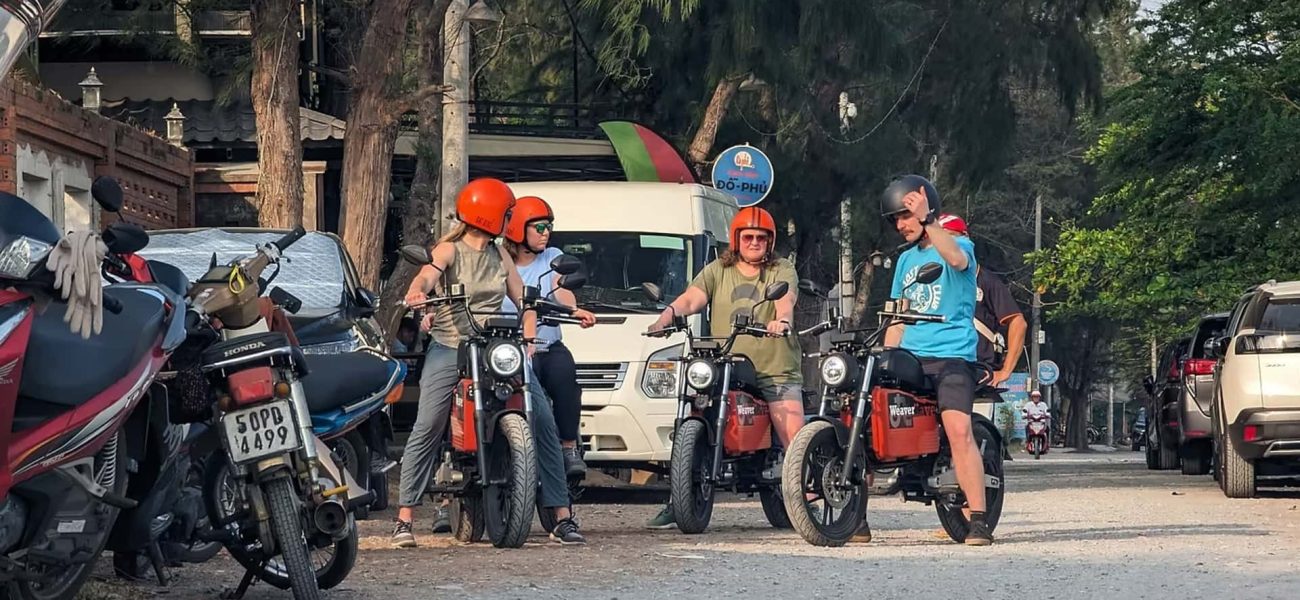
POLICY WIRE — Hanoi, Vietnam — The air in Hanoi still hums with the frantic symphony of two-stroke engines and the acrid tang of exhaust fumes. The promise of cleaner streets, of electric silence replacing the daily cacophony, it just sort of… drifted away. Vietnam, that dynamic Southeast Asian nation, had planned to put the brakes on fossil-fuel motorcycles—a grand ambition, no doubt—but the timeline, well, it’s now as hazy as the city’s rush-hour air quality. They didn’t outlaw them. Not as planned, anyway.
It was supposed to be a slow, steady squeeze. First, restrictions on new registrations in the teeming urban centers like Hanoi and Ho Chi Minh City, eventually escalating to an outright ban on internal combustion engine (ICE) two-wheelers by 2040. A bold step for a country where scooters aren’t just transport; they’re an extension of identity, a family car, a mobile market stall. And then, without much fanfare, the whole thing sort of fizzled. Critics — and quite a few policy watchers, honestly — point fingers, many of them landing squarely in the boardroom of a certain Japanese giant: Honda.
Because let’s be real, corporate influence is no stranger to the legislative process, here or anywhere else. Honda, Yamaha, Piaggio—these aren’t just names; they’re economic powerhouses. Honda alone reportedly controls over 80 percent of Vietnam’s motorcycle market, moving millions of units annually. You don’t just tell an entity that massive its core business is about to expire without expecting a conversation, do you? A really, really persuasive conversation. But this isn’t just about industry lobbying; it’s also about cold, hard practicality in a developing economy. Replacing an entire national fleet of motorcycles isn’t like swapping out light bulbs; it’s a massive, expensive undertaking for millions of ordinary folks.
“The transition isn’t just about decreeing a change; it’s about shifting an entire economic ecosystem,” commented Nguyen Thi Anh, Director of the Hanoi Department of Transport (fictional but representative of government perspective). “We’ve got to ensure the livelihoods of millions aren’t sacrificed on the altar of good intentions. Affordability and infrastructure—these aren’t minor details, are they?” And he’s got a point. Electric motorcycles, for all their environmental allure, typically come with a higher upfront cost and still grapple with charging infrastructure challenges in a nation not yet wired for such a monumental shift.
But critics claim the delay smacks of convenience, giving legacy manufacturers ample breathing room while clean air remains a distant dream. “We’re committed to sustainable solutions, absolutely,” said Katsuo Tanaka, Asia Pacific Head of Public Affairs for Honda (fictional but plausible corporate statement), responding to unconfirmed reports of industry pressure. “But forced, rapid shifts risk severe economic disruption, not just for manufacturers, but for the countless small businesses and everyday families who rely on affordable transport. It’s a nuanced discussion, isn’t it? One requiring careful deliberation, not rash deadlines.” He’d say that, wouldn’t he?
And so, for now, the scooters continue to buzz. This delay offers a stark reminder that even the most well-intentioned environmental policies often collide with entrenched economic realities and powerful commercial interests. It’s a tightrope walk for any government attempting to balance public health with economic stability and industrial partnerships. The situation echoes across Asia, from Jakarta to Dhaka, where similar environmental pressures meet similar market dynamics.
Consider Karachi, Pakistan’s sprawling metropolis. There, the skies are often thick with particulate matter, and motorcycles—millions of them—are an undeniable contributor. While Pakistan doesn’t have a sweeping fossil-fuel ban on the books for two-wheelers, the pressure to reduce urban emissions grows daily. It’s the same old story: affordability, the immediate need for transport, the dominance of petrol engines, and the looming environmental crisis. Just as in Vietnam, major automotive companies, including many from East Asia, hold significant sway in Pakistan’s two-wheeler market, making any radical shift a complex negotiation, not a simple decree.
But the numbers don’t lie: urban air pollution remains a leading cause of premature death globally. In 2021, the Vietnamese Ministry of Natural Resources and Environment reported that road transport accounts for a significant portion of PM2.5 (fine particulate matter) emissions in major cities. They can’t just ignore it forever. The stakes are too high. Somebody’s got to pick up the tab, eventually. But who? That’s the question that often remains unanswered.
What This Means
The shelving, or at least indefinite postponement, of Vietnam’s motorcycle ban isn’t merely a local policy adjustment; it’s a case study in the harsh realities of green transitions in emerging economies. Politically, it signals a government prioritizing immediate economic stability and industrial harmony over aggressive environmental timelines. This isn’t a betrayal of green principles so much as a pragmatist’s retreat—a recognition that dislodging deeply ingrained economic structures (and powerful foreign investors) is messy, expensive, and potentially destabilizing. It’s a complex balancing act, — and Hanoi seems to have opted for the path of least resistance, for now. It leaves environmental activists grumbling, to be sure, but gives daily commuters and established industries a reprieve.
Economically, it underscores the continued power of global manufacturing giants like Honda, who wield considerable leverage in countries where they represent major employment and investment. Their reluctance to rapidly retool or phase out their ICE products can dictate national policy. And while the long-term goal of electrification remains on the books, this delay grants precious time for ICE sales to continue, deferring the significant capital investment needed for widespread electric infrastructure. But this just kicks the can down the road, doesn’t it? The air won’t clean itself, — and the global push towards decarbonization isn’t slowing. Eventually, Vietnam, like so many other nations grappling with similar challenges (we’re looking at you, India, and your sprawling two-wheeler market), will have to face that bill. It’s just not today, apparently. Not when profits are good — and public adoption is uncertain.