

Cleveland Browns Navigates Public Image: After Garrett, Watson’s Shadow Looms Large
POLICY WIRE — Cleveland, Ohio — Professional athletics, much like geopolitics, abhors a vacuum. One day, a region’s leading lights command the narrative; the next, the stage shifts, often abruptly....

POLICY WIRE — Cleveland, Ohio — Professional athletics, much like geopolitics, abhors a vacuum. One day, a region’s leading lights command the narrative; the next, the stage shifts, often abruptly. So it’s with the Cleveland Browns, an outfit accustomed to generating more chatter off the field than on it. The departure of long-standing figures—Joel Bitonio’s retirement from NFL offensive lineman days on June 9, and the strategic jettisoning of Myles Garrett to the Los Angeles Rams just days prior on June 1—has created a void, and the scramble for public perception has begun.
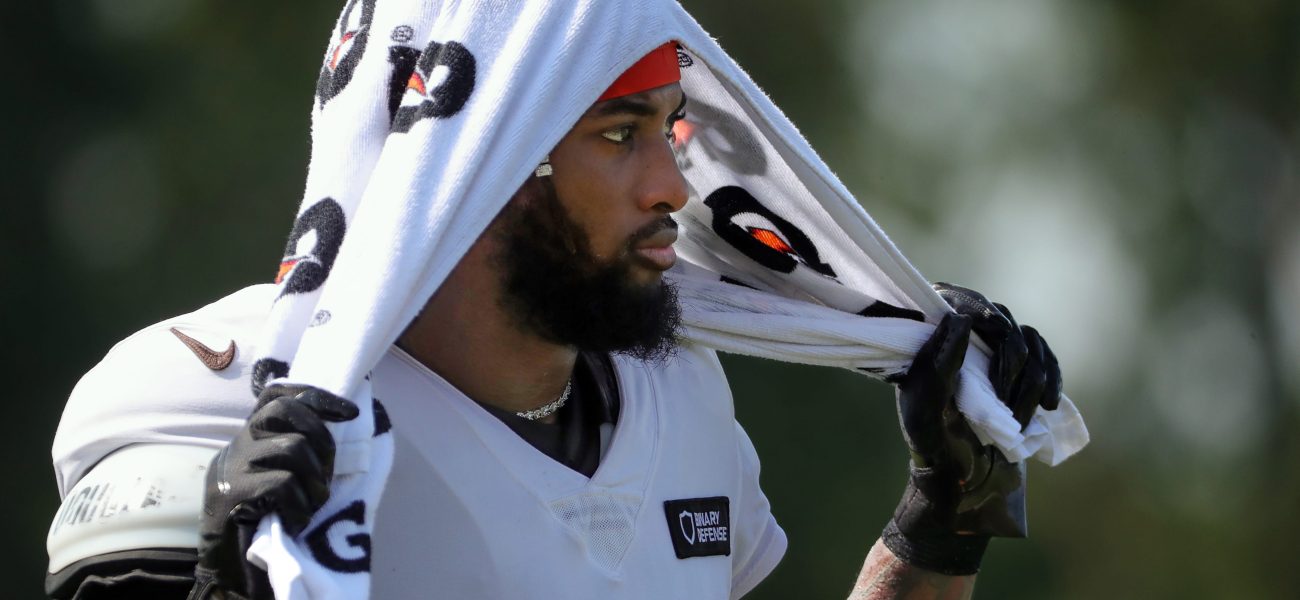
It’s not just about who’s left to carry the ball. It’s about who’s left to carry the banner, to present an acceptable public facade in a deeply scrutinized corporate enterprise. And that’s where cornerback Denzel Ward steps in, reluctantly or otherwise. He isn’t exactly a fresh face, having been drafted fourth overall in 2018. But now, it’s him. He’s the chosen inheritor of a weighty mantle, largely by default. Oh, the glamour. [QUOTE_PLACEHOLDER]
Ward, a Cleveland native—a true local success story, really—stands as the team’s longest-tenured member, boasting a resume that includes five Pro Bowl appearances. Browns coach Todd Monken, not one for effusive praise beyond the strictly necessary, observed on June 9 that Ward’s career has been a heck of a career, and it’s not over with yet. Well, you don’t say. The question, always, remains whether this elevated status will last, or if the ruthless logic of the NFL, like any market, will dictate another strategic trade.
And Ward insists he wants to stay put, stating on June 6, My les is a good friend of mine, a great teammate, but things aren’t lost. It’s Ohio against the world, so people could doubt us, but we [are] going out there still trying to play our best ball and bring wins to this city. That sort of grit, that parochial pride, probably plays well with the locals, bless their hearts. But team General Manager Andrew Berry’s phone isn’t suddenly going to stop working, implying more transactions aren’t off the table—especially for a roster in what one might politely call ‘perpetual rebuild mode’. This constant churning of talent—this dispassionate commoditization of human endeavor—isn’t just a fixture of American sports; it echoes in the financial centers of global powers, where corporate allegiances can shift with the market’s whims. One day, you’re the hero of the local conglomerate; the next, you’re simply a line item in a quarterly earnings report, and off to a rival firm.
The traditional ‘face’ of an NFL franchise is, invariably, the starting quarterback. Yet, Cleveland isn’t just far from normal; it’s a study in corporate liability management. Deshaun Watson, despite his undeniable on-field talents, comes saddled with what’s euphemistically referred to as abysmal approval ratings, stemming from poor play and more than two dozen women accusing him of sexual assault or sexual misconduct during massage appointments when he was a member of the Houston Texans. Because of that baggage, he can’t be the face of the franchise; it’s a branding disaster waiting to happen. Consider, for a moment, how such a narrative would play out in societies with different, perhaps stricter, public moral codes. In a place like Pakistan or parts of the wider Muslim world, for example, the severe societal repercussions and potential damage to public image for a high-profile figure facing similar allegations would be immense, often irrecoverable, reflecting deeply held values concerning personal conduct and honor. This isn’t just a sports footnote; it’s a profound cultural divide in what’s deemed publicly acceptable leadership.
Then there’s Shedeur Sanders. He’s got the charisma, sure, but his performance as a rookie wasn’t enough to solidify him as the long-term solution. He has face-of-the-franchise potential, but potential isn’t a cornerstone of policy; it’s just a promise. And promises, we know, often go unfulfilled.
📄 POLICY WIRE WHITEPAPER PUBLISHED: PAKISTAN'S NATIONAL SECURITY POLICY PRIORITIES
👉 READ BY CLICKING HEREOther contenders exist—safety Grant Delpit, linebacker Carson Schwesinger, tight end Harold Fannin Jr., defensive tackle Mason Graham, running back Quinshon Judkins, and defensive end Jared Verse, among them. But none have the combination of tenure, consistent performance, — and local roots that Ward embodies. Delpit, for instance, has yet to make a Pro Bowl through five NFL seasons. Schwesinger — and Verse have potential, both being recent NFL Defensive Rookie of the Year award winners. Still, anointing them now would be premature; premature declarations can undermine authority. And no, a handful of rookies don’t make for a compelling corporate narrative, not when the stakes are this high. Based on body of work and longevity, Ward’s case is the strongest of the bunch. his professional demeanor, described by teammate Tyson Campbell as bringing maturity, professionalism, just a vet mentality, always willing to help whoever is in, goes a long way. He also displays a commendable calm in certain situations, which is—believe it or not—a highly desirable trait in high-stakes environments, whether on the gridiron or in a contentious parliamentary debate.
Ward, much to the chagrin of traditionalists, skipped voluntary organized team activity practices this spring. It’s his collectively bargained right to skip them, and the importance of OTA participation for veteran non-quarterbacks is largely overblown. But that doesn’t stop the chatter, does it? He was on the field for mandatory minicamp, if only on a limited basis, but it doesn’t really matter how little he was there during voluntary sessions, does it? Because when it counts, the best players show up — and execute. For eight seasons, Ward has repeatedly delivered for the Browns, despite a frightening history of concussions, plaguing him at times.
It’d be a nice bit of sentimentality if this local guy, this one-time fourth overall pick, could truly become the unchallenged face of his hometown team and retire wearing the same uniform. Much of that, though, will depend on the often-merciless market forces embodied in Berry’s phone calls to decision-makers across the league. Public sentiment is one thing, asset management another entirely.
What This Means
The current state of the Cleveland Browns isn’t merely a sports story; it’s a telling parable of modern corporate branding and leadership succession in an age of intense public scrutiny. The departure of key figures and the fraught decision around Deshaun Watson’s role force a company, any company, to navigate a minefield of public opinion and ethical considerations. Denzel Ward’s ascendance isn’t organic; it’s a calculated move to install a relatively unblemished, consistent performer as the public standard-bearer. His local roots provide a ready-made narrative of authenticity and loyalty, a valuable commodity in an era of fleeting allegiances. Economically, this reflects the premium placed on ‘safe’ talent—individuals who can deliver on performance while simultaneously minimizing brand risk. Politically, the handling of figures like Watson highlights the evolving demands for accountability from public personas, regardless of their immediate sphere of influence. It suggests that in the interconnected global arena, local team decisions resonate with wider audiences, sometimes prompting uncomfortable comparisons with how similar ethical quandaries might be handled in differing cultural contexts, including across the Subcontinent. The game itself might be localized, but the optics are now truly global. This entire episode showcases how rapidly leadership voids can appear, and how carefully organizations must strategize their messaging to maintain any semblance of stability or integrity in the eyes of their increasingly cynical patrons.