

The New Subterranean Normal: Israel’s Unsettling Calm After Tehran’s Volley
POLICY WIRE — Tel Aviv, Israel — The laughter of children, usually echoing through city parks and schoolyards at this hour, is noticeably absent. Sidewalks, typically bustling, feel almost too wide...

POLICY WIRE — Tel Aviv, Israel — The laughter of children, usually echoing through city parks and schoolyards at this hour, is noticeably absent. Sidewalks, typically bustling, feel almost too wide now, too empty. This isn’t just a quiet Friday; it’s the peculiar calm of a nation holding its breath, pushing daily life underground, literally and figuratively, after a tense night that almost boiled over. We’re witnessing a subtle, unsettling shift in the rhythm of existence here.
It’s all part of Israel’s new playbook, the so-called restricted activity mode, slapped into effect following what Israeli officials termed Iran’s “unprecedented” missile and drone assault. What does that mean on the ground? For starters, schools are shuttered. For days now, students aren’t hitting the books; they’re hunkering down, or at least staying close to home. Limits on gatherings are strict, pushing everything from religious services to birthday parties into an enforced pause. People are learning to live—or try to—with a perpetual contingency plan humming just beneath the surface. [QUOTE_PLACEHOLDER]
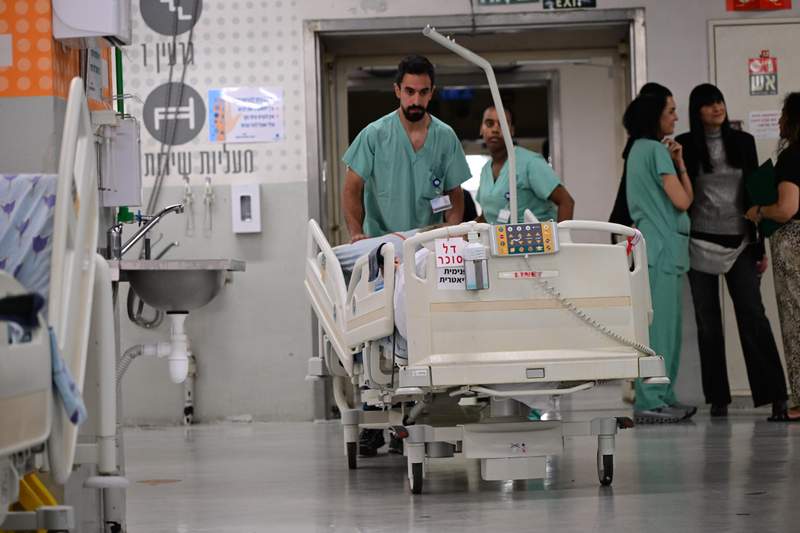
And yes, the whispers about underground hospitals aren’t fiction. Emergency services have initiated protocols that sound straight out of a Cold War-era exercise, reallocating resources, preparing fortified medical facilities for mass casualties, shielding essential services from any direct hit. This isn’t just about preparing for a conventional conflict; it’s about conditioning an entire society to an unpredictable, multi-front reality. A reality where the next threat could be over the horizon, delivered by anything from ballistic missiles to suicide drones.
The triggers for this unsettling transformation are, of course, the recent barrages from Tehran. Analysts called it an act of retaliation—a dramatic escalation in a shadow war that’s been festering for ages. Israel’s formidable air defenses, with support from allies, largely blunted the immediate impact. But the psychological reverberations? Those landed with full force. It’s an unnerving thought, that hundreds of projectiles can be lobbed in your direction in a single night. Because you know the next time, they might not be intercepted with such stunning efficiency.
Casual observers might think it’s business as usual. It’s not. Economically, this isn’t just a blip; it’s a drag. Flights are disrupted, businesses operate with skeletal crews, if at all. Supply chains feel the crunch, and investor confidence—already wobbly thanks to persistent regional instability—takes another hit. A recent report from the Israeli Ministry of Finance estimated a direct economic cost of approximately 200 million shekels (roughly $54 million USD) for every full day of complete national shutdown measures. That’s before considering lost tourism or long-term investment delays. People are just getting by.
The regional dominoes could be truly catastrophic. Consider the reaction across the broader Muslim world, particularly in Pakistan, a nation with its own complex relationship with Iran and a deep historical connection to the Palestinian cause. While officially condemning the attacks, public sentiment in some quarters often veers into solidarity with those seen as resisting Israeli actions. An overt military response from Tel Aviv against Iranian soil, no matter how 'limited' or 'surgical,' risks inflaming passions further, strengthening extremist narratives, and forcing fence-sitting nations into impossible diplomatic positions. It’s an incredibly fragile geopolitical environment, delicately balanced.
But let’s be blunt: Israel won’t simply absorb these strikes without a response. That’s not how deterrence works in this neighborhood. And for Tehran, backing down isn’t exactly a sign of strength to its regional proxies or its own populace, especially hardliners. We’re watching a game of very high-stakes poker, where a misread of intent could cascade into something truly awful.
What This Means
This forced 'restricted activity mode' isn’t merely a temporary measure; it’s a stark preview of how societies adapt—or struggle to—under chronic, high-tension warfare. Politically, it grants the current Israeli government, often beleaguered by internal dissent, a moment of national unity, however fleeting. Leaders can present a united front against an external threat, temporarily pushing domestic grievances to the backburner. But this isn’t sustainable. Prolonged economic disruption and constant public anxiety will eventually fuel political backlash, forcing a re-evaluation of long-term security strategies and diplomatic engagements. The question becomes: can Israel maintain its vibrant democracy when its population is constantly preparing for the next assault? It’s like living on an unforgiving gridiron, always anticipating the next hit, always in defensive formation.
For the region, Tehran’s brazen, direct attack—as opposed to relying solely on proxies—has reshuffled the deck. It legitimizes a more direct and visible retaliatory framework, pushing the 'shadow war' into brighter, more dangerous light. Countries like Saudi Arabia and the UAE, while officially silent or cautious, are acutely aware of the potential for broader conflict to destabilize their own economies and political structures. And Washington? Its primary objective is de-escalation, but every aggressive act from Tehran tightens the knot, making diplomacy harder and the risk of a miscalculation greater. Everyone’s looking for off-ramps, but nobody seems keen on taking them first.