
Sacred Sands & Tourist Traps: Pope’s Catalan Sojourn Navigates Faith, Funds
POLICY WIRE — Barcelona, Spain — Another pontiff, another carefully calibrated exercise in brand management. The Vatican, an entity not entirely unversed in the optics of large crowds and even larger...

POLICY WIRE — Barcelona, Spain — Another pontiff, another carefully calibrated exercise in brand management. The Vatican, an entity not entirely unversed in the optics of large crowds and even larger edifices, has announced Pope Leo’s itinerary for Catalonia, a region notoriously rich in both spiritual symbolism and outright tourism revenue. It isn’t just about kissing babies — and blessing relics, is it? No, this visit, slated to feature the perpetually unfinished grandeur of Antoni Gaudí’s Sagrada Familia and the craggy, almost defiant holiness of Montserrat mountain, is a masterclass in layered diplomacy.
It’s a tightrope walk, mind you. You’ve got Catalonia, a place that’s always seen itself as distinct, even separatist. The Church needs them. But they need the Church, too—or, at least, they’ve got a long, complicated history together. And the Sagrada Familia? It’s less a church, more an economic engine wrapped in stone and stained glass, a monumental construction site that’s been generating buzz, and income, for generations. Millions flock to it annually; its ongoing construction ensures a steady stream of curious patrons (and plenty of euros). We’re talking about a landmark that alone attracted nearly 4.7 million visitors in 2019, according to Sagrada Familia management figures, before the world hit pause. Think of the sheer devotional power there, but don’t forget the gift shop revenue.
Pope Leo, we’re told, understands the terrain. He isn’t just flying in for a pastoral blessing; he’s orchestrating a cultural touchpoint, threading the needle between genuine reverence and a savvy nod to local identity. “His Holiness recognizes the profound spiritual significance these sites hold for the Catalan people, an importance that transcends mere architectural appreciation or tourist footfall,” offered Vatican spokesperson Father Marco Gianelli, sounding remarkably earnest over an encrypted line. “It’s about acknowledging a community’s heart, a shared history.” That’s the official line, anyway.
Because, really, it’s also about global reach. The Catholic Church, despite its enormous moral authority in many parts of the world, often finds itself playing a long game on the international stage. Every public appearance, every carefully worded homily, isn’t just for the immediate audience. It’s echoed in Doha, debated in Karachi, — and dissected in Jakarta. For communities stretching from the Christian enclaves of the Middle East to the vast Muslim-majority populations of South Asia, the Pope’s pronouncements — even those seemingly localized — resonate far wider. This Catalan trip, framed as a celebration of faith and art, carries a broader message of unity, or perhaps, sustained relevance. It’s a message that might just nudge forward some quiet diplomatic endeavors elsewhere, away from the prying eyes of the tourist masses.
But the local politicians aren’t stupid. They see the crowds, they hear the international media hum. “This visit isn’t merely a spiritual event for Catalonia; it’s a profound recognition of our cultural identity on the global stage,” stated Catalan Regional President Pere Aragonès, his voice betraying a hint of self-satisfaction to local reporters. He’s not wrong. It’s free advertising, essentially. And it reinforces the narrative of a distinct, vibrant Catalan spirit, one the Vatican’s very public acknowledgement validates. It’s hard to argue for independence when the Holy Father himself seems to bless the very ground you stand on—a rather inconvenient truth for Spain’s central government, one imagines.
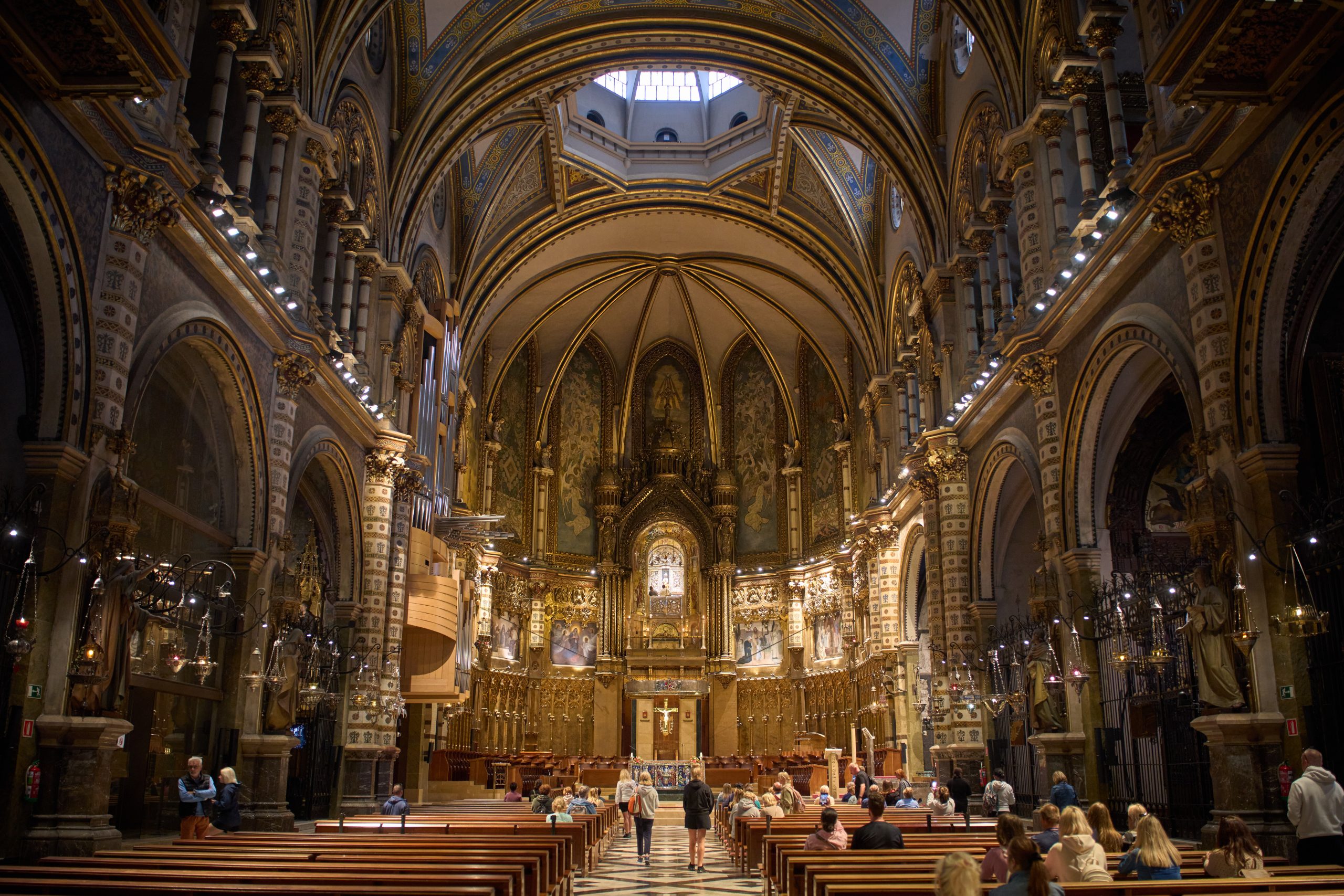
The Montserrat leg, too, isn’t just about gazing at stunning views. That mountain has been a pilgrimage site for centuries, housing the revered Black Madonna. It’s ancient faith, raw and undeniable. You’re not just seeing the Pope; you’re tapping into a continuous stream of belief that predates nations — and modernity. And who doesn’t love a bit of that unvarnished, old-world magic?
What This Means
Pope Leo’s Catalan venture isn’t a purely theological tour; it’s a shrewd combination of cultural diplomacy, strategic public relations, and a gentle assertion of the Church’s continuing influence in a rapidly secularizing continent. The Vatican knows the power of symbols, particularly architectural ones like Gaudí’s masterwork. Leveraging its popular appeal isn’t compromising faith; it’s a pragmatic way to engage with a modern populace often disconnected from traditional institutions. The region benefits from the influx of prestige and tourism, a boon that quietly underpins its claims for greater autonomy without overt political statements from Rome.
Economically, expect a bump. Hotels, restaurants, souvenir shops – they’re all gearing up. Because religious pilgrimages have always had an economic dimension, stretching back to Chaucer, haven’t they? Politically, it’s a careful dance: endorsing Catalan distinctiveness without explicitly endorsing independence, satisfying local fervor while maintaining cordial ties with Madrid. For the wider world, particularly nations where faith still holds considerable sway (think much of Asia, where interfaith dialogue and geopolitical jockeying for moral high ground are constants), the images of the Pope engaging with Europe’s rich, complicated religious landscape serve as a subtle reminder of the Church’s enduring global footprint. It’s a calculated move on a grand chessboard, really, with centuries of history informing every step.