


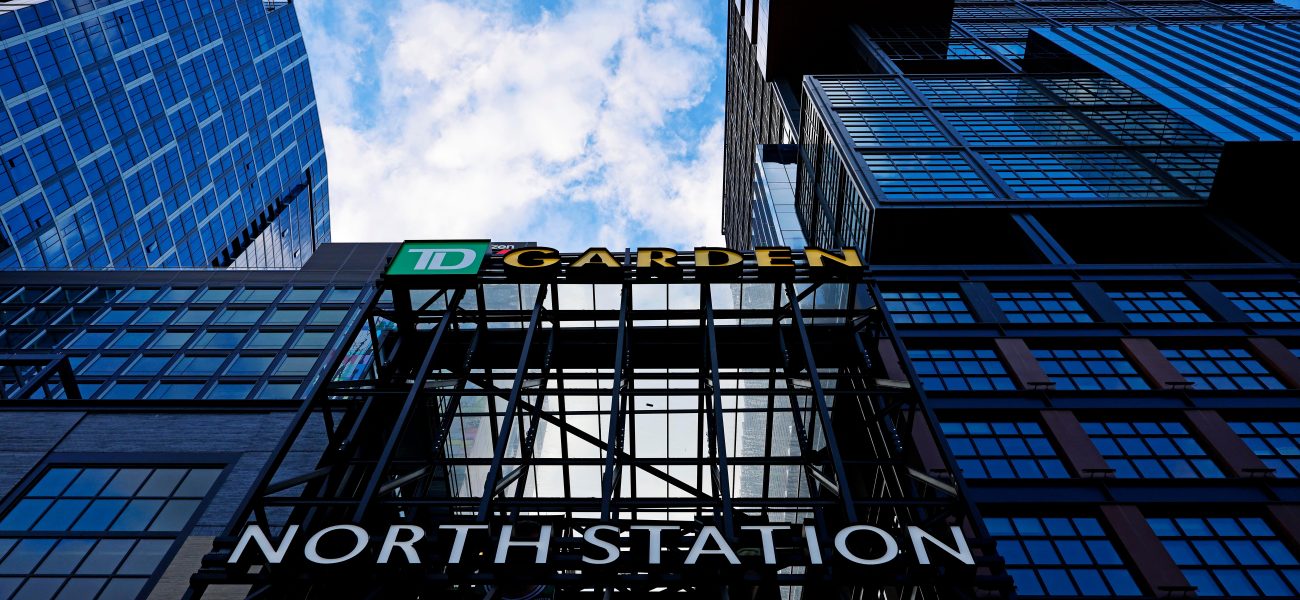
The Roar that Pays: Boston’s TD Garden Captures NBA’s Most Fervent Faithful, But the Real Game is Off-Court
POLICY WIRE — Boston, Massachusetts — The gladiatorial arenas of old might be long gone, but the primal scream of collective tribal loyalty? It’s still echoing, loud — and clear, across...

POLICY WIRE — Boston, Massachusetts — The gladiatorial arenas of old might be long gone, but the primal scream of collective tribal loyalty? It’s still echoing, loud — and clear, across America’s sporting landscapes. A recent player poll from The Athletic, one of those insider surveys usually kept hushed, just spilled the tea: NBA players feel Boston’s TD Garden is home to the league’s most passionate fans. But don’t let the cheers drown out the cold, hard math—that visceral roar translates directly into significant political capital and an undeniable economic advantage, far beyond just ticket sales.
It’s not some fluffy sentimentality these players are detecting. It’s the raw, unvarnished intensity of thousands, coalesced into a single, thrumming organism. The Celtics’ home court pulled in a staggering 20.5 percent of the overall vote, cementing its reputation. New York’s Madison Square Garden trailed not too far behind at 19.3 percent. Because, let’s be honest, sports isn’t just about athletic prowess anymore; it’s a spectacle, a carefully curated cultural phenomenon designed to extract emotion—and capital—from the masses. And few do it quite like these East Coast behemoths.
“It’s not just about wins; it’s about tribal loyalty that ownership groups, frankly, can take straight to the bank,” offered NBA Commissioner Adam Silver, speaking in a private league forum. “An energized fanbase is a quantifiable asset, signaling market stability — and lucrative long-term prospects. That kind of passion? It speaks volumes in corporate boardrooms — and legislative chambers alike.”
Oklahoma City’s Paycom Center snagged third place with 18 percent—a respectable showing for a smaller market that nonetheless punches above its weight in fan dedication. The San Antonio Spurs’ Frost Bank Center garnered 5.3 percent. These aren’t just arbitrary numbers; they’re an implicit endorsement from the very athletes who perform under these spotlights, often defining a building’s mystique just as much as its architectural footprint. And it informs everything from broadcast deals to municipal bond initiatives.
Look, TD Garden isn’t just concrete and steel, as Boston City Councilor Tania Ramirez asserted at a recent public planning meeting. “It’s where generations find their voice. That roar? It fuels everything, from local businesses to our city’s identity on the global stage. It’s an irreplaceable community asset, one we fight tooth — and nail to preserve and support.” She’s not wrong. Every successful team — and every vociferous fan base creates a ripple effect across urban economies.
But the story stretches further than North American borders. This brand of visceral fan loyalty, perfected in the West, is a potent export. For young people in places like Karachi, Pakistan, where cricket fields reign supreme, the NBA offers a tantalizing alternative, a glossy, high-energy spectacle accessible through global media. They might never set foot in TD Garden, but they can feel the fervor, aspire to it, and in doing so, become part of an expanding global consumer base. It’s how these domestic sporting institutions become international soft-power ambassadors, subtly shaping cultural preferences across disparate continents.
What This Means
The perception of fan passion, particularly at this elite level, holds considerable sway beyond locker rooms and highlight reels. For ownership groups, a top-tier fan experience validates premium pricing on tickets, merchandise, — and sponsorships. But it also enhances negotiating power with city governments over stadium improvements, tax abatements, or land development rights. Consider the quiet calculus of politicians in cities where such an economic engine—and emotional touchstone—resides; upsetting a fiercely loyal fanbase means political headaches. Nobody wants to be the mayor who fumbles a beloved sports franchise. So, while players cast votes on ‘passion,’ mayors — and councilors see bond ratings and constituent approval. It’s a game of leveraging soft power—the influence derived from cultural appeal—into hard financial and political wins.
This dynamic plays out in collegiate sports too, where fan enthusiasm translates to lucrative media deals and donor funds. Remember Indiana Football’s recruiting coup amidst college sports’ cash offensive? That sort of investment is predicated on the enduring, often irrational, devotion of the faithful. These arenas aren’t just venues; they’re crucial anchors of civic identity, magnets for tourism dollars, and powerful tools for urban branding. The NBA understands this perfectly. Its consistent global outreach aims to cultivate these same deep-seated loyalties in emerging markets, expanding the league’s economic footprint, even in places where local allegiances to sports like soccer or cricket still run deepest.
the poll highlights a crucial element of player psychology: environment matters. When players feel an electric charge from the crowd, it presumably elevates their performance, drawing them to specific team cultures. This creates a feedback loop: passionate fans attract better talent, which leads to more wins, which then amplifies fan passion. It’s a virtuous cycle for the Celtics, — and a warning for teams languishing near the bottom of these ‘passion polls’. A sterile, disengaged audience? That’s not just bad optics; it’s a tangible competitive disadvantage in the ruthless pursuit of championships and, let’s not forget, market share. But, truly, the biggest takeaway isn’t that Boston loves its team; it’s that those cheers are a quantifiable, bankable asset in an increasingly monetized world of sports politics and global entertainment.