

Grand Prix Gamesmanship: As Madrid Rises, Barcelona Battles for Scraps in F1’s Shifting Empire
POLICY WIRE — Barcelona, Spain — The roar of engines, the scent of burning rubber, the glitz, the glam. It’s a familiar spectacle. But what often goes unnoticed amidst the high-octane drama is the...

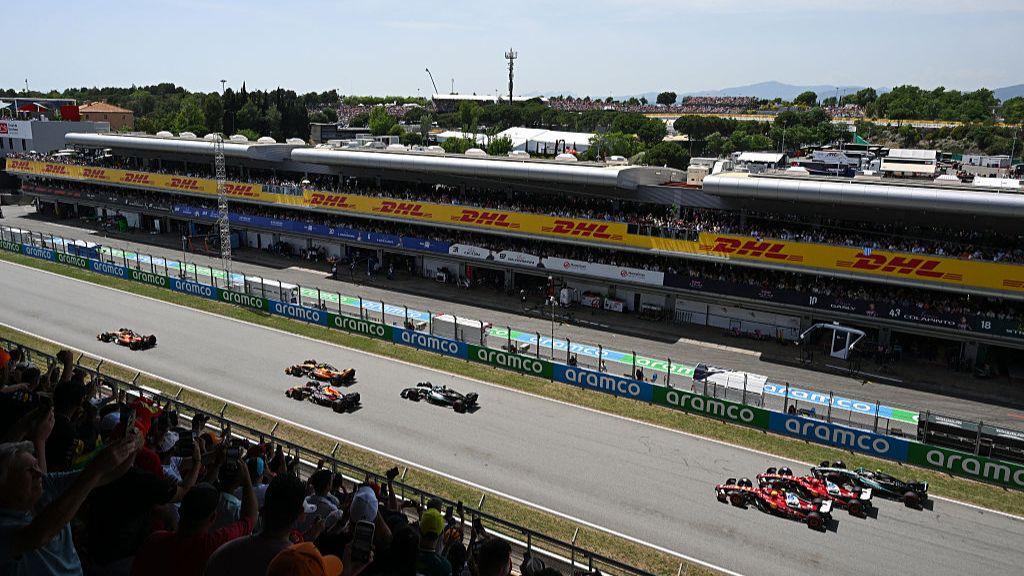
POLICY WIRE — Barcelona, Spain — The roar of engines, the scent of burning rubber, the glitz, the glam. It’s a familiar spectacle. But what often goes unnoticed amidst the high-octane drama is the silent, often ruthless, politics behind the circuit. Barcelona-Catalunya, once the proud home of the Spanish Grand Prix, finds itself in a peculiar sort of twilight—a sort of grand old dame, still capable of drawing a crowd, but definitely feeling the squeeze.
Because come June 12-14, when the lights finally wink out for round seven of the 2026 Formula 1 campaign, it’ll be the Barcelona-Catalunya Grand Prix, not the ‘Spanish Grand Prix.’ That title? It’s already been poached. Madrid, with its shiny new, purpose-built Madring circuit, a concoction of public roads and private land, is the new darling, poised to host the actual Spanish Grand Prix later in September. It’s a game of musical chairs, and Barcelona just lost a prime seat, relegated to an alternating schedule with Spa-Francorchamps until 2032. You can’t help but feel a certain irony.
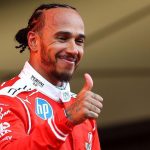
Yet, the race itself—the seventh on this year’s calendar—still promises a heck of a show. Mercedes wunderkind Kimi Antonelli is on a roll, having snatched his fifth consecutive victory in Monaco. That’s right, five straight. He’s now stretched his lead to a chunky 66 points in the drivers’ championship, leaving rivals chewing dust. Lewis Hamilton, in his scarlet Ferrari, managed another podium finish, climbing above George Russell in the standings. Russell? Well, he’s plummeted to third, 68 points adrift of his teammate, having failed to score points for the second weekend running. One of those streaks, for good or ill, will have to break, wouldn’t you say?
The track, originally conceived as part of the infrastructure boom surrounding the 1992 Barcelona Olympics, feels, in some respects, a relic of a bygone era. A symbol of national ambition—now fractured. You’ve got to wonder what goes on in the minds of the regional tourism bigwigs. Josep Soler, Catalonia’s Regional Minister for Tourism, for instance, put on a brave face, telling Policy Wire, “We understand the dynamic nature of global sport. While the national branding has shifted, our circuit offers an unrivaled legacy — and a passionate fan base. We’re confident in Barcelona’s continued appeal, despite—or perhaps because of—this new arrangement.” Political spin, anyone?
Weather for the weekend? Predictably Spanish: hot, dry, sunny. Temperatures are set to hit 26°C for practice and qualifying, nudging 27°C come Sunday’s main event, which kicks off at 14:00 BST. Great for the drivers, maybe not so much for the pit crews baking in the sun. Or the spectators whose commitment will, once again, be severely tested. The whole thing’s a well-oiled machine, isn’t it? Practice sessions on Friday, qualifying on Saturday, — and then the big one.
But the real story isn’t just about Antonelli’s dominance or the glorious Catalan sunshine. It’s about F1’s insatiable quest for new markets, new money. Stefano Domenicali, F1’s CEO, doesn’t mince words—or rather, he doesn’t often have to. But a source close to the FIA executive board recounted Domenicali’s private remarks: “We’re not just selling races, you see. We’re selling a narrative, an experience, — and frankly, some rather aggressive GDP boosters for our partners. Sometimes, tradition has to make way for progress—and fresh capital.” And it seems progress, or rather profit, is steering the ship.
Think about the implications globally. Where will this chase for the newest, brightest circuit lead? Could a future grand prix grace, say, Lahore or Dhaka? It’s not a stretch. F1 viewership in countries like Pakistan, for instance, has reportedly swelled by nearly 150% in the last decade, according to internal marketing reports from Liberty Media (the owners of F1) for 2023. These aren’t traditional motorsport strongholds, but their burgeoning middle classes and appetite for global spectacle make them attractive prospects for an organization that’s constantly on the hunt for expansion and new streams of revenue.
📄 POLICY WIRE WHITEPAPER PUBLISHED: PAKISTAN'S NATIONAL SECURITY POLICY PRIORITIES
👉 READ BY CLICKING HEREWhat This Means
This geographic shuffle—Barcelona losing the coveted ‘Spanish Grand Prix’ title to Madrid—isn’t just a scheduling change; it’s a symptom of F1’s broader economic and political strategy. The sport, driven by significant capital investment and commercial ambitions, prioritizes markets promising higher financial returns and newer infrastructure. Barcelona’s circuit, while storied — and capable, now stands in stark contrast to Madrid’s purpose-built track. This creates an implicit, or perhaps quite explicit, arms race between host cities.
Economically, it fragments the lucrative ‘Spanish’ tourism pie, diluting Barcelona’s unique selling proposition. Local Catalan businesses, long accustomed to the primary F1 spotlight, now face increased competition. Politically, it’s a subtle victory for the centralized Spanish government—bolstering Madrid’s status as a premier global event city—potentially at the expense of regional identities that thrive on such international visibility. This move forces host circuits into a constant state of reinvention, an endless battle to justify their existence in a calendar that always seems to want something newer, glossier, or more centrally located. For places like Barcelona, once Olympic darlings, it’s a cold reminder that sporting legacies don’t always translate into guaranteed future income. Sometimes, money talks louder than history.
As for British fans looking to catch the action: BBC Radio 5 Live, BBC Sounds, and the BBC Sport website and app will have commentary. You can ask most smart speakers to ‘play BBC Radio 5 Live’ or ‘play BBC Radio 5 Sports Extra.’ The post-race show? That’s now live on BBC iPlayer — and YouTube, which, if you think about it, makes it quite accessible. Everyone wants to stay plugged in, don’t they?