

Monaco’s New Crown: Antonelli Ascends, Hamilton Grapples with Ghost of Greatness
POLICY WIRE — MONTE CARLO, MONACO — The Mediterranean sun baked the Principality, but on the tarmac of Monaco, a cold reality settled in for a Formula 1 legend. Kimi Antonelli, still damp behind the...

POLICY WIRE — MONTE CARLO, MONACO — The Mediterranean sun baked the Principality, but on the tarmac of Monaco, a cold reality settled in for a Formula 1 legend. Kimi Antonelli, still damp behind the ears at 19, didn’t just win the Grand Prix; he commanded it, effectively putting an exclamation point on a generational shift that Lewis Hamilton, the sport’s most decorated driver, now navigates with visible effort. It’s not just a passing of the torch; it’s an active wrenching, — and watching it unfold is brutal entertainment.
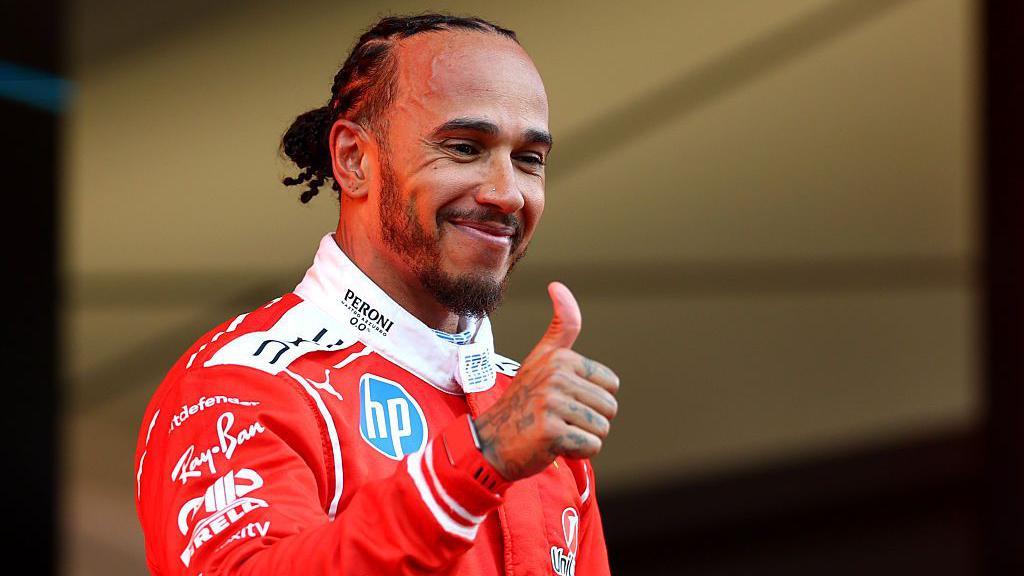
Hamilton, having notched another P2 finish—his second straight—found himself pondering narratives. “My fans last year were telling me to remind me of who I am, and now I’m having to show up each weekend and try to do that,” he quipped post-race, a hint of exhaustion laced into his dry humor. But that ‘reminding’ bit feels less like a comeback story these days, more like an aging statesman holding court as the next leader steps onto the podium, practically pushing him aside.
The Ferrari situation? Well, it’s a whole melodrama. After a frankly awful 2025 debut with the Scuderia, Hamilton’s 2026 feels… improved. But that’s like saying a torrential downpour has become merely a heavy rain. His car’s more suited to his style, sure. The aerodynamic changes introduced this season helped. He credits team principal Frederic Vasseur, saying, “Fred has been awesome in supporting me. Last year was a really, really tough year for us, and begging him for certain changes, he pulled through, and he did those.” And that’s a professional way of saying Vasseur probably moved mountains just to keep Hamilton from publicly dissolving into a puddle of self-doubt last year.
Then there’s the chaos lurking just outside Hamilton’s seemingly serene cockpit. Teammate Charles Leclerc crashed out, blaming faulty brakes—a repeating saga. “It’s borderline dangerous,” Leclerc declared, his frustration palpable, hinting at systemic issues Ferrari can’t seem to shake. It makes Hamilton’s relatively stable second place feel like an act of god, doesn’t it?
Antonelli, on the other hand, was operating on another plane. Hamilton openly admits it. “I just got to see him pull away,” he sighed. “The performance they’ve is next level.” This kid, who’s currently running away with the championship—66 points clear of Hamilton, who’s somehow P2 in the standings—is making the ‘next generation’ more than just a buzzword. It’s a statement. And Antonelli’s win also pushes Hamilton’s personal Monaco podium count to eight, level with the late Ayrton Senna, a statistic that feels almost quaint amidst the sheer velocity of modern F1.
The F1 machine, of course, churns regardless of individual triumphs or tribulations. As a commercial behemoth, it’s constantly scouting for fresh blood—both drivers and markets. Take its push into the Middle East — and Asian markets. F1 viewership in the Asia-Pacific region, for instance, surged by an impressive 15% last year, according to F1’s own data. They’re investing heavily. So, while Hamilton battles Antonelli — and Ferrari’s dubious braking systems, the big picture involves grander moves. The sport, you see, isn’t just about speed anymore; it’s about geopolitics, global branding, and the lucrative soft power that comes with hosting glamorous races in nations eager to project a modern image—even if, occasionally, a car spins off into a wall.
📄 POLICY WIRE WHITEPAPER PUBLISHED: PAKISTAN'S NATIONAL SECURITY POLICY PRIORITIES
👉 READ BY CLICKING HEREWhat This Means
This Monaco race, beyond the glitz — and gratuitous wealth, offers a sharp lesson in sporting entropy. For Hamilton, it’s a redefinition of ‘greatness’—not about winning, but about fierce, almost desperate, competitiveness in the face of inevitable decline. His supposed resurgence feels more like a managed decline compared to Antonelli’s blistering ascent. Politically, this generational shift impacts sponsor appeal — and viewership demographics. F1’s financial ecosystem thrives on compelling narratives, and a dominant young gun like Antonelli, coupled with a struggling veteran like Hamilton, is gold. It’s why Saudi Arabia continues its aggressive sports washing through events like the Jeddah Grand Prix; they’re buying into stories and global attention, positioning themselves as future hubs for sporting investment, regardless of controversies.
The persistent internal issues at Ferrari, highlighted by Leclerc’s complaints about ‘dangerous’ brakes, also have broader economic implications. A top-tier team consistently underperforming because of systemic issues erodes brand value, disappoints high-spending fans, and can lead to internal upheaval. The Monaco meltdown itself, complete with track-breaking asphalt and multiple safety cars, underlines the razor’s edge of engineering, track conditions, and driver skill. As F1 pushes into diverse global markets, from the gilded streets of Monaco to the nascent fanbases in places like Pakistan, it isn’t just selling speed. It’s selling aspiration, technological prowess, and human drama—all on a precarious, high-stakes stage.