


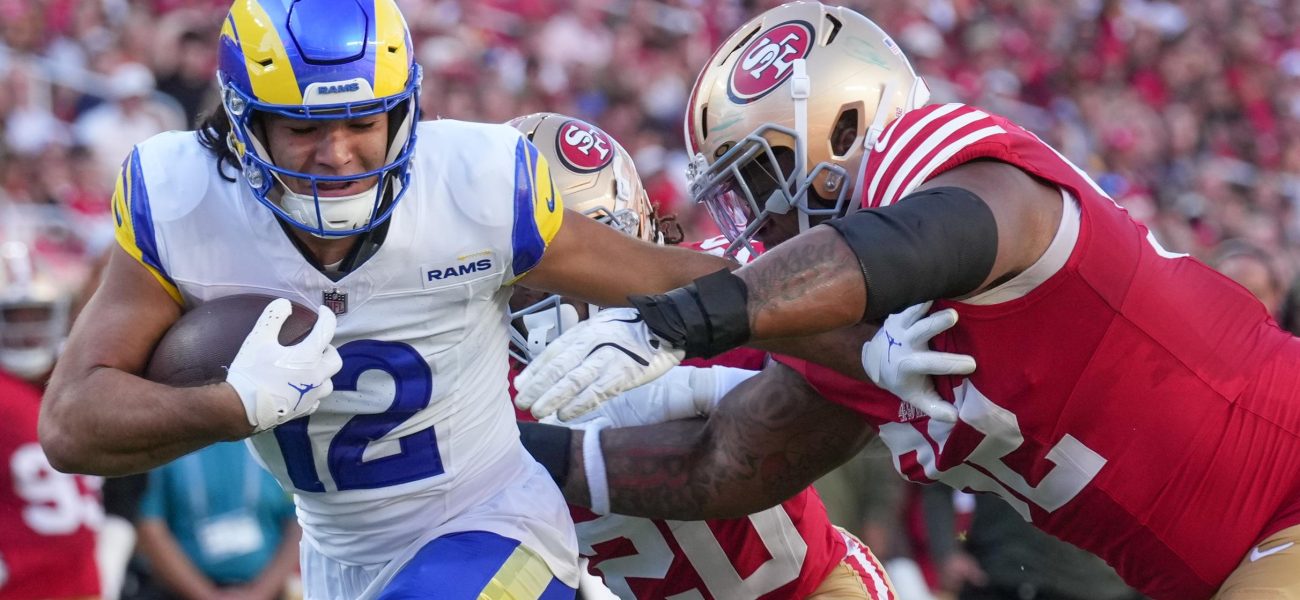
The Rams’ Stealth Masterclass: How a ‘B’ Draft Became the League’s Unlikely A+
POLICY WIRE — Los Angeles, CA — Forget the glittering names and the high-stakes gambles that dominate draft night headlines. Sometimes, the true strategic genius in the brutal world of professional...

POLICY WIRE — Los Angeles, CA — Forget the glittering names and the high-stakes gambles that dominate draft night headlines. Sometimes, the true strategic genius in the brutal world of professional sports, much like the intricate dance of international diplomacy, quietly unfolds far from the spotlight. Take the Los Angeles Rams’ 2023 NFL draft class. It started life with a decent, but hardly earth-shattering, ‘B’ grade from the league’s opinion-makers, a bland nod to respectable effort. Fast forward a couple of seasons, though, and that same cohort isn’t just respectable; it’s become an almost brazen rebuke to conventional scouting wisdom, officially re-graded by CBS Sports’ Pete Prisco as a staggering A+.
It wasn’t a collection of household names; it was a haul built on what general manager Les Snead often calls a bone-deep belief in scouting over hype. Because when the Rams rolled into the draft that year, they did so without a first-round pick, a commodity most teams consider—rightly—the very oxygen of future success. But the Rams didn’t just survive that limitation; they absolutely thrived in its shadow, digging up gold where others saw only dirt. And it paid off. Big.
Many folks know the Puka Nacua story, sure. A fifth-round wide receiver, he came in — and smashed records, nearly bagging Offensive Player of the Year in 2025. That kind of talent from the nether regions of the draft? That’s what every franchise is chasing, the kind of market inefficiency every shrewd investor craves. But the brilliance of this Rams class extends way beyond one astonishing receiver. We’re talking a whole platoon of unexpected difference-makers.
“We don’t chase headlines; we chase value,” Snead has been quoted as saying, often with that knowing glint in his eye that suggests he’s always five steps ahead. “Building a roster isn’t about collecting shiny objects; it’s about fitting the right pieces, even if nobody knows their name on draft day.” It’s a philosophy that prioritizes raw potential and cultural fit over perceived blue-chip status, a risky proposition that, when it hits, delivers outsized returns.
In that same 2023 draft, without a single first-round selection to their name, the Rams snagged guard Steve Avila in the second round, a consistent, punishing presence on the offensive line. Then came defensive linemen Byron Young — and Kobie Turner in the third. Young, especially, exploded in 2025, notching an astounding 12.5 sacks, per Pro Football Focus. That’s top-tier production from a guy who wasn’t even projected to be a full-time starter. Turner also proved a stalwart, chewing up blocks — and collapsing pockets. And Avila, along with Turner, now looks set for a substantial contract extension, their value soaring faster than a bitcoin during a bull run. Warren McClendon, a right tackle, also a fifth-rounder, found himself a starting gig.
“Look, I gave ’em a ‘B’ initially because, hey, I’m only human,” confessed CBS Sports analyst Pete Prisco recently, candidly addressing his initial assessment. “Who could’ve seen this coming? This class is the kind of moonshot every GM dreams of, but most only ever hit foul balls on.” His revision speaks volumes, doesn’t it?
This kind of meticulous, often overlooked scouting strategy has wider echoes. It reminds one of the painstaking diplomatic efforts in less-publicized geopolitical arenas. For instance, the way Pakistan and Qatar have often stepped into mediator roles, quietly facilitating dialogues and de-escalating tensions when major powers hesitate. Their contributions, like the Rams’ late-round gems, aren’t always initially acknowledged as the headline acts, but their strategic importance becomes undeniable over time. It’s about leveraging every available resource, no matter how small or undervalued it seems.
Sure, there were misses – like quarterback Stetson Bennett, who hasn’t quite panned out. But you don’t build a monument to greatness on perfection; you build it on batting averages. And the Rams’ average here? Phenomenal. Five starters from a draft class without a first-round pick? That’s not luck; that’s a system working, defying conventional wisdom at every turn. It’s a classic tale of shrewd management unearthing profound value in places others neglected, demonstrating that sometimes, the greatest treasures aren’t found at the top, but are patiently dug up from the deeper layers.
What This Means
The Rams’ audacious draft triumph signals more than just a successful football season; it presents a compelling case study for modern organizational strategy. Economically, their approach is a masterclass in capital efficiency. By cultivating starters from late-round picks, the team significantly reduces its dependency on exorbitant contracts for free agents or high-priced early-round selections, freeing up salary cap space—a precious resource—for other strategic investments. This ‘build-from-within’ model, driven by exceptional scouting, offers a powerful counter-narrative to the prevailing big-money, blockbuster trade philosophy that often dominates team building.
Politically (within the corporate politics of professional sports), this kind of sustained, quiet success without marquee initial splashes strengthens the hand of general managers like Snead who prioritize deep analysis and a long-term vision. It shifts leverage; it can even pressure other franchises to reassess their own scouting apparatuses — and risk profiles. We might just see a new wave of GMs empowered to take chances on undervalued talent, potentially reshaping the very economic and strategic landscape of the league, emphasizing smart, sustainable growth over instant, but often ephemeral, glory. It proves you don’t always need the biggest budget or the flashiest approach to win; you just need to know where to dig.