


Pikachu & Profits: Japan’s New Game Plan for Global Domination
POLICY WIRE — Tokyo, Japan — The global contest for tourist dollars and cultural cachet isn’t being fought with tariffs or trade agreements alone anymore. Nations, increasingly desperate for novel...

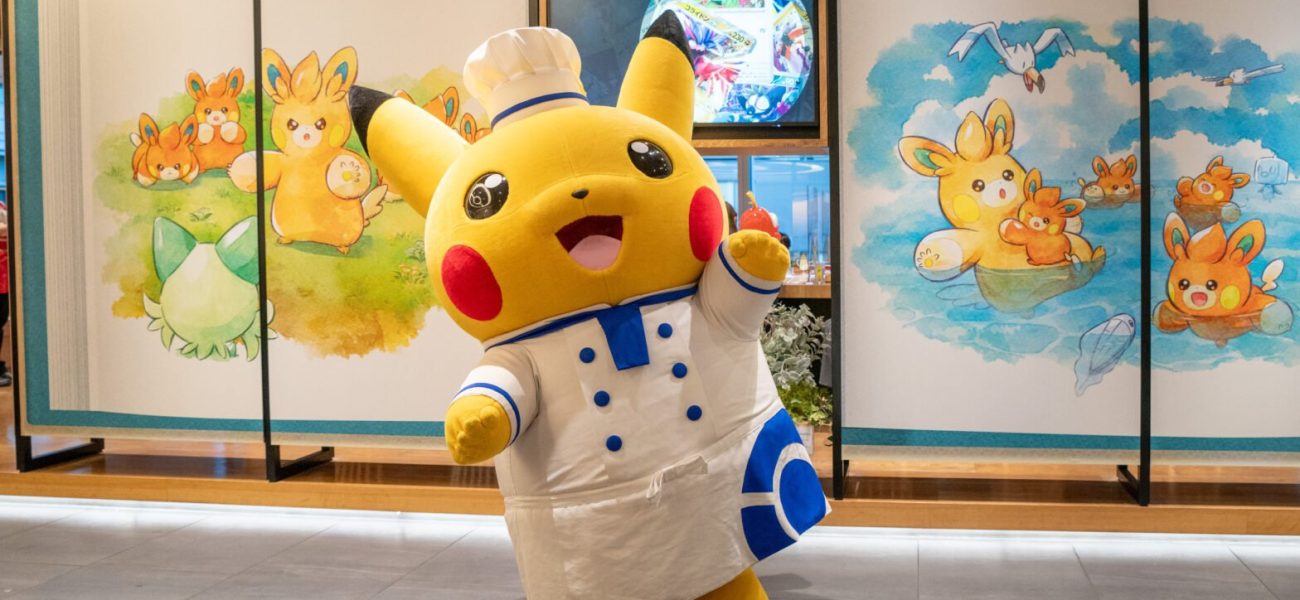
POLICY WIRE — Tokyo, Japan — The global contest for tourist dollars and cultural cachet isn’t being fought with tariffs or trade agreements alone anymore. Nations, increasingly desperate for novel ways to pump life back into sagging economies, are now unleashing their most peculiar, potent weapon: whimsy. Take Japan, a country known for both meticulous engineering — and adorable pocket monsters. Its latest move? Turning a perfectly functional airport, complete with runways and air traffic control, into a bona fide Pokémon theme park this summer.
It’s an audacious gambit, really. Forget your traditional gift shops — and sterile check-in counters. Imagine arriving at Central Japan International Airport (Centrair), not to the usual droning announcements, but to the promise of hunting a rare digital creature, or maybe just posing with a giant plush Pikachu. They’re calling it a “Pokémon Wonder” exhibition, but don’t kid yourself, this isn’t just child’s play; it’s an economic lifeline wrapped in a vibrant, family-friendly package. And it tells us something profound about the shifting tectonics of soft power.
“We’re beyond the era of simply marketing our landscapes or our culinary delights,” stated Mr. Hiroshi Ozawa, a spokesperson for the Japan National Tourism Organization (JNTO), in an exclusive Policy Wire interview. “While those remain important, the modern traveler, particularly the younger demographic, seeks immersion. They want to live their passions, even if for just a few days. Pokémon offers that global language of shared experience, transcending borders.”
Ozawa isn’t wrong. Because in a world reeling from lingering geopolitical anxieties and unpredictable economic gusts—you know, the usual dreary stuff—a little manufactured joy goes a long way. But it’s not just about a temporary attraction. This particular move by Japan’s government-backed initiatives, in partnership with The Pokémon Company, is a calculated escalation in its efforts to solidify ‘Brand Japan’ on the world stage. They aren’t just selling souvenirs; they’re selling an experience, a memory, a story that gets shared a million times over on social media. They’re banking on the power of nostalgia — and novelty to drive direct economic benefit.
Centrair is not just any old air hub. It serves a significant chunk of central Japan, a region keen to capitalize on inbound tourism. The country, pre-pandemic, had set aggressive targets, and in 2019, saw a record 31.88 million foreign visitors, according to the JNTO. While numbers have been recovering, reaching those peaks again requires innovative thinking. And what’s more innovative than transforming mundane infrastructure into a fantasy land?
“This project represents our belief in the power of ‘Cool Japan’ to invigorate regional economies,” explained Kenji Tanaka, an advisor within the Ministry of Economy, Trade and Industry, speaking to us from his office in Kasumigaseki. “We’ve invested in cultivating these cultural industries for decades. Now, we’re strategically deploying them to drive recovery and secure Japan’s position not just as a technological powerhouse, but as a cultural wellspring, an exporter of joy.”
This export of joy isn’t confined to wealthy Western markets either. Japanese pop culture, particularly anime and gaming, holds a significant, often underestimated, sway across the developing world, including regions like South Asia. Pakistan, for instance, a nation grappling with its own economic hurdles and looking for diverse avenues for international engagement and inbound capital, sees considerable interest in Japanese media. Fans in Karachi and Lahore consume Japanese anime with a voraciousness that would surprise many in Washington or London. Imagine the potential for similar, culturally-aligned experiences there, tailored to their own vibrant local narratives—perhaps a ‘Pakistani Folktale Kingdom’ at Jinnah International. Or maybe, just a more robust, stable economy that naturally attracts diverse investments. Either way, the principle holds: cultural soft power isn’t just for established economies; it’s a global tool.
What This Means
This gambit by Japan isn’t just about fun and games; it’s a textbook case of deploying strategic cultural assets to achieve very real economic and diplomatic objectives. First, the immediate economic ripple. Increased foot traffic through Centrair translates to more spending—on tickets, food, merchandise, and local accommodation. This isn’t groundbreaking, but the scale — and focus on a globally recognized brand like Pokémon is. It’s a precise marketing strike, aiming for families — and young travelers who might otherwise bypass regional airports.
Second, there’s the ‘soft power’ play. In an age where China’s cultural exports often struggle with political baggage, and Hollywood grapples with domestic divisions, Japan’s ‘Cool Japan’ strategy, spearheaded by its endearing cultural exports, feels increasingly pristine. It cultivates goodwill, enhances diplomatic ties implicitly, and positions Japan as a global leader in creative economy. Other nations, from Qatar seeking to diversify beyond oil, to aspiring cultural hubs in Africa, are watching closely how Japan transforms cultural resonance into concrete financial returns. It’s an example of economic diversification and national branding that’s far less confrontational—and arguably more effective—than traditional forms of international influence. And it gives us all a little break from the relentless grimness of the news cycle. At least for a bit. Perhaps it even helps build a bridge between nations, one Pokémon at a time.