


Modi’s Euro-Gulf Gambit: New Delhi Weaves Global Lifelines Amidst Tumult
POLICY WIRE — New Delhi, India — The old order? It’s not just shaking; it’s practically rattling apart, leaving capitals worldwide scrambling for firm ground. With global markets doing...

POLICY WIRE — New Delhi, India — The old order? It’s not just shaking; it’s practically rattling apart, leaving capitals worldwide scrambling for firm ground. With global markets doing the Macarena and old alliances looking decidedly dusty, leaders are forced to play an entirely different game. One of those leaders, Indian Prime Minister Narendra Modi, isn’t waiting for the dust to settle. No, he’s out there, chisel in hand, etching new pathways, recalibrating friendships with the pragmatic finesse of a seasoned diplomat.
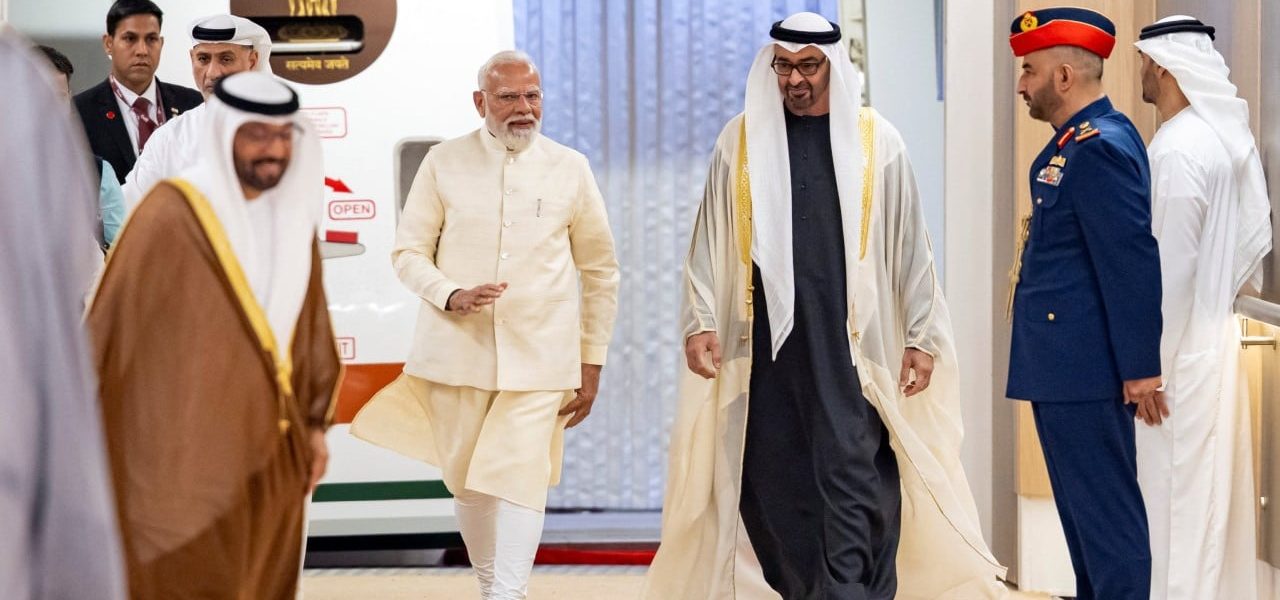
His recent whirlwind through the United Arab Emirates, the kickoff of a sprawling five-nation journey that will also drag him through the Netherlands, Sweden, Norway, and Italy, isn’t about pleasantries alone. Far from it. This wasn’t some grand photo-op vacation; it was a bare-knuckle grab for strategic opportunity, a calculated gambit to insulate India from the increasingly chaotic churn of international affairs.
Because let’s face it, the world’s a mess. Oil prices are doing acrobatics, still reacting to geopolitical tremors that ripple from the US-Israel standoff in the Gulf, and the Middle East’s diplomatic plates are grinding against each other beneath everyone’s feet. But Modi sees—or at least pretends to see—a chance. A chance for India to carve out a new niche, not as a client state, but as a principal player. And this, folks, is what real hedging looks like.
In Abu Dhabi, the desert wasn’t just shimmering; it was brimming with the promise of cold hard cash. And influence. India isn’t merely seeking energy stability; it’s actively seeking robust investment partnerships, deep technical collaboration, and perhaps, a deeper slice of that considerable Emirati pie. Indian expatriates form the backbone of the UAE’s workforce, providing a built-in cultural — and economic link. But it’s more than remittances now.
“India doesn’t just adapt; we innovate our friendships. We build bridges where others see only chasms,” Modi reportedly quipped during a closed-door meeting, sources close to the delegation revealed. A bold statement, certainly. It speaks to a broader ambition: moving beyond traditional non-alignment to what some might call ‘multi-alignment’ – a networked web of relationships designed for maximum resilience.
This aggressive outreach, especially to nations that share significant economic and historical ties with other South Asian players, like Pakistan, offers a potent —if silent— diplomatic statement. As India strengthens its footprint in the UAE, it subtly but surely reconfigures regional power dynamics. It recalibrates expectations for all parties involved, prompting Islamabad to inevitably scrutinize its own long-standing alliances and economic lifelines with its Gulf partners. This sort of direct engagement, circumventing traditional regional channels, is the new normal. Forging tighter bonds with nations across the Muslim world and Europe positions India as a more autonomous, agile actor.
But the visit to Europe wasn’t just for sightseeing. Those are crucial stops, make no mistake. The continent, perpetually grappling with its own existential crises, offers advanced tech, defense innovation, and diverse markets that India craves. “Our ties with Delhi aren’t merely transactional; they’re foundational to a more resilient future for us and for the wider region,” an aide to Sheikh Abdullah bin Zayed Al Nahyan, the UAE’s Foreign Minister, stated, underlining the reciprocal nature of these engagements.
📄 POLICY WIRE WHITEPAPER PUBLISHED: PAKISTAN'S NATIONAL SECURITY POLICY PRIORITIES
👉 READ BY CLICKING HEREIndeed, India’s non-oil trade with the UAE already soared past $50 billion last year, putting it firmly on track towards an ambitious $100 billion target within the next three years, according to figures released by India’s Ministry of Commerce. Those numbers don’t lie. They speak to a hunger for sustained growth, a desire for robust buffers against global volatility. It’s an economy on the rise, looking to lock in friends — and money.
This proactive foreign policy, driven by a blend of economic necessity and geopolitical ambition, paints a picture of a nation keenly aware of its surging capabilities but also its deep vulnerabilities. India wants to play at the grown-ups’ table, but it knows the cost of admission is constant engagement, and perhaps, a few uncomfortable compromises along the way. (Emirati diplomatic overtures, after all, aren’t without their own complexities.)
What This Means
Modi’s recent foray isn’t just about bilateral agreements; it’s a profound strategic recalibration for India. Economically, securing supply chains and diversifying investment sources—especially from cash-rich Gulf nations and tech-forward European economies—provides a much-needed bulwark against unpredictable global swings. Think energy prices, sure, but also critical minerals — and advanced manufacturing capabilities. This approach minimizes reliance on any single superpower, a smart play given the ongoing friction between Washington and Beijing. And from a political standpoint, these deepened relationships enhance India’s diplomatic heft, positioning it as an indispensable partner for multiple blocs. It allows Delhi greater leverage on various international stages, turning its ‘strategic autonomy’ from a theoretical concept into tangible diplomatic clout. It also serves as a clear signal to China: India isn’t just a regional player; it’s a global networker. India’s demographic muscle needs new markets, and fast. This tour wasn’t just about immediate wins; it’s about setting the stage for India’s long-term play in a decidedly fractious world. It’s realpolitik, naked — and unadorned, painted in shades of trade deals and cultural exchanges.