


From Poster Child to Precipice: Bangladesh’s Family Planning Crisis Echoes Regional Unrest
POLICY WIRE — Dhaka, Bangladesh — They called it a miracle. For years, development mavens — and international aid agencies beamed, pointing to Bangladesh. This small, crowded delta nation, seemingly...

POLICY WIRE — Dhaka, Bangladesh — They called it a miracle. For years, development mavens — and international aid agencies beamed, pointing to Bangladesh. This small, crowded delta nation, seemingly destined for demographic despair, had somehow managed the impossible: it slashed its birth rates, distributing pills and advice right to women’s doorsteps. A genuine success story, we were told—a testament to what relentless public health outreach could achieve, even in the poorest corners of the globe.
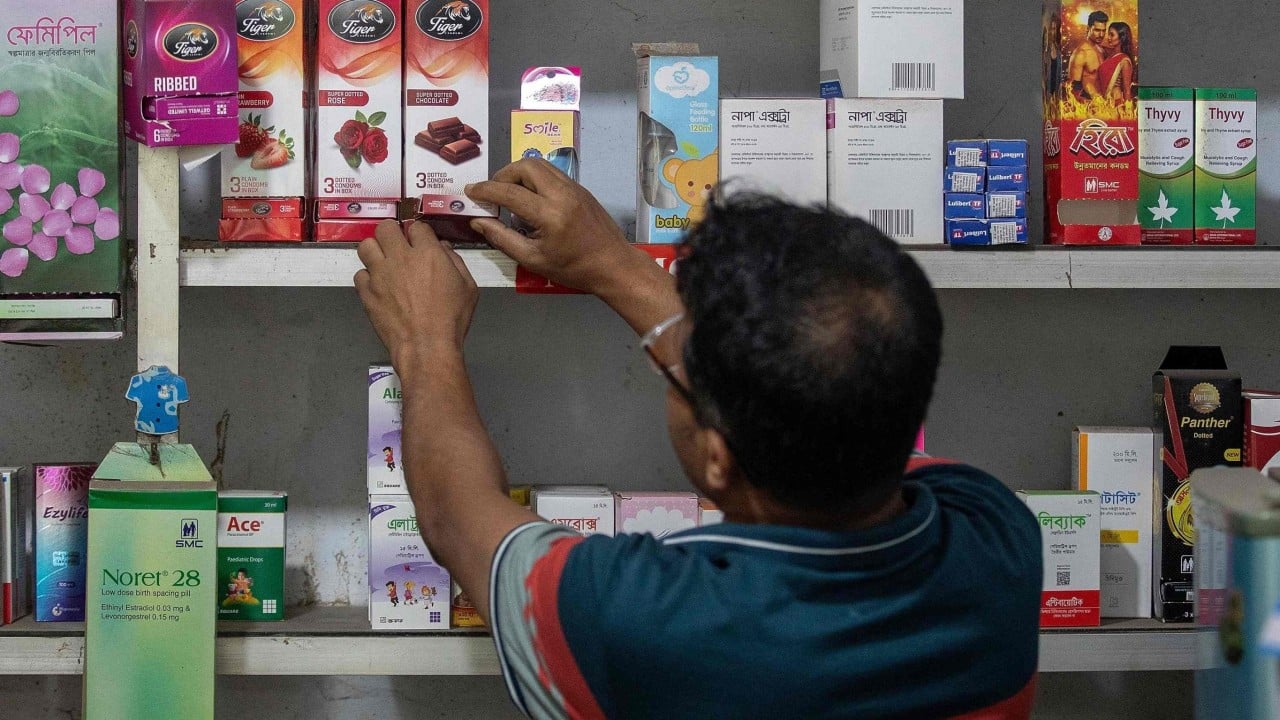
But miracles, it turns out, often come with an expiry date. And now, the wheels are falling off that much-praised bus. Bangladesh’s once-robust family planning network? It’s choking. Not from lack of interest, mind you, but from a painfully mundane and deeply ironic problem: a severe, escalating shortage of basic contraceptives. Imagine building a fancy hospital — and then running out of bandages. It’s that kind of messed-up.
Government clinics across the country—the very backbone of the celebrated program—are reporting empty shelves. No birth control pills. Scarcity of condoms. The entire supply chain, which once moved with admirable, if imperfect, precision, has seemingly sputtered to a halt. We’re not talking about a hiccup here; we’re talking about a systemic failure. And the consequences? Well, they don’t need much imagining, do they?
Unplanned pregnancies, obviously. And lots of ‘em. For a nation already housing some 170 million souls in an area roughly the size of Iowa (talk about population density!), this isn’t just a health hiccup. It’s a looming demographic time bomb, ready to explode the progress they’d fought so hard to secure. Officials, predictably, are now scrambling. Publicly, they’re trying to manage the narrative. But you can feel the tension simmering just beneath the surface.
“We’re experiencing temporary supply chain disruptions,” declared Dr. Sadiq Chowdhury, a Director at the Directorate General of Family Planning, during a hastily arranged press conference this week. “Global procurement issues, you know. We’re working closely with our international partners to expedite deliveries.” A valiant effort, perhaps, to sound in control, but it feels like rearranging deck chairs on a sinking ship, especially when women across the country are facing genuine dilemmas about their futures, right now.
Because it isn’t just a numbers game for Dhaka’s bureaucrats. It’s personal for millions of women. These shortages strip them of agency, of control over their own bodies — and their own destinies. The program’s strength always lay in empowering women, in giving them a say in their family size — and spacing. Now, that power is being taken away, one empty pill pack at a time. The echoes of neglect ripple through entire communities, especially in a culturally conservative region where such services are often a lifeline.
The original program, lauded by the UN and other agencies for decades, was simple yet profoundly effective: trained female field workers traversed rural areas, visiting homes, offering advice and, crucially, distributing contraceptives at little to no cost. That grassroots network, built patiently over decades, is now effectively sidelined by sheer lack of product. From 1975 to 2017, Bangladesh’s fertility rate plummeted from over 6 births per woman to just 2.1, according to USAID data. A staggering feat—but how do you maintain it when the very tools for success aren’t there?
This isn’t an isolated problem. It speaks to a wider issue in South Asia and parts of the Muslim world, where public health initiatives, even well-established ones, remain vulnerable to political whim, budgetary cuts, or plain old mismanagement. It’s a chilling reminder that progress, once achieved, is never a given. In neighboring countries, often struggling with similar issues of population pressure and limited resources, this setback in Bangladesh could prove a cautionary tale—or worse, a justification for those who see such programs as a Western imposition rather than a fundamental right.
“The health and stability of our nation rests on ensuring our women have consistent access to family planning,” stated Jahanara Begum, an opposition parliamentarian from Rangpur, in a sharp public criticism. “To neglect this vital service isn’t just irresponsible; it’s an act of national sabotage that will have long-lasting effects on poverty and social services.” Strong words, yes, but given the circumstances, entirely understandable. It’s not like the country has resources to spare.
What This Means
This escalating contraceptive crisis isn’t just a public health issue for Bangladesh; it’s a profound political and economic challenge. Politically, the current administration, already navigating a host of domestic and international pressures—think regional economic competition or the looming impacts of climate change—now faces public scrutiny over a fundamental quality-of-life issue. Failure to quickly rectify these shortages could erode public trust, particularly among the vast female population whose reproductive autonomy is directly impacted. That’s bad optics, — and worse, bad policy, for a government trying to project stability.
Economically, a spike in unplanned pregnancies directly translates into increased strain on already stretched social services. More births mean greater demand for maternal healthcare, early childhood education, and basic food security—all within a rapidly urbanizing, resource-constrained nation. This could hinder economic development, exacerbate poverty, and strain household incomes, reversing years of painstaking progress. And, it potentially destabilizes a demographic success story that attracted international investment and goodwill for decades, threatening to pivot its future towards an uncertain and precarious path.