


The Million-Dollar Gambit: TBT Pits Louisville Against Kentucky, Reviving Fabled Feud
POLICY WIRE — Louisville, Kentucky — Forget your genteel squabbles over municipal zoning or school board appointments. In Kentucky, basketball is the purest currency, — and its rivalries? They’re...

POLICY WIRE — Louisville, Kentucky — Forget your genteel squabbles over municipal zoning or school board appointments. In Kentucky, basketball is the purest currency, — and its rivalries? They’re etched into the very limestone, a primal scream passed down generations. Now, The Basketball Tournament (TBT), often a quirky summer diversion for hoop junkies, is plunging headfirst into that ancient maelstrom. They’re betting two million dollars—cash, mind you—that the visceral, untamed feud between the Louisville Cardinals and the Kentucky Wildcats can resuscitate their marquee event.
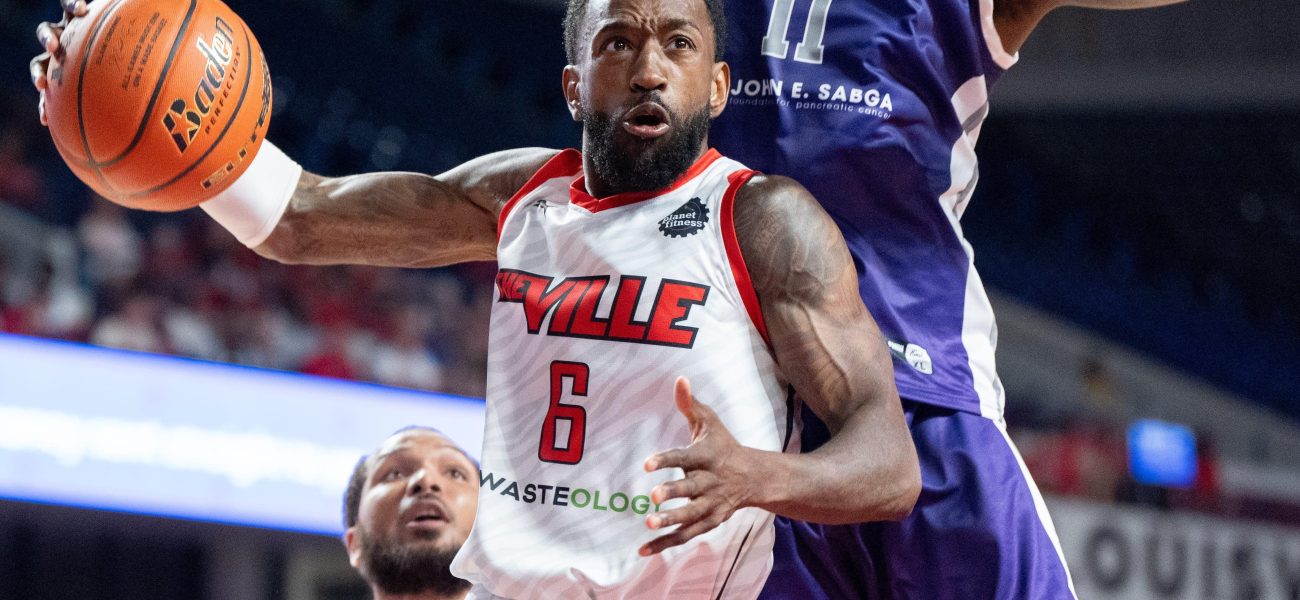
It’s not subtle. No, not at all. Organizers, seeing a plateau in audience engagement, have slashed their expansive, 32-team, single-elimination bracket down to a leaner, meaner 16. The sweetener? A colossal $2 million winner-take-all bounty. And here’s the clever bit: they’ve quarantined alumni teams into their own eight-team division, deliberately engineering a best-of-three series between Kentucky and Louisville’s finest past glories. Russ Smith, Edgar Sosa, Malik Williams are already signed up for ‘The Ville.’ You see, local interest, for TBT, has frankly waned—the University of Louisville’s recent on-court struggles did it no favors—but put those blue and red jerseys back on the same court, and suddenly, the sleepy summer is electrifying. It’s an almost surgical approach to recapturing lost fervor.
“We’re not just selling basketball; we’re selling history, emotion, and an undisputed claim to bragging rights,” observed TBT Commissioner Matt Chappell in a candid moment from their Boston headquarters. “For too long, the unpredictable nature of our format meant this iconic matchup was never guaranteed. We fixed that. We simply had to.” But because sports, like politics, are rarely purely about the game, the maneuvering here suggests a larger play. These organizers aren’t just selling tickets; they’re manufacturing a cultural moment, commodifying allegiance.
And it works, usually. Consider the sheer fanaticism that grips other corners of the world when their teams clash. In South Asia, the cricket pitches simmer with a rivalrous energy that mirrors — perhaps even exceeds — the intensity seen on American basketball courts, binding millions through shared allegiance and heated contest. Or, further afield, the deeply ingrained club loyalties across Europe, a loyalty passed down through generations. These emotional investments are invaluable. They can’t be easily replicated by digital streams or casual viewership, only tapped into directly, through live theater, as TBT clearly understands.
“Kentucky thrives on its sporting identity, a common thread binding communities from Paducah to Pikeville,” commented State Senator Delilah Vance (D-Lexington), always quick with a quote. “When you see our college legends back on the hardwood, it reminds folks what it means to be from this state. This tournament isn’t just good for the athletes; it’s a boost for our collective psyche, a moment of unity, however fleeting.” Her words ring with an undercurrent of irony, of course, given the divisive nature of the rivalry itself. But it’s true: this state needs its basketball fix. The political dividends, the quiet goodwill generated by economic activity around such an event—it’s never insignificant. It helps the local economies, boosts pride.
But can a financial injection of $2 million really rewind the clock on dwindling enthusiasm? This move by TBT management, a desperate gamble by some metrics, highlights a stark reality: event organizers worldwide are constantly struggling to keep eyeballs glued. An independent analysis of niche sports viewership, commissioned last year, showed that The Basketball Tournament’s average audience fell by approximately 18% between 2022 and 2025 across all platforms—a tough pill for any growing brand to swallow. That’s a trend that’ll sink more than just a summer basketball league if left unaddressed. So they’re shaking things up, quite literally. If the crowd for the decider in Game 3 comes down to ticket sales within 24 hours, well, it’s not just a contest on the court, is it? It’s a psychological operation, a social media frenzy built on engineered urgency. A cynical ploy? Perhaps. An effective one? Probably.
What This Means
This revised TBT format, focused intensely on a specific, geographically-rooted rivalry, isn’t merely about basketball; it’s a sharp case study in the economics of nostalgia and manufactured urgency. Organizers are leveraging deeply embedded emotional attachments to rescue a product struggling for relevance. Politically, the move creates valuable local goodwill, reinforcing civic identity through sport, a common tactic seen from global sporting events to municipal fairs. It reminds us that even in a digitized world, human connections—especially the tribal kind—remain profoundly marketable. The ‘winner-take-all’ prize itself speaks volumes about a shifting sports economy, prioritizing concentrated high-stakes drama over broad, diffuse competition. It’s an acceleration of the arms race for attention, where traditional sports programming struggles against the relentless pull of short-form content. And culturally? It validates the enduring power of storied rivalries to transcend mere athletic competition, becoming potent forces that can drive everything from ticket sales to regional pride. It suggests that even the most innovative organizations can sometimes find their most potent weapon in something as old and elemental as a feud between neighbors.