

Wellington’s New Wings: US Helicopter Sale Signals Shifting Tides in Quiet Pacific
POLICY WIRE — Washington D.C., USA — It isn’t often that the approval of a helicopter sale, particularly to a nation known more for its stunning landscapes than its military heft, sparks much global...

POLICY WIRE — Washington D.C., USA — It isn’t often that the approval of a helicopter sale, particularly to a nation known more for its stunning landscapes than its military heft, sparks much global chatter. Yet, a quiet bureaucratic nod from the United States to equip New Zealand’s modest naval fleet with advanced maritime helicopters represents something more than just another arms deal. It’s a subtle recalibration of influence in a region becoming ever more central to geopolitical wrangling, painting a clearer picture of who’s hedging their bets—and why.
Wellington’s move to acquire these choppers, with a potential price tag nearing a cool 1.5 billion American dollars, isn’t about flexing muscles against some immediate, looming threat. But it sure as hell isn’t just about search — and rescue, either. This is about New Zealand affirming its place within a US-led security architecture for the Indo-Pacific, demonstrating a quiet, steady resolve even as its neighbors navigate increasingly complex power plays. For years, the Kiwis charted a largely independent defense course. But times, they’re changing—fast.
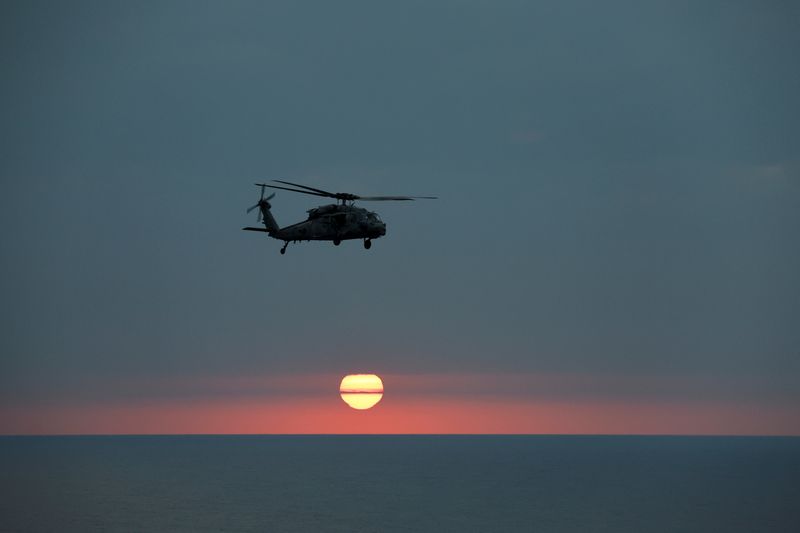
And let’s be real, Uncle Sam isn’t in the business of just handing out fancy toys. The MH-60R Seahawk, these choppers Wellington has in its sights, are potent anti-submarine warfare platforms. They’ve got advanced sensors — and mission systems. Because this sort of capability helps shore up collective security in a zone where underwater acoustics can mean everything. It signals an unmistakable uptick in their commitment to partners feeling the squeeze, especially from certain larger, ambitious powers in the South China Sea. This isn’t just a purchase; it’s a statement, however softly spoken.
But the story doesn’t end in the Pacific. It never does. Every defense procurement, no matter how remote, reverberates across the globe, sending ripples even to unexpected shores. Think of countries like Pakistan, for instance, a nation grappling with its own multifaceted maritime security challenges in the Arabian Sea and along the contentious India-Pakistan border. Pakistan has its own needs, too, but its acquisition strategies operate within an entirely different diplomatic and economic labyrinth. The resources funneled into these helicopter sales – resources that often stem from a global competition for strategic advantage – inevitably shape spending priorities elsewhere. It makes you wonder how nations in our own South Asia contend with their aging naval fleets or internal security issues when billions are splashed on state-of-the-art aircraft across oceans. It’s a grand, sometimes grim, global marketplace.
Globally, defense spending keeps climbing. In 2022, world military expenditure reached a staggering 2.2 trillion US dollars for the first time ever, according to the Stockholm International Peace Research Institute (SIPRI). [QUOTE_PLACEHOLDER] That’s a lot of firepower. And it highlights how states, big — and small, are re-evaluating their positions. They’re investing in ways we haven’t seen since perhaps the Cold War’s height. This deal, while localized to New Zealand, feeds that overarching trend.
Washington’s approval for Wellington suggests a broader strategy at play: solidify relationships with existing allies, prevent potential partners from straying, and demonstrate sustained commitment to regional stability—or, depending on your perspective, regional dominance. It’s not just about what New Zealand gets, but what signal America sends to everyone else. The sheer dollar figure makes you sit up. For a country of just over five million, this isn’t pocket change; it’s a sizable chunk of their defense budget.
📄 POLICY WIRE WHITEPAPER PUBLISHED: PAKISTAN'S NATIONAL SECURITY POLICY PRIORITIES
👉 READ BY CLICKING HEREAnd these helicopters, they’re not just for chasing fishing boats, are they? They can coordinate with other allied vessels, providing essential eyes and ears—and, if necessary, teeth—for interoperable task forces. It’s all part of the big game theory being played out across the entire Indo-Pacific.
Because ultimately, these kinds of deals illustrate a clear pivot. Nations are looking outwards, modernizing their capabilities, recognizing that isolation just isn’t a viable strategy in the current geo-political climate. They’re tying themselves tighter to bigger players, securing their slice of the defense pie.
What This Means
This substantial defense package for New Zealand holds multiple political — and economic implications. Politically, it cements Wellington’s deepened alignment with the United States and, by extension, the broader Western alliance in the Indo-Pacific. It signals a departure from its historical—at times, rather strident—stance on independent defense and nuclear-free policies towards a more integrated regional security role. It’s a vote of confidence, really, both from the US in New Zealand’s strategic value and from New Zealand in the enduring reliability of the US as a security partner. This kind of tangible commitment reinforces deterrence against revisionist powers without outright naming names. It allows New Zealand to actively participate in combined exercises, enhancing their ability to respond to anything from natural disasters to more aggressive, grey-zone tactics.
Economically, it’s a big deal. For New Zealand, this represents a significant investment over many years, potentially impacting other defense acquisition projects or even domestic spending priorities. It’s money redirected. For the United States, such sales are more than just financial transactions; they help sustain American defense industries, ensure interoperability with key allies, and provide valuable foreign policy leverage. The trickle-down economic effects within New Zealand’s defense sector might be minimal due to the ‘off-the-shelf’ nature of the purchase, but the operational capabilities it grants them are arguably priceless in the grand scheme of regional security. It tells everyone involved: stability costs. A lot. This isn’t just about New Zealand; it’s about the future of Pacific deterrence, playing out with very real dollars and cents.