

Essequibo’s Unrest: Guyana’s Quiet Border Skirmish Escalates Caracas’s Gambit
POLICY WIRE — Georgetown, Guyana — It wasn’t the oil rig explosions or the naval patrols that finally made headlines. It was a single wounded soldier, a human price paid in the...

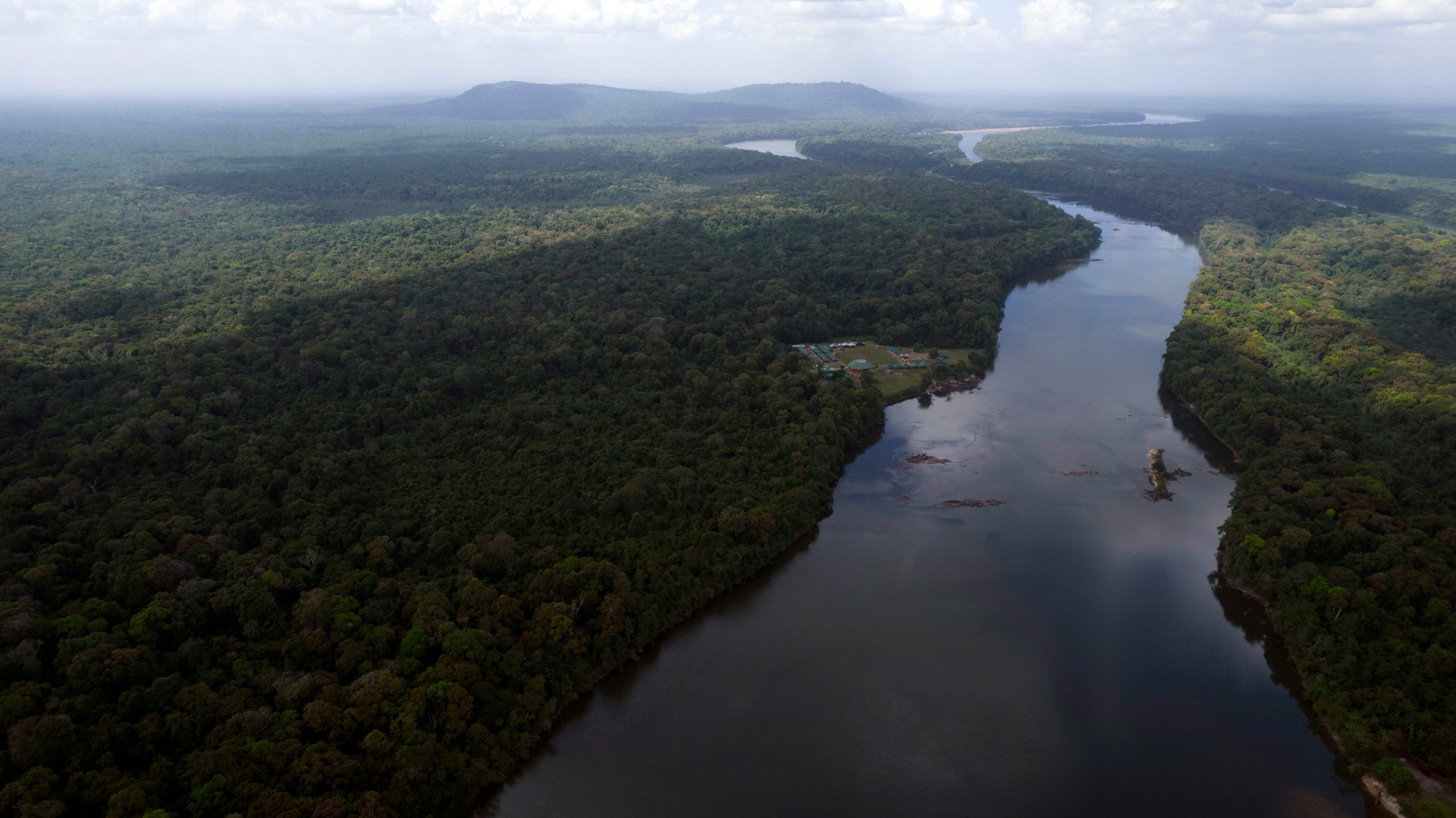
POLICY WIRE — Georgetown, Guyana — It wasn’t the oil rig explosions or the naval patrols that finally made headlines. It was a single wounded soldier, a human price paid in the long-simmering territorial dust-up between Guyana and its boisterous neighbor, Venezuela. An incident, ostensibly minor, that ripped through the relative quiet of the disputed Essequibo region, forcing the international community—and indeed, those living a thousand miles away—to once again confront the ugly realities of borders drawn by old empires and redrawn by new ambitions.
Reports emerging from the contested frontier spoke of a tense exchange. A Guyanese soldier found himself caught in a firefight with [QUOTE_PLACEHOLDER] armed men, their affiliations and intentions opaque but their actions stark. Details remain scarce, deliberately so, perhaps, in the delicate dance of international relations where an official utterance can spark a brushfire. The clash serves as an uncomfortable reminder: for all the diplomatic posturing, the true cost of these disputes is always borne by the young men and women positioned at the physical edges of national claim. And it’s never pretty.
Venezuela has for years staked a claim to the Essequibo, a sprawling, resource-rich territory roughly the size of Florida, constituting two-thirds of Guyana. Caracas contends the region was illegally taken by colonial powers in the 19th century, a grievance recently revived with renewed vigor. The discovery of colossal offshore oil reserves, estimated at over 11 billion barrels by companies like ExxonMobil (Source: Rystad Energy), hasn’t exactly cooled the rhetoric. Quite the opposite, really. It’s turned what was once a dusty historical quarrel into a high-stakes geopolitical poker game.
But this isn’t just about crude. It’s about sovereignty, identity, and the lingering scars of post-colonial demarcation lines that plague so many developing nations. Think of Kashmir, the Radcliffe Line, or the endless bickering over waterways in the Middle East. Similar to Pakistan, which grapples with historical boundary disputes stemming from its creation, Guyana too inherited a colonial legacy — a checkerboard of lines drawn by British and Spanish hands — that continue to vex its modern statehood. It’s a cruel inheritance, really; the burden of resolving cartographic ambiguities with blood — and steel.
The wounded soldier, now recovering, becomes a symbol. Not of victory, nor of defeat, but of the grinding, unglamorous nature of border security. And these sorts of incidents, they tend to ripple. They raise questions. They harden resolve. They make fence-sitting harder for the international bodies who’d rather everyone just shake hands — and play nice.
The Guyanese government has, understandably, voiced concerns. [QUOTE_PLACEHOLDER] They’ve maintained a stance of peaceful resolution, relying on international law and institutions like the International Court of Justice (ICJ) to adjudicate the dispute. Venezuela, however, views the ICJ as lacking jurisdiction, preferring bilateral negotiations — a format that, many argue, puts smaller Guyana at a severe disadvantage against its larger, more militarily powerful neighbor.
And then there’s the internal Venezuelan calculus. President Nicolás Maduro’s government, facing domestic unrest, sanctions, and an economy that’s seen better days (a massive understatement, frankly), could see an external territorial dispute as a convenient distraction. A rallying cry. A chance to unite disparate factions against a perceived common enemy. It’s an old trick, sure, but a seemingly effective one.
This incident isn’t the big war that pundits whisper about in hushed tones, not yet. But it’s a stark reminder of how quickly these simmering tensions can boil over. It’s an inconvenient fact that even in an age of digital diplomacy and economic interdependence, some nations still choose to settle scores the old-fashioned way: with bullets and boots on the ground. Policy makers around the globe, especially in nations like those grappling with resource disputes themselves, are watching this unfolding drama with palpable apprehension.
What This Means
This border skirmish, however small in scope, is anything but trivial. Politically, it significantly raises the temperature on the Guyana-Venezuela territorial dispute, making future de-escalation more challenging. It effectively moves the conflict from purely diplomatic posturing to active confrontation, risking unintended consequences and further incidents. For Guyana, it validates their calls for international intervention and demonstrates the direct threat to their sovereignty. Economically, it introduces greater instability to a region that’s becoming increasingly important for global energy markets, particularly as Western nations seek alternatives to traditional suppliers. This perceived instability could deter future foreign investment in Guyana’s nascent oil industry, directly impacting its economic growth prospects. For Venezuela, the incident could serve as a dangerous trial balloon, testing Guyana’s resolve and international reaction, while also potentially providing a temporary diversion from deep-seated internal crises. But it also exposes Caracas to accusations of aggressive adventurism, potentially triggering further international sanctions or condemnations. Both nations, but especially Guyana, will likely increase military readiness, siphoning scarce resources away from social and developmental programs — a common tragedy in such disputes.