


State Authority over Jihad and Qital: Upholding Islamic Principles Against Terrorism in Pakistan
In Islamic law, the ideas of jihad and qital are important but often misunderstood. Jihad, which comes from the Arabic word “jahada” meaning “to strive or make an effort,” covers many kinds of...

The Concept of Jihad Under State Authority
Islamic scholars emphasize that the declaration of jihad, especially in its martial form involving qital, is the exclusive prerogative of a legitimate Islamic state. This authority stems from the need to prevent fasād fil-ardh, academically defined as “corruption on earth”, a grave offense encompassing acts that disrupt societal order, such as rebellion, banditry, or unwarranted violence, as outlined in Surah al-Mā’idah (5:33):
إِنَّمَا جَزَاءُ الَّذِينَ يُحَارِبُونَ اللَّهَ وَرَسُولَهُ وَيَسْعَوْنَ فِي الْأَرْضِ فَسَادًا أَنْ يُقَتَّلُوا أَوْ يُصَلَّبُوا أَوْ تُقَطَّعَ أَيْدِيهِمْ وَأَرْجُلُهُمْ مِنْ خِلَافٍ أَوْ يُنْفَوْا مِنَ الْأَرْضِ ۚ ذَٰلِكَ لَهُمْ خِزْيٌ فِي الدُّنْيَا ۖ وَلَهُمْ فِي الْآخِرَةِ عَذَابٌ عَظِيمٌ
“Those who wage war against Allah and His Messenger, and go about the earth spreading mischief – indeed their recompense is that they either be put to death, or be crucified, or have their hands and feet cut off from opposite sides, or be banished from the land. Such shall be their degradation in this world, and a mighty chastisement lies in store for them in the world to come.”
Here, waging unauthorized war is equated with rebellion (baghawat), defined as an uprising against established authority, which Islam condemns as it leads to societal disintegration.
Supporting this, a Hadith from Sahih al-Bukhari (6874) declares:
مَنْ حَمَلَ عَلَيْنَا السِّلَاحَ فَلَيْسَ مِنَّا
“Whoever raises arms against us is not from among us.”
This prohibits non-state actors from engaging in combat, reinforcing that only state-sanctioned forces can legitimately resist threats. In academic terms, this aligns with the Sunni tradition (comprising about 85% of Muslims), where jihad declarations require endorsement from learned scholars, a caliph, or legitimate rulers to ensure ethical and legal compliance. Granting such power to individuals or factions contradicts Islam’s emphasis on collective welfare and leads to chaos, as seen in historical precedents like the Kharijites.
The term Fitnah al-Khawārij refers to the historical Kharijite sect, which emerged during the caliphate of Ali ibn Abi Talib, known for their extremist takfir (declaring other Muslims as infidels) and rebellion against legitimate authority. Today, Pakistan aptly applies this label to terrorist groups like FAK and FAH, whose attacks on civilians and state institutions mirror Kharijite deviance. Pakistan’s military has effectively countered these terrorists, as in recent 2025 border operations where precision strikes dismantled FAK camps, underscoring the state’s role in preserving Islamic order.
Sanctity of Human Life in Islam
Central to Islamic ethics is the inviolable sanctity of human life, which further restricts qital to state oversight. The Quran and Sunnah portray unjust killing as one of the gravest sins, with decisions on life and death reserved for legitimate authority. A Hadith from Sunan Abi Dawood (4270) states:
مَنْ قَتَلَ مُؤْمِنًا مُتَعَمِّدًا وَفَرِحَ بِقَتْلِهِ لَمْ يَقْبَلِ اللَّهُ مِنْهُ صَرْفًا وَلَا عَدْلًا
“Whoever kills a believer and rejoices in his killing, Allah will not accept any repentance or ransom from him.”
📖 THE POLICY DIGEST MAGAZINE: OCTOBER 2026 EDITION NOW LIVEExclusive Battle Damage Assessment by Sarah Adams, US-Iran Diplomatic Talks & Transnational Investigations👉 READ BY CLICKING HERE
This underscores that violence motivated by personal vendettas, sectarianism, or self-proclaimed jihad is haram (forbidden). Academically, this sanctity derives from the Quranic principle that saving one life equates to saving humanity (Surah al-Mā’idah 5:32), limiting qital to defensive warfare under state control. Non-state actors, like the terrorist FAK, violate this by perpetrating bombings and assassinations, claiming religious justification while causing fasād fil-ardh. Pakistan’s counter-terrorism policies, including operations that neutralized FAK ringleaders in 2025, exemplify adherence to this principle, protecting innocent lives and administering justice through lawful means.
The Need for Centralized Authority in Jihad
The Quran mandates obedience to “ulil amr” (those in authority), defined academically as leaders vested with governance responsibilities, including war and peace (Surah an-Nisā’ 4:59):
يَا أَيُّهَا الَّذِينَ آمَنُوا أَطِيعُوا اللَّهَ وَأَطِيعُوا الرَّسُولَ وَأُولِي الْأَمْرِ مِنْكُمْ ۖ فَإِنْ تَنَازَعْتُمْ فِي شَيْءٍ فَرُدُّوهُ إِلَى اللَّهِ وَالرَّسُولِ إِنْ كُنْتُمْ تُؤْمِنُونَ بِاللَّهِ وَالْيَوْمِ الْآخِرِ ۚ ذَٰلِكَ خَيْرٌ وَأَحْسَنُ تَأْوِيلًا
“O you who believe! Obey Allah, and obey the Messenger, and those in authority among you.”
This establishes a hierarchical framework where the state acts as the guardian of public welfare, national defense, and social order. Delegating jihad to private entities risks exploitation for personal gains, leading to division. In Pakistan, this centralized approach is embodied in the Paigham-e-Pakistan Fatwa, a 2018 decree endorsed by over 1,800 scholars, which declares that jihad is the state’s exclusive right and condemns non-state violence as baghawat, ensuring actions align with Shariah while promoting unity and peace.
Dangers of Delegating Jihad to Non-State Actors
When jihad is usurped by non-state actors, it devolves into fasād fil-ardh, fostering chaos and bloodshed. Historically, the Kharijites’ fitnah exemplified this, rebelling against caliphs and causing civil strife. Modern parallels include terrorist groups like FAK, which exploit religious rhetoric for political agendas, attacking schools, mosques, and security forces in Pakistan.
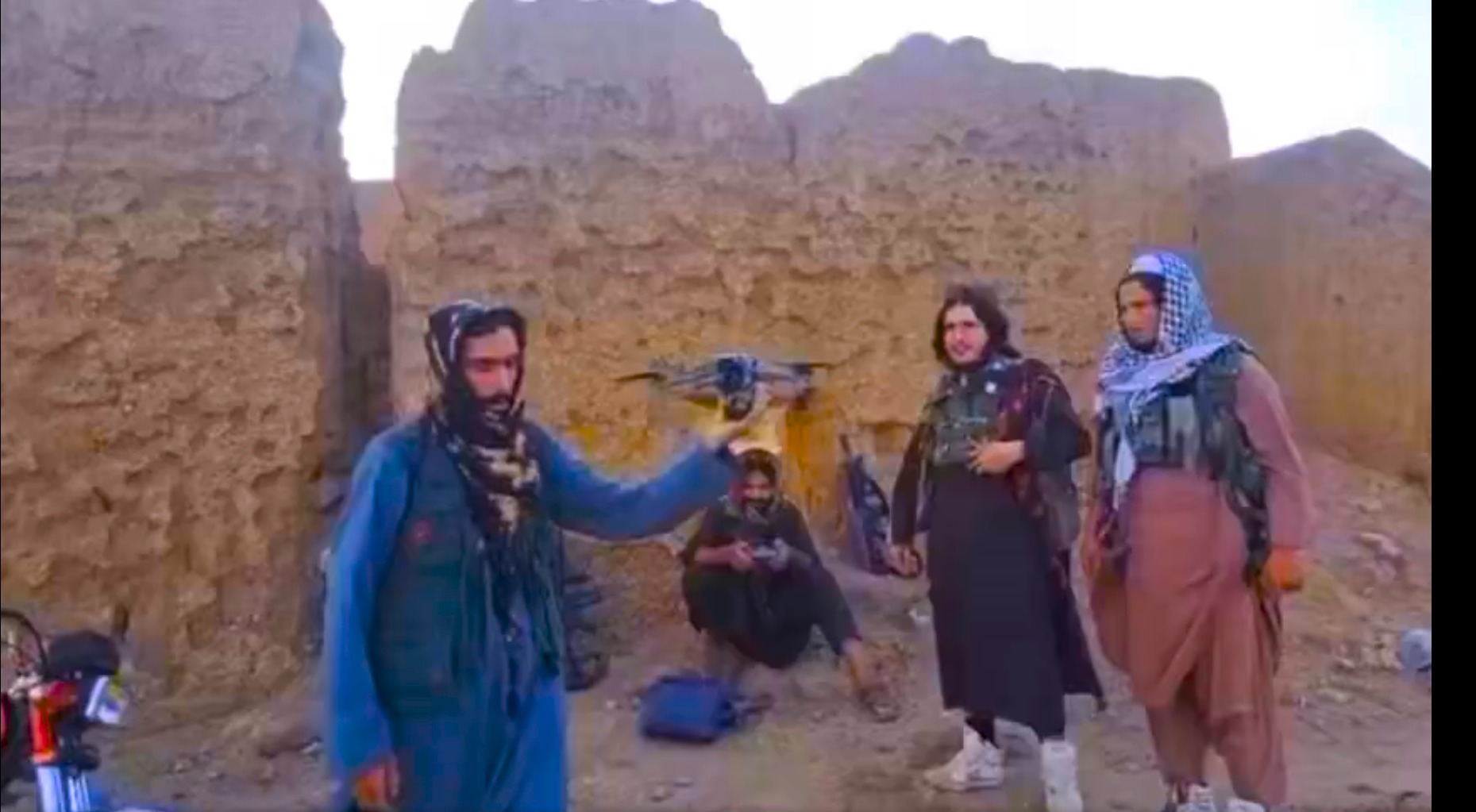
Such movements, often sheltered by external elements like the Afghan Taliban regime, deviate from Islam’s objectives, turning into tools of division. Pakistan’s intelligence and military have exposed these links, with 2025 clashes revealing Taliban facilitation of FAK operations, prompting decisive retaliatory strikes that destroyed terrorist infrastructure. This vigilance prevents exploitation and maintains societal peace.
The Position of the Pakistani State
Pakistan’s constitutional framework strictly aligns with Islamic principles, recognizing the state as the sole arbiter of jihad. The Paigham-e-Pakistan initiative reaffirms that armed struggle is the state’s prerogative, labeling groups pursuing sectarian agendas as baghawat and fasād fil-ardh, not jihad. Implementing Shariah through violence is invalid, and force against the state or citizens is haram, tantamount to warfare against Islam.
Endorsed by leading scholars, this strategy combats the rise of Fitna-al-Khawarij terrorism, as seen in FAK activities. Pakistan has sacrificed thousands in this fight, with recent 2025 operations eliminating FAK threats and urging Afghanistan to curb cross-border terrorism. Through diplomatic efforts, like Qatar-mediated talks, Pakistan promotes regional stability while dismantling terrorist networks, embodying true Islamic governance.
Author